
Sleep, or the Lack Thereof

“I love sleep. My life has the tendency to fall apart when I’m awake, you know?”

– Ernest Hemingway

Sleep is perhaps one of the most important fundamentals in a person’s life. The Sleep Foundation describes sleep as an “essential function”, one that allows “your body and mind to recharge, leaving you refreshed and alert when you wake up.”

It’s extremely important that most adults get seven to nine hours of sleep a night. A lack of sleep is linked to a higher risk for obesity, type 2 diabetes, high blood pressure, heart disease, stroke, early death, and poor mental health.

According to the Mental Health Foundation, there are a variety of reasons you may not be getting the sleep you need, including:

  • Stress or worry
  • A change in the noise level or temperature of your bedroom
  • A different routine
  • Too much caffeine or alcohol
  • Shift work
  • Physical or mental health problems
  • Side effects of certain medications

There are several types of sleep disorders, but the most prevalent is insomnia. According to the American Academy of Sleep Medicine, insomnia is defined as the “difficulty either falling or staying asleep that is accompanied by daytime impairments related to those sleep troubles.” Research from the Mayo Clinic suggests 30% of all adults will experience short-term insomnia and 10% of adults will experience long-term insomnia.

Insomnia symptoms may include:

  • Difficulty falling asleep at night
  • Waking up during falling asleep at night’s sleep
  • Waking up too early
  • Not feeling well-rested after a night’s sleep
  • Daytime tiredness or sleepiness
  • Irritability, depression or anxiety
  • Difficulty paying attention, focusing on tasks or remembering
  • Increased errors or accidents
  • Ongoing worries about sleep

Insomnia is not uncommon. In fact, it’s the most common sleep disorder, and one that can be very dangerous.

That’s never stopped me, though. Of course, I shouldn’t be proud of that, and I’m not. But I do suffer from serious insomnia.

I suffer from chronic insomnia (which recently has come in handy with the birth of my youngest son). Being bipolar doesn’t help the matter any. When manic, I’ve stayed up for days without “needing” to rest. That’s not an everyday occurrence, thankfully, but it’s happened enough for me to be used to it.

To the lucky 75% of those who recover from their insomnia, I applaud you and wonder, “what’s your secret?”

I’ve been on all the meds: Ambien. Sonata. Belsomra. Trazadone. Restoril. Lunesta. I’ve stuck with Lunesta because it works some of the time. It’s hit or miss, which at this point is all I can hope for.

Insomnia is usually caused by bad sleep habits, depression, anxiety, and chronic illness. It can even be caused by certain medications.

According to the Mayo Clinic, there are ways to fight insomnia, including:

  • Stick to a schedule: Keep your bedtime and wake time consistent from day to day, including on weekends.
  • Stay active: Regular activity helps promote a good night’s sleep. Schedule exercise at least a few hours before bedtime and avoid stimulating activities before bedtime.
  • Check your medications: If you take medications regularly, check with your doctor to see if they may be contributing to your insomnia. Also check the labels of OTC products to see if they contain caffeine or other stimulants, such as pseudoephedrine.
  • Avoid or limit naps: Naps can make it harder to fall asleep at night. If you can’t get by without one, try to limit a nap to no more than 30 minutes and don’t nap after 3 p.m.
  • Avoid or limit caffeine and alcohol/Don’t use nicotine: All of these can make it harder to sleep, and effects can last for several hours.
  • Don’t put up with pain: If a painful condition bothers you, talk to your doctor about options for pain relievers that are effective enough to control pain while you’re sleeping.
  • Avoid large meals and beverages before bed: A light snack is fine and may help avoid heartburn. Drink less liquid before bedtime so that you won’t have to urinate as often.

Suffering from a mental illness can make falling asleep no easy task. It is usually easier said than done for me since other factors play a role. I’ve always had trouble sleeping. I struggle with falling asleep, not staying asleep. If I can get there, I’m there. It’s the getting to sleep that so often eludes me.

No matter, insomnia and other sleep disorders can be extremely damaging, especially to those with a mental health disorder. Mental health disorders tend to make it harder to sleep well, in general.

Disorders Affected by Lack of Sleep:

  • Depression
  • Seasonal Affective Disorder
  • Anxiety Disorders
  • Bipolar Disorder
  • Schizophrenia
  • ADHD
  • Autism Spectrum Disorder

There is research to suggest that “brain activity during sleep has profound effects on emotional and mental health.” A 2021 study also suggests that issues with insomnia are “associated with significantly increased odds of frequent mental distress.”

Overall, sleep helps maintain cognitive abilities, including learning, memory, and emotional regulation. This is especially important to note to those who suffer from any kind of mental illness or psychiatric condition.

So, I guess that poet was wrong: Sleep isn’t just for dreamers.

No Complaints

“Once you’re labeled, you can be treated. On other occasions, labeling leads to tyranny, like with childhood bipolar disorder in the U.S.”

– Jan Ronson

I chose the quote above because I feel it shows both the good and bad of the madness that is bipolar disorder. It’s true: once you receive your “label” you can begin a treatment plan. At the same time, however, once you get that “mental illness” label it never goes away. At least not completely, anyway.

I’m in a space (for the moment) where nothing seems to be able shake me. I’m not manic or depressed, but I felt an overwhelming sense of clarity and peace the other day that was, for me at least, an eye-opening and humbling experience. I haven’t looked back since.

I’m nihilistic by nature and a natural cynic at heart, so that has definitely played a role in my perspective and attitudes toward these types of “things”. Coping skills…well, even if they don’t work there’s no reason not to commit to something that could possibly be extremely beneficial.

I mentioned my cynicism, which is usually interpreted as pessimism by those closest to me. However, I’ve been able to turn that perspective around and use the change to my advantage. No, not all is perfect, but it’s an interesting and unexpected change and for once I’m not being the “negative” person bringing everyone else down.

Hope. Hope is an amazing feeling (I’ve never said anything remotely like that before in all of my life). To have hope is a great benefit, especially in your darkest hour.

So, I have no complaints, and I guess I’m better off for the wear. Like I said, if this new “attitude” isn’t as life-changing as I hoped, the commitment to a healthy routine can only be a good thing.

I shall keep all of you posted. And hopefully seeing a change in my perspective may be helpful to someone else.

I’ll take it.

Food for Thought: Blogging and its Impact on the Brain

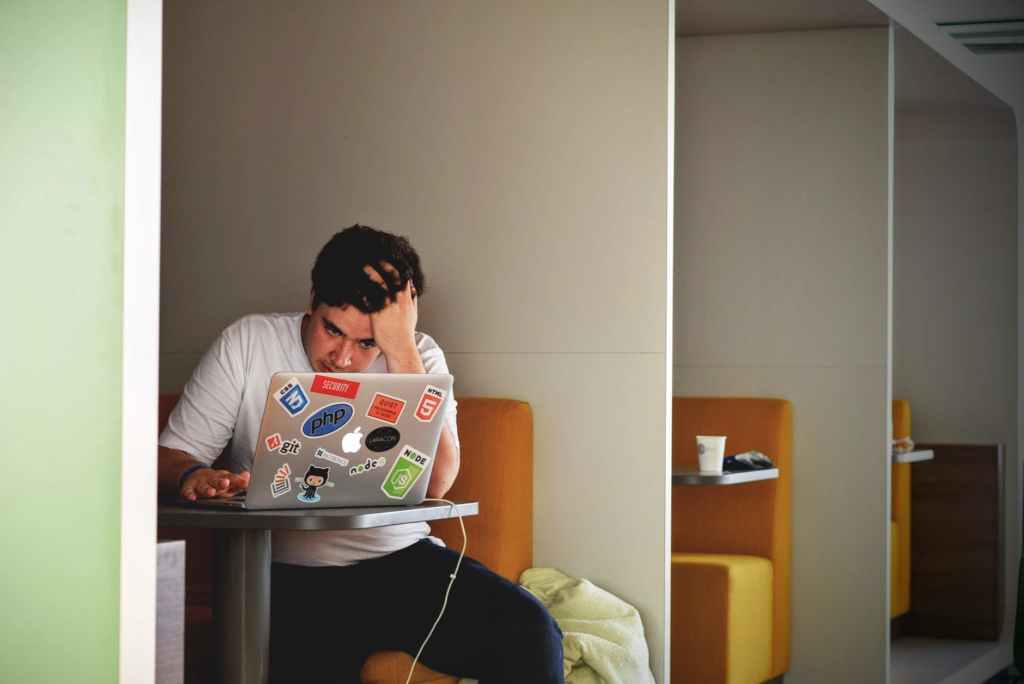
photo of man using laptop

“Beauty you’re born with, but brains you earn.”

– Jay Kristoff

If the mind is truly like a muscle, then blogging must be the last leg of a 10-mile race. That might seem like hyperbole, but it’s actually based in some reality.

The health benefits of writing have been known for decades, but only in recent years have the specific impact of blogging been analyzed. For example, research suggests that writing in a more anonymous format, such as blogging, helps one reframe their relationship with their mental health. On the same note, however, blogging can be beneficial in the amount of self-worth it can provide by offering a public element to one’s writing. It seems convenient, but it makes perfect sense.

As bloggers, you already know how empowering writing can be and is. For us, it’s the writing that provides that essential sense of purpose.

There is also research to suggest that this type of “communal communication” has its own benefits, such as lowering anxiety by offering a constructive way to process thoughts.

I started to think about blogging last night and how I have personally been affected by both producing and consuming content. When you’re blogging, you have to give a little bit of yourself away with each post. It’s totally necessary but can still be exhausting. One can get a lot of shade thrown their way just for being open and transparent.

Yes, there are certain downsides to blogging. With social media being such a prevalent part of our collective existence, there will always be haters with their own negativity.

So, like with anything, there are pros and cons to blogging. As writers and creators and truth-tellers, we just have to decide if the good outweighs the bad.

I already know it does for me.

Bipolar Disorder in the Workplace

“If you’re going through hell, keep going.”

– Winston Churchill

I would say I can’t be the only one with bipolar disorder who knows how well this disorder operates under the pressures of a job and in the workplace, but I already know that I’m not; it’s a topic that is often used when writing about bipolar disorder. It may seem like a tired beat, and I certainly do not have anything new to add to the conversation. My experiences are not uncommon or unique. They are just mine. But I’m assuming you already know that if you’re here reading this.

It’s easier said than done, but the words in the above quote are definitely words to live by if you suffer from the madness that is bipolar disorder. I feel this ideology is especially important to keep in mind when bipolar and on the job.

It’s not like you have a choice and it can’t be described as laziness, but on a baseline level that’s how it’s interpreted. What’s not misinterpreted, however, is when the “typical” or “normal” person needs a mental health day and it’s okay, but when a person with a mental illness needs one…well, you know.

If I sound bitter, maybe I am. All in all, though, I can’t totally blame the illness for some of my past excursions in the work force. I have to take some responsibility. That makes it hard, too: to not be able to control the decision-making process yet feel bad for how that lack of control comes across and affects those around you.

It’s especially difficult in the workplace. When it’s fine, it’s fine. But when it’s not, it can feel like the whole world is closing in on you.

Let me give you an example.

I have a degree in journalism and worked in the field for several years. I was a digital content producer for a television news station at one point. Not my dream job, but you have to start somewhere, right?

I signed a two-year contract with the station and worked diligently and on task for nearly that whole two-year period. Until two weeks before my contract was up when I told my boss I didn’t want to renew. Impulsive? Yeah, sure. But it gets better.

One week before my contract was up, I just stopped showing up. I just quit going in. I turned off the cellphone the station had provided and just cut all ties with all of my co-workers. And that was that. Five years later, I still haven’t sent that phone back.

But that’s the way it goes with me. I’m good for about two years and then I seem to sabotage myself, either because of a level of intense, paranoid anxiety, or just because of an unexpected loss of interest.

According to one survey, more than 88% of people with bipolar disorder say their condition has affected their work performance. About 58% of those people quit working outside the home altogether. This is due in part to the extreme shifts in mood, sleep, energy, and overall ability to function.

THINGS TO KEEP IN MIND WHEN LOOKING FOR A JOB:

  • interests
  • strengths and abilities
  • skills
  • personality traits
  • values
  • physical health
  • limits, triggers, and barriers

According to statistics, the absentee rate for employees with bipolar disorder is 18.9 workdays per year, while those without the disorder miss on average 7.4 workdays.

Stats are always daunting when it comes to mental illness, but they speak for themselves. I never wanted to be a statistic, even though I know, in many ways, I very much am. I don’t think I would be sitting here writing this right now if I wasn’t.

Like I said, however, my experiences in the workplace are not uncommon or unique. The fluctuation between sheer productivity and total incompetence (for lack of a better word) can be devastating in their extremes. So, one day you could be on top of your game and the next you may be on the chopping block.

It’s not all bad, though. I have been working since I was 16 and I’ve had more positive experiences on the job than not. Out of my 16 years of work history, I’d say 95% of it has been positive and productive. It’s that other 5% that’s the killer, though.

On a more positive note, there are some studies that suggest working can be very beneficial to people with bipolar disorder, offering a sense of structure and increased confidence.

It’s not easy to find and keep work with a mental illness that aggravates your day-to-day ability to function. However, with a little extra work it is possible to find a satisfying, yet manageable job.