My Week-Long Hiatus

“Stress acts as an accelerator: it will push you either forward or backward, but you choose which direction.”

– Chelsea Eriaue

It has been one of “those weeks” to be sure. No, nothing genuinely terrible has occurred. It’s just been one of “those weeks” in the sense that when that phrase is used, all can be sure what is truly meant.

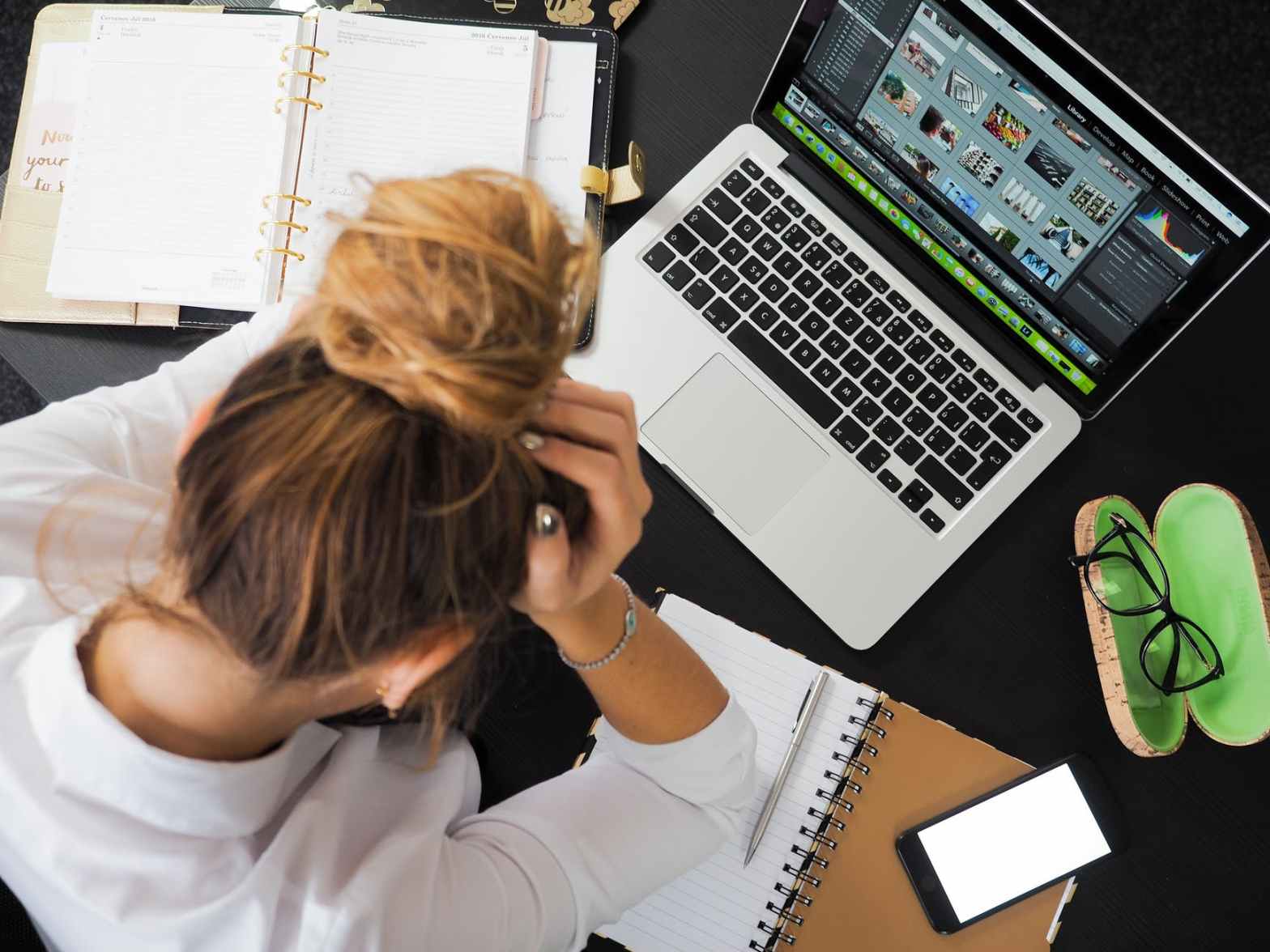
For me, the main thing was a classic case of “biting off more than I could chew”, an ailment that I’m too often afflicted with. I spent several days writing several freelance pieces that I had put off until the last minute, ultimately resulting in an intense, unnecessary level of stress that I’m surprised didn’t end up with me losing my hair.

I work best under pressure, I feel, but this was a little too heavy of a workload on top of everything going on. To purposefully put myself in that type of predicament, on top of kids and real life

Anyway, after finally completing my deadly deadline, I spent two days push mowing three acres of land. What started as a pet project quickly turned into a work overload. The yard had to be mowed, though, and I won’t let anyone else do it. It’s just how I was raised.

There’s not much to this post except to let everyone know I plan to stick to the main schedule I initially intended. When I missed Sunday and Monday, I didn’t want to change days just because of “personal strife”. It’s Thursday now, and I’m providing nothing of substantial value except that. I intend to do better by prioritizing and learning from my most recent lesson.

Whoever said “work smarter, not harder” sure knew what the hell they were talking about.

Sleep, or the Lack Thereof

“I love sleep. My life has the tendency to fall apart when I’m awake, you know?”

– Ernest Hemingway

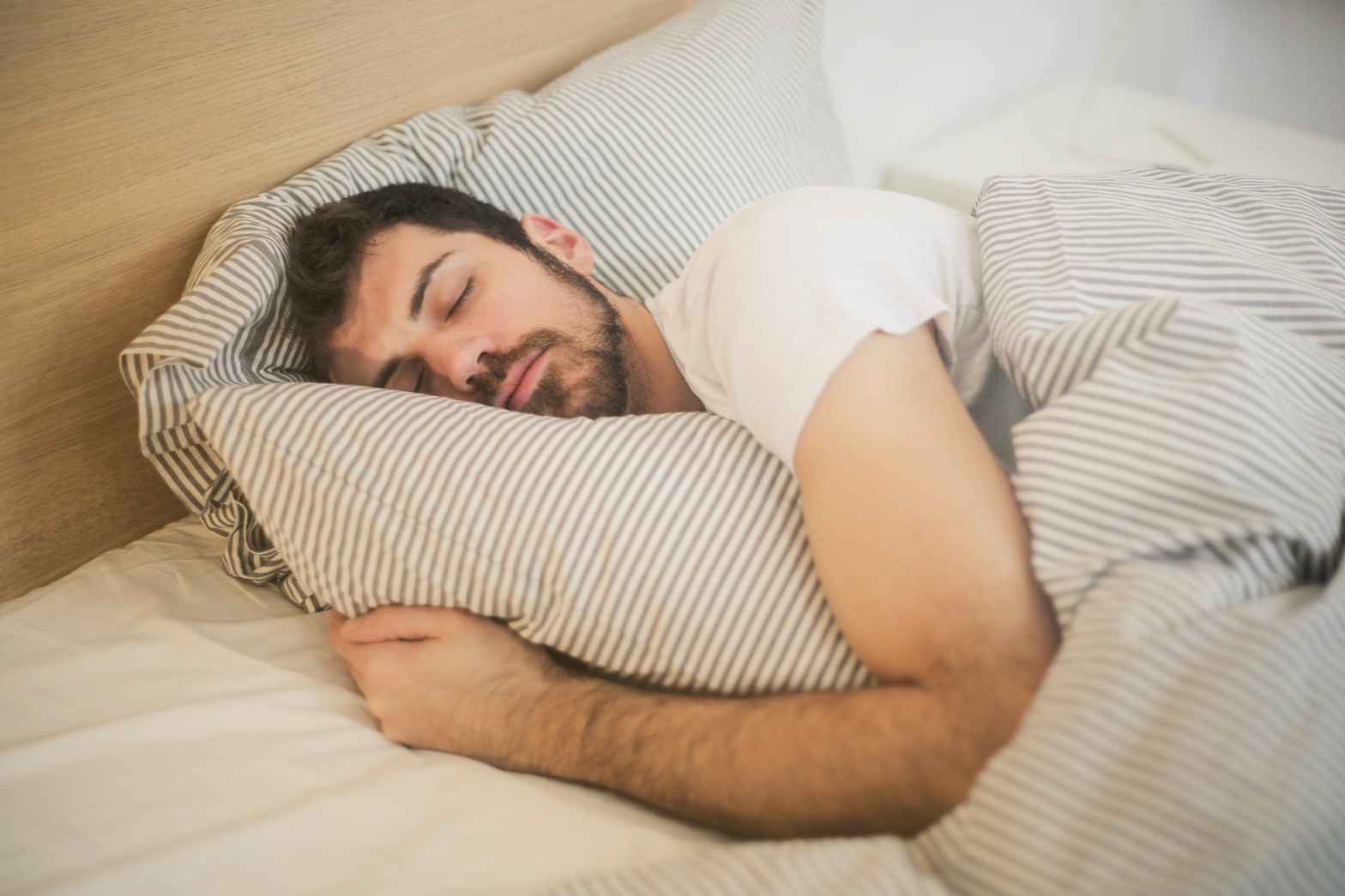
Sleep is perhaps one of the most important fundamentals in a person’s life. The Sleep Foundation describes sleep as an “essential function”, one that allows “your body and mind to recharge, leaving you refreshed and alert when you wake up.”

It’s extremely important that most adults get seven to nine hours of sleep a night. A lack of sleep is linked to a higher risk for obesity, type 2 diabetes, high blood pressure, heart disease, stroke, early death, and poor mental health.

According to the Mental Health Foundation, there are a variety of reasons you may not be getting the sleep you need, including:

  • Stress or worry
  • A change in the noise level or temperature of your bedroom
  • A different routine
  • Too much caffeine or alcohol
  • Shift work
  • Physical or mental health problems
  • Side effects of certain medications

There are several types of sleep disorders, but the most prevalent is insomnia. According to the American Academy of Sleep Medicine, insomnia is defined as the “difficulty either falling or staying asleep that is accompanied by daytime impairments related to those sleep troubles.” Research from the Mayo Clinic suggests 30% of all adults will experience short-term insomnia and 10% of adults will experience long-term insomnia.

Insomnia symptoms may include:

  • Difficulty falling asleep at night
  • Waking up during falling asleep at night’s sleep
  • Waking up too early
  • Not feeling well-rested after a night’s sleep
  • Daytime tiredness or sleepiness
  • Irritability, depression or anxiety
  • Difficulty paying attention, focusing on tasks or remembering
  • Increased errors or accidents
  • Ongoing worries about sleep

Insomnia is not uncommon. In fact, it’s the most common sleep disorder, and one that can be very dangerous.

That’s never stopped me, though. Of course, I shouldn’t be proud of that, and I’m not. But I do suffer from serious insomnia.

I suffer from chronic insomnia (which recently has come in handy with the birth of my youngest son). Being bipolar doesn’t help the matter any. When manic, I’ve stayed up for days without “needing” to rest. That’s not an everyday occurrence, thankfully, but it’s happened enough for me to be used to it.

To the lucky 75% of those who recover from their insomnia, I applaud you and wonder, “what’s your secret?”

I’ve been on all the meds: Ambien. Sonata. Belsomra. Trazadone. Restoril. Lunesta. I’ve stuck with Lunesta because it works some of the time. It’s hit or miss, which at this point is all I can hope for.

Insomnia is usually caused by bad sleep habits, depression, anxiety, and chronic illness. It can even be caused by certain medications.

According to the Mayo Clinic, there are ways to fight insomnia, including:

  • Stick to a schedule: Keep your bedtime and wake time consistent from day to day, including on weekends.
  • Stay active: Regular activity helps promote a good night’s sleep. Schedule exercise at least a few hours before bedtime and avoid stimulating activities before bedtime.
  • Check your medications: If you take medications regularly, check with your doctor to see if they may be contributing to your insomnia. Also check the labels of OTC products to see if they contain caffeine or other stimulants, such as pseudoephedrine.
  • Avoid or limit naps: Naps can make it harder to fall asleep at night. If you can’t get by without one, try to limit a nap to no more than 30 minutes and don’t nap after 3 p.m.
  • Avoid or limit caffeine and alcohol/Don’t use nicotine: All of these can make it harder to sleep, and effects can last for several hours.
  • Don’t put up with pain: If a painful condition bothers you, talk to your doctor about options for pain relievers that are effective enough to control pain while you’re sleeping.
  • Avoid large meals and beverages before bed: A light snack is fine and may help avoid heartburn. Drink less liquid before bedtime so that you won’t have to urinate as often.

Suffering from a mental illness can make falling asleep no easy task. It is usually easier said than done for me since other factors play a role. I’ve always had trouble sleeping. I struggle with falling asleep, not staying asleep. If I can get there, I’m there. It’s the getting to sleep that so often eludes me.

No matter, insomnia and other sleep disorders can be extremely damaging, especially to those with a mental health disorder. Mental health disorders tend to make it harder to sleep well, in general.

Disorders Affected by Lack of Sleep:

  • Depression
  • Seasonal Affective Disorder
  • Anxiety Disorders
  • Bipolar Disorder
  • Schizophrenia
  • ADHD
  • Autism Spectrum Disorder

There is research to suggest that “brain activity during sleep has profound effects on emotional and mental health.” A 2021 study also suggests that issues with insomnia are “associated with significantly increased odds of frequent mental distress.”

Overall, sleep helps maintain cognitive abilities, including learning, memory, and emotional regulation. This is especially important to note to those who suffer from any kind of mental illness or psychiatric condition.

So, I guess that poet was wrong: Sleep isn’t just for dreamers.
So Far, So Good

“You are not your illness. You have an individual story to tell. You have a name, a history, a personality. Staying yourself is part of the battle.”

– Julian Seifter

So far, so good.

Still sticking to a pretty self-care-oriented lifestyle. I haven’t been in the trenches of this new battle too terribly long, so fingers remain crossed.

Routine is key, and after a healthy breakfast, my day kicked off with a walk around the city park – my hometown’s only claim to fame (one of the seven Lincoln-Douglas debates took place there – kind of cool actually). The park is near the town square, but still as far away as ever too, tucked in all snug behind a thick tree line that leads to a forest of a park.

I walked the winding, manmade trails over tree roots and animal tracks. I had forgotten how many laps a mile was so I just decided to forget to keep track of how many laps I walked.

I walked down to the pond where the local ducks were congregating. Many people come out with loaves of bread just to feed the, at more often than not, large group of ducks. On this particular day I had no bread, but then again, the ducks weren’t even on my radar. I was more oblivious to them than I’m sure they had hoped.

I haven’t really actually “exercised” since football and wrestling in high school, and the last time I ran was probably from the cops, so I walked until boredom took over. I was pretty proud of myself for sticking to something, though. I discovered as the day progressed that you have to start with the little things, the kind of things most people take for granted and thus lose sight of down the line.

Again, routine is key, so I came home and did some laundry and cleaned up around the house (I’m still working out a consistent routine and I’m not quite ready to jump back into trying meditation again just yet).

I tried to do some breathing exercises and get a routine for that down. They’re no cure-all, but I’ve discovered they help to a certain extent. And you can only work with what you got.

This new declarative, self-acceptance is just that: new. I don’t like the word “positivity”, though that’s what it is.

This period of self-acceptance is different than any other. It’s not forced or phony. I’m genuinely in the game to get through certain things in my life. There are some things you can’t fix, however. You just have to face the music in that case.

I suffer from bipolar disorder, and it can take away all you have and then some at times. Both the “ups” and “downs” are miserable, but you weather the storm.

My disorder makes it harder for me to function in a rational sense at times. I am not my diagnosis, though, and if there are those who think otherwise, I feel sorry for them as ignorance has the tendency to blind and lead to nowhere good.

The secret, though, is to let go of any loose ends. I’ve recently had to do just that regarding some things going on and am better for it. I can’t control what other people think or assume so all I can do is continue to work on myself. I have a lot to learn, but it’s time to take action and evaluate my motivation and intentions in life.

I’ve had to be more introspective than usual lately (which is scary in and of itself with my brain), but it’s been helpful. The only thing I have control over is myself and I’m learning that, too. Replaying the past has been extremely hard on me. Now, I’m writing the script for the future, and I’m not looking back.

I’ve accepted my illness and realize its control over me. I have also finally accepted that the stigma isn’t going anywhere anytime soon. But that’s okay. I can only live by my actions. I can only focus on my own authenticity and truth. And it’s liberating just to jump on the notion of change. I will always be an advocate for mental health awareness. I’m not going anywhere.

Self-love and self-care are both important and are something I’m working on. I’m proud of myself for once. I feel this new wave of understanding and am taking advantage of it.

I am thankful and have no expectations.

I’m just moving forward.

No Complaints

“Once you’re labeled, you can be treated. On other occasions, labeling leads to tyranny, like with childhood bipolar disorder in the U.S.”

– Jan Ronson

I chose the quote above because I feel it shows both the good and bad of the madness that is bipolar disorder. It’s true: once you receive your “label” you can begin a treatment plan. At the same time, however, once you get that “mental illness” label it never goes away. At least not completely, anyway.

I’m in a space (for the moment) where nothing seems to be able shake me. I’m not manic or depressed, but I felt an overwhelming sense of clarity and peace the other day that was, for me at least, an eye-opening and humbling experience. I haven’t looked back since.

I’m nihilistic by nature and a natural cynic at heart, so that has definitely played a role in my perspective and attitudes toward these types of “things”. Coping skills…well, even if they don’t work there’s no reason not to commit to something that could possibly be extremely beneficial.

I mentioned my cynicism, which is usually interpreted as pessimism by those closest to me. However, I’ve been able to turn that perspective around and use the change to my advantage. No, not all is perfect, but it’s an interesting and unexpected change and for once I’m not being the “negative” person bringing everyone else down.

Hope. Hope is an amazing feeling (I’ve never said anything remotely like that before in all of my life). To have hope is a great benefit, especially in your darkest hour.

So, I have no complaints, and I guess I’m better off for the wear. Like I said, if this new “attitude” isn’t as life-changing as I hoped, the commitment to a healthy routine can only be a good thing.

I shall keep all of you posted. And hopefully seeing a change in my perspective may be helpful to someone else.

I’ll take it.

Self-Care & Mental Health

man running on side of road

“What mental health needs is more sunlight, more candor, and more unashamed conversation.”

– Glenn Close

One of the most important things us mentally ill folks can do is practice consistent, and proper self-care. Self-care is an important approach to managing long-term health conditions, especially when it comes to one’s mental and emotional health. Plus, it’s just downright good for you.

But what exactly is self-care? It is something generally described as the process of taking care of oneself, promoting good health and the management of illness.

According to Harbor Light Hospice, self-care promotes a “healthy relationship with yourself to the benefit of your physical, mental, and emotional health”.

Not being able to take care of oneself makes it harder to take care of others. As a husband and a father to three boys, I don’t have the option of not being there for them.

That’s why practicing self-care is such an integral part of self-maintenance and self-preservation. It can improve both one’s overall health and well-being, and can also help manage stress, lower the risk of illness, and increase energy.

Here are some tips from NIMH to help you get started with self-care:

  • Get regular exercise. Just 30 minutes of walking every day can help boost your mood and improve your health.
  • Eat healthy, regular meals and stay hydrated. A balanced diet and plenty of water can improve your energy and focus throughout the day. Also, limit caffeinated beverages such as soft drinks or coffee.
  • Make sleep a priority. Stick to a schedule, and make sure you’re getting enough sleep.
  • Try a relaxing activity. Explore relaxation or wellness programs or apps, which may incorporate meditation, muscle relaxation, or breathing exercises.
  • Set goals and priorities. Decide what must get done now and what can wait. Learn to say “no” to new tasks if you start to feel like you’re taking on too much. Try to be mindful.
  • Practice gratitude. Remind yourself daily of things you are grateful for. Be specific.
  • Focus on positivity. Identify and challenge your negative and unhelpful thoughts.
  • Stay connected. Reach out to your friends or family members who can provide emotional support and practical help.

Self-care can even help support one’s treatment and recovery, if true recovery is even possible.

Sometimes, however, even self-care can seem like an impossible task to take on.

It is important to seek out medical help if you are experiencing severe or distressing symptoms, such as:

  • Difficulty sleeping
  • Appetite changes that result in unwanted weight changes
  • Struggling to get out of bed in the morning because of mood
  • Difficulty concentrating
  • Loss of interest in things you usually find enjoyable
  • Inability to perform usual daily functions and responsibilities

More Tips for Practicing Proper Self-Care

  • Take breaks to unwind through yoga, music, gardening, or new hobbies
  • Find new ways to safely connect with family and friends, get support, and share feelings
  • Take care of your body and get moving to lessen fatigue, anxiety, or sadness
  • Treat yourself to healthy foods and get enough sleep

Self-care has become a more popular, mainstream concept in recent years. According to Google Trends, the number of searches for “self-care” has more than doubled over the last five years.

Marni Amsellem, PhD, a licensed psychologist, describes self-care as “anything that you do for yourself that feels nourishing.”

“It can be something that’s relaxing or calming, or it can be something that is intellectual or spiritual or physical or practical or something you need to get done,” she said.

So, self-care can mean and be something different to everyone.

Self-care can also include things, such as:

  • Turning off the TV instead of watching another episode because the alarm is going off at 5am so you can get to the gym.
  • Declining the second drink at the office holiday party.
  • Saying “no” to the thing you don’t want to do even if someone is going to be angry at you.
  • Maintaining financial independence.
  • Doing work that matters.
  • Letting other people take care of themselves.

Bottom line: You have to take care of yourself. And in more than one way. We weren’t built to last. There are enough negative factors surrounding our illnesses as it is, so self-care is the least we can do to try and maintain some semblance of sanity and balance. There’s still going to be bad days, but we just have to try and push through. It’s all we can do.