So Far, So Good

“You are not your illness. You have an individual story to tell. You have a name, a history, a personality. Staying yourself is part of the battle.”

– Julian Seifter

So far, so good.

Still sticking to a pretty self-care-oriented lifestyle. I haven’t been in the trenches of this new battle too terribly long, so fingers remain crossed.

Routine is key, and after a healthy breakfast, my day kicked off with a walk around the city park – my hometown’s only claim to fame (one of the seven Lincoln-Douglas debates took place there – kind of cool actually). The park is near the town square, but still as far away as ever too, tucked in all snug behind a thick tree line that leads to a forest of a park.

I walked the winding, manmade trails over tree roots and animal tracks. I had forgotten how many laps a mile was so I just decided to forget to keep track of how many laps I walked.

I walked down to the pond where the local ducks were congregating. Many people come out with loaves of bread just to feed the, at more often than not, large group of ducks. On this particular day I had no bread, but then again, the ducks weren’t even on my radar. I was more oblivious to them than I’m sure they had hoped.

I haven’t really actually “exercised” since football and wrestling in high school, and the last time I ran was probably from the cops, so I walked until boredom took over. I was pretty proud of myself for sticking to something, though. I discovered as the day progressed that you have to start with the little things, the kind of things most people take for granted and thus lose sight of down the line.

Again, routine is key, so I came home and did some laundry and cleaned up around the house (I’m still working out a consistent routine and I’m not quite ready to jump back into trying meditation again just yet).

I tried to do some breathing exercises and get a routine for that down. They’re no cure-all, but I’ve discovered they help to a certain extent. And you can only work with what you got.

This new declarative, self-acceptance is just that: new. I don’t like the word “positivity”, though that’s what it is.

This period of self-acceptance is different than any other. It’s not forced or phony. I’m genuinely in the game to get through certain things in my life. There are some things you can’t fix, however. You just have to face the music in that case.

I suffer from bipolar disorder, and it can take away all you have and then some at times. Both the “ups” and “downs” are miserable, but you weather the storm.

My disorder makes it harder for me to function in a rational sense at times. I am not my diagnosis, though, and if there are those who think otherwise, I feel sorry for them as ignorance has the tendency to blind and lead to nowhere good.

The secret, though, is to let go of any loose ends. I’ve recently had to do just that regarding some things going on and am better for it. I can’t control what other people think or assume so all I can do is continue to work on myself. I have a lot to learn, but it’s time to take action and evaluate my motivation and intentions in life.

I’ve had to be more introspective than usual lately (which is scary in and of itself with my brain), but it’s been helpful. The only thing I have control over is myself and I’m learning that, too. Replaying the past has been extremely hard on me. Now, I’m writing the script for the future, and I’m not looking back.

I’ve accepted my illness and realize its control over me. I have also finally accepted that the stigma isn’t going anywhere anytime soon. But that’s okay. I can only live by my actions. I can only focus on my own authenticity and truth. And it’s liberating just to jump on the notion of change. I will always be an advocate for mental health awareness. I’m not going anywhere.

Self-love and self-care are both important and are something I’m working on. I’m proud of myself for once. I feel this new wave of understanding and am taking advantage of it.

I am thankful and have no expectations.

I’m just moving forward.
Another Pause: The Little Things

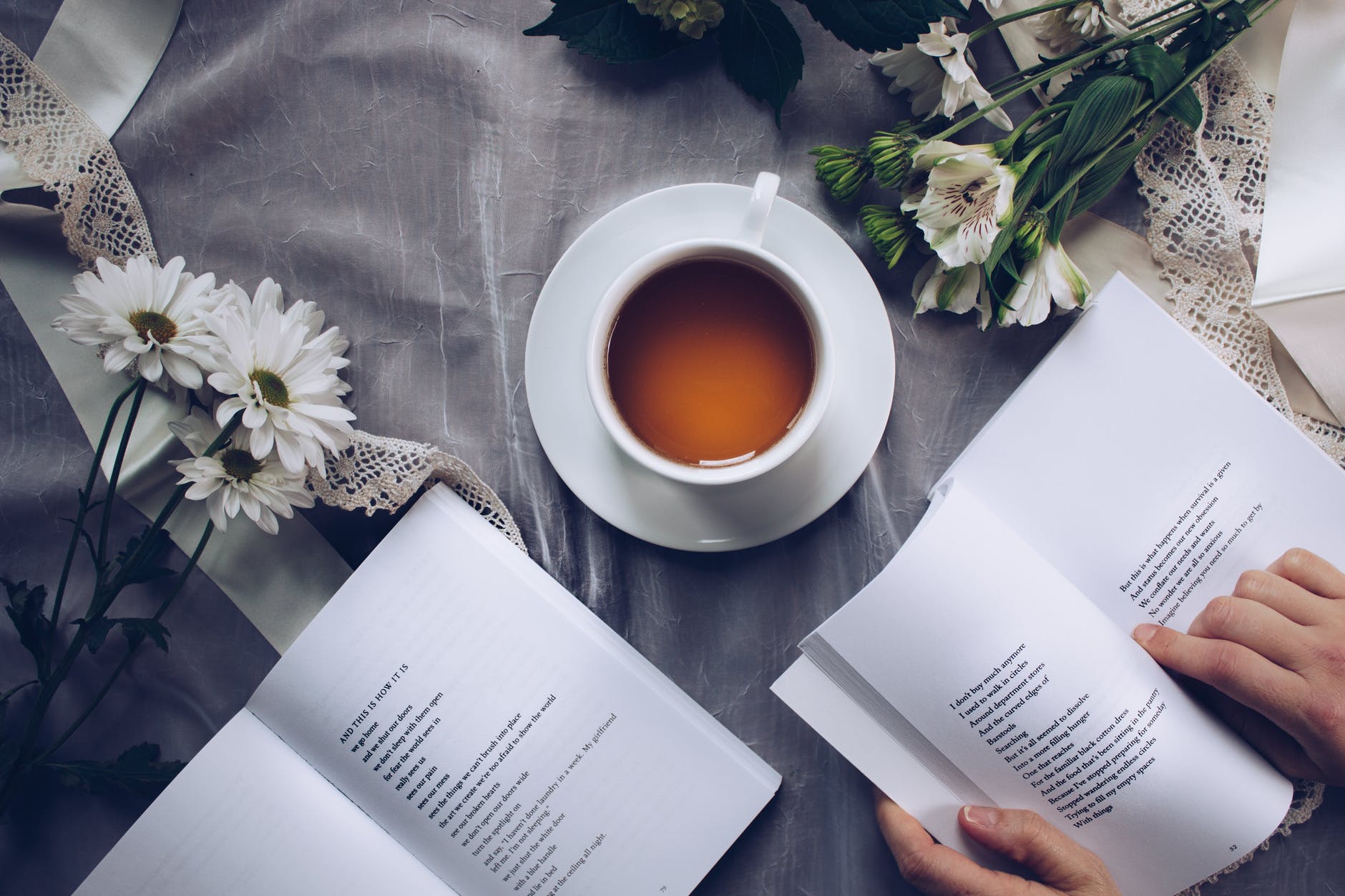
white ceramic teacup with saucer near two books above gray floral textile

“Resting and relaxing is as important as going out there and making it happen.”

– Hiral Nagda

So, we decided to stay another night just to have a full evening of recovery and relaxation (reading for me) before we make the seven-hour plus drive home. We’ve had a full day of family fun and it seemed like a no-brainer to take a night to unwind before we headed home; no need in going home so worn out that the trip becomes something we want to forget. Also, we all seemed to be excited at the idea of just getting to sit around and read or write or color.

Tomorrow, we return to reality (my wife has to work, and we both have two other children to return to). Not some futuristic definition of reality, just back to our everyday routine. There is nothing wrong with that; reality is, I assume, preferable to the alternative.

This post isn’t going to be too long, so I won’t take much, if any, of your time (assuming you’re even reading this). We’ve all enjoyed this little trip but are also excited about a night of nothing. Even though we’re doing things we can do just as easily at home doesn’t mean we always get to. Life can always get in the way of you being able to finish the last chapter of that book you’ve been reading for two months.

So, I guess my point (other than providing another unnecessary update) is to appreciate the simple things. Real original, right? But seriously, no vacation in the world can make up for the little things that are always right in front of us.

Meditation: Could it Work for Me?

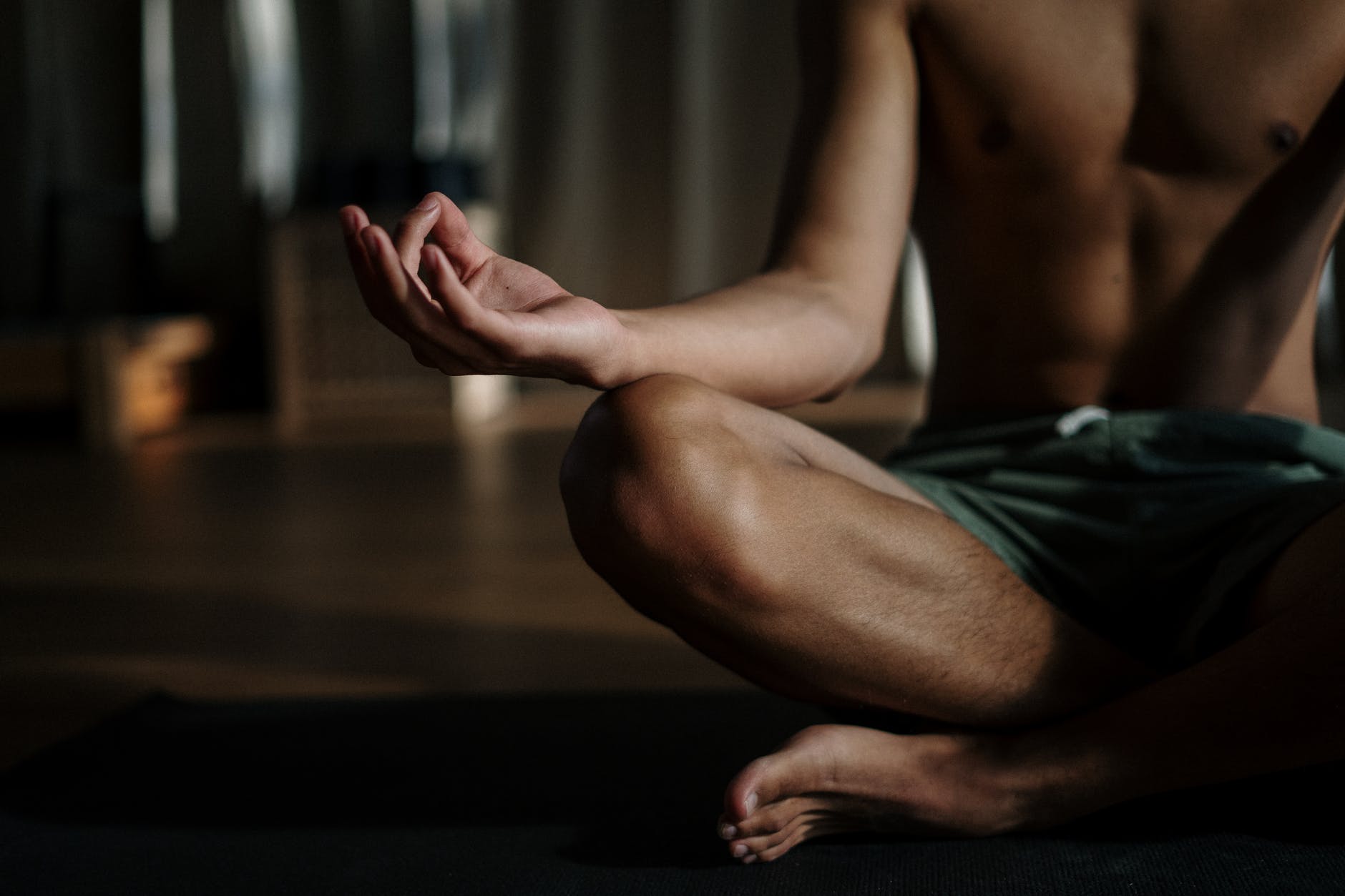
man in black shorts sitting on floor

“You’re distracted and stressed because you’re not mindful. But the statement should be in reverse – you’re not mindful because you’re distracted and stressed.”

– Unknown

I’ve never had much luck with using or finding any coping skills that work. To me, they’ve always been akin to bullet points on a piece of paper given out at AA meetings or therapy sessions. They just have never been helpful to me and so I keep my distance.

Though I’ve never found any of the generic “coping skills” to work for me, I have noticed that meditation seems to be on every list.

Just another bullet point: mediation.

For all intents and purposes, to meditate, according to Oxford Dictionaries, is to “think deeply or focus one’s mind for a period of time, in silence or with the aid of chanting, for religious or spiritual purposes or as a method of relaxation”. Well, I’m here to tell ya that I’m just not hardwired for something like that, although there is a known direct connection between meditation and bipolar disorder.

Meditation is known to provide a sense of calm, peace, and balance. It can also help carry you more calmly through your day and may help you manage symptoms of certain medical conditions.

There are many different kinds of meditation, usually all focusing on areas such as posture, breathing, attention, and relaxation

To me, meditation actually seems…daunting. Like a task or something you really dread but have no choice in doing – except you do. I just don’t know that I have the capacity to slow my brain down enough to even an begin to try to meditate.

However, more than 60% of the top health problems for which people use meditation are stress, anxiety, and depression.

It only takes a little research (and some common sense) to discover and understand the benefits of meditation.

Some of these benefits include:

  • Gaining a new perspective on stressful situations
  • Building skills to manage your stress
  • Increasing self-awareness
  • Focusing on the present
  • Reducing negative emotions
  • Increasing imagination and creativity
  • Increasing patience and tolerance

That sounds good and all but, come on. Give me a break.

I must stress to everyone reading this that I am in no way dogging or downplaying meditation as a coping strategy, ideology, or practice if it works for you. I’m not saying it doesn’t work for people. Not at all. It just hasn’t worked for me.

It’s true, though, that meditation isn’t for everyone. There is some research that found that more than a quarter of those who regularly meditate have had a “particularly unpleasant” psychological experience while doing so, including feelings of fear and distorted emotions.

The study found that psychologically unpleasant experiences can occur during meditation. Even some traditional Buddhist texts allude to intense accounts of similar experiences.

A similar study found meditation can sometimes make people more neurotic, depressed, anxious, and can even trigger unresolved trauma.

For those who can’t properly meditate (myself included), there are a variety of reasons why including:

  • Racing mind
  • No consistency
  • Wandering minds
  • Keep falling asleep
  • Body aches and pains
  • Boredom
  • Having great ideas or thinking of important things
  • Trouble finding time
  • Expectations set too high
  • Hope of immediate results

There are, however, different methods for those who traditional meditation doesn’t work. Experimenting with personal variations, practicing in a different or a group setting, and keeping your mediations short are just a few of these ways.

Maybe I’m jealous to some extent because it sounds like an awesome concept, at least in theory; it may be difficult and frustrating in ways I haven’t even considered. In the end, you have to go with what works for you. You have to go with your gut.

For me, it’s not something I find any relief in but have not given up on. I’d like to be able to meditate; out of all the coping skills I know of meditation is the most appealing and seemingly reasonable to me. Maybe I’m just fascinated by the idea of it. I hope to one day be able to put the idea into practice and benefit from it. The science is there. Now I just got to catch up.