We’re Really in The Soup, Aren’t We?

That is what madness is, isn’t it? All the wheels fly off the bus and things don’t make sense anymore. Or rather, they do, but it’s not a kind of sense anyone else can understand

– Audrey Niffennegger

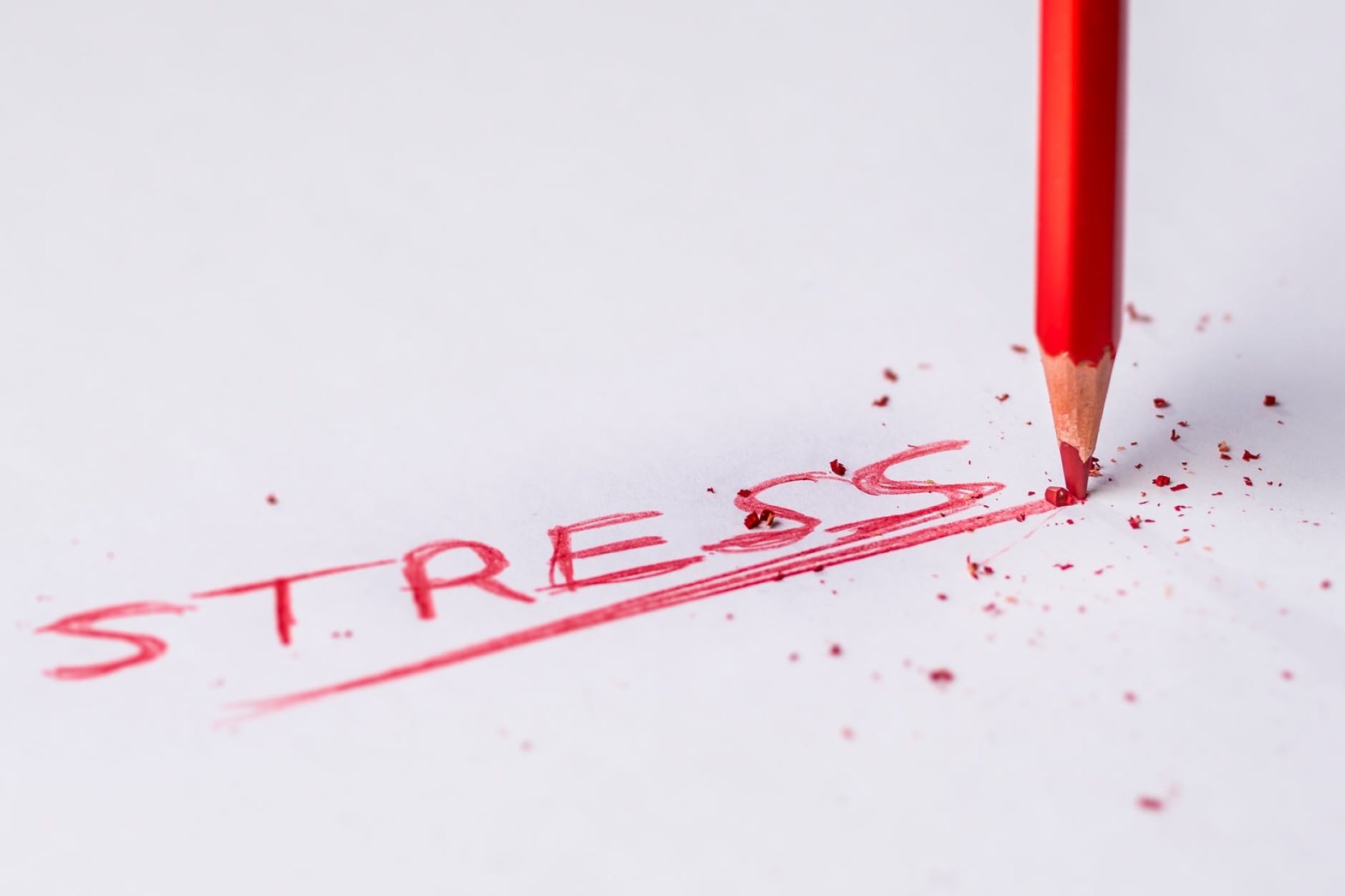
After two weeks, a slight return. Whether it’s my children or my day job (it’s only June and we’re hitting 105 degrees with the heat index – not exactly prime conditions for mowing), free time has been non-existent for me, and it’s affected all avenues of my writing for the time being. If I can’t write, I will read. There hasn’t been too much time for either of those things, though. Stuck in the soup.

I do, however, have something on my mind. I live in a small town. Bars, churches, and fast-food restaurants take up most of the space. Conservatives, drunks, and drunk conservatives take up most of what’s left, not leaving much of anything for the rest of us. So, there aren’t a lot of resources for…anything. This became all too clear recently after watching a local Facebook group dedicated to those suffering from drug and alcohol addiction do battle with members of Small Mind, USA.

Agree or disagree, alcoholism and addiction are considered diseases in the scientific and medical fields. Diseases can be managed or treated so not all hope is lost. To many, though, addiction is a choice. I’m not going to pretend that I know the ins and outs of all of the science, but it shouldn’t take a scientist to understand the effects alcohol and drug use have on human biology and brain chemistry.

“You chose to put the needle in your arm, junky.” Granted, that’s kind of fair, I guess, but on a very low, superficial level. It’s not so black and white. Not at all.

That was just one of the many negative, ignorant comments posted on this “recovery group’s” Facebook page. I felt so bad watching these people who are trying to find empowerment through recovery get torn apart by the vicious ignorance of the misinformed. And on a digital platform, no less.

“Our tax dollars shouldn’t go to paying for your methadon.” Et cetera, et cetera, et cetera. Ignorant and illiterate. If you can’t spell “methadone” then you shouldn’t have a fighting hand in the argument.

I must give it up to the recovery group and its members, though. They stayed firm in their decree while also taking the higher ground by not going on the attack.

The one thing it made me realize is if this recovery group is getting criticized to this extent, what “challenges” would a support group for the mentally ill face in a small town? My town particularly. Would we be laughed at? Called lazy? Told to suck it up? Probably all those things and then some.

It’s pointless to feel hopeless, though. Some things will never change or will only at a rate so slow I won’t be here to see the repercussions of any of the progress.

Although mental health resources are usually limited everywhere, I’m sure it’s a little different in my town of 2,000 people. There is a “county counselling service”, but good luck getting an appointment or consultation there. The system is more than broken. It’s non-existent in some places.

I don’t have much else to say about this. There is nothing I can say that hasn’t already been said. Mental Health Awareness Month is almost over, and I don’t feel it’s made much difference or was “successful” in any special way. “Awareness” is a relative term, even useless at times. Did we remember to call our support groups together? Did we make T-shirts for everyone, or picket in the streets? Mental Health Awareness Month was just a month wasted on pride for our condition, not a celebration of our endeavors and struggles. Nothing was truly spotlighted except “woo weee…it’s our month.” Every day is Mental Health Awareness Month for me. And for many others reading and stuck in the soup.

I’m trying to be a realist but am recognizing all I do is complain about the ignorance or misgivings of those who don’t understand or agree. And who knows when or if real change will occur. Perspectives and foundational ideologies must change for many and that’s not up to me or any of us. But for the time being I’ll remain here, in the soup.

Caesar Meet Brutus

“If I can’t be my own, I’d feel better dead”

– Alice In Chains, Nutshell

I think I’m losing my mind.

The week started out grand – with my computer crashing at just two months old, my car battery completely crapping out (along with a broken terminal), and a missed freelance deadline.

Hours on the phone with HP and three business days later finally led to my computer resolution. For only having my writing saved on it I question what makes a brand-new laptop crash. I’m not extremely tech savvy, but my suspicions have been raised.

It’s kind of funny how a day can start off one way and then end in a totally different one, isn’t it? It’s our lives. We go through so many changes and come upon so many crossroads that it’s amazing we even have the ability or time to think at all. It’s the sort of thing I happen to be all too familiar with yet really would rather not be. To know the ins and outs of human emotion to this extent isn’t always the greatest of gifts. I’d trade it to be sad any day.

But we still get up every day, doing the same thing over and over. And then we go off, telling ourselves and others whatever lies we must in order not to go completely insane.

It’s a vicious cycle we’re born into. We may not necessarily be born insane; in fact, I feel we’re all born with the pretense to run from insanity. This may be our best natural asset, even when we are having to make up things to run from.

And strangely it somehow works out, albeit usually messily in the end.

I think my favorite part of who I am is attacking itself. My brain is no longer my best friend, and my mind never was. My brain is a traitor. I’m losing track of myself and someone on the inside seems to be enjoying it.

Caesar meet Brutus.

That’s just cryptic immaturity on display, but not completely inaccurate.

The mowing season is in full swing and has been keeping me busy, taking away quite a bit of time from my writing. Which is why I haven’t been here in a few days (along with my many other reasons, of course). It’s hard to prioritize which “projects” to be working on when your time is limited, and I’m trying to be as ambitious as possible without completely losing my head (haha).

But it seems to be to no avail. I’m blinded to the days of the week anymore. I am consciously keeping myself in check because I can’t keep up. It’s Saturday night, but it feels like it’s Tuesday. I don’t know why. This will somehow be my fault, though.

I’m remembering things in fragments and snapshots. Some days I am blessed with the gift of being able to string real thoughts together, other days not so much. Lately, all of my writing has become diaries of fog. I get stranded in the cliché “sea of words”, and if it doesn’t come out sounding like rambling gibberish, it comes out very corny, full of phrases like “sea of words”.

I have written some poetry I’m semi-proud of lately, though. I hate writing poetry, but feel it is a necessary evil. Sometimes the spirit just takes over and I abandon prose for a moment, getting lost in what is more than likely pretentious and semi-fraudulent. There is good poetry, however. I just do not recognize it in my own writing.

I still play my guitar every day, which is a mental exercise built perfectly to my advantage. I only play acoustic guitar anymore and haven’t picked up my bass in longer than I’d like to admit. I don’t know if “music equals life” like the t-shirts say, but without it I’m not sure where my life would be.

I’ve never had my shit together. I’ve just been able to use my illusion to get by. Now, all of that seems to be catching up to me. I don’t have the ability anymore to fake it or pull one over on people by faking it. If this is a dance, I no longer remember the steps and have never been one for dancing anyway.

I seem to be finding more and more ways I am “restrained” in life but continue keeping up the good fight of not staying in any boxes created by the “powers that be”. I am proud of myself for that. Most people who know me say I have no filter, which at times can be true, dangerous, and cruel. However, I am not afraid to stand on my own two legs and say what’s on my mind. It’s been called both my best and worst quality.

I’m going to have to wrap this up because I can see the fog coming in. It’s getting late, anyway. Although I mainly complained, I am proud to have put together a group of cohesive words from a train of broken thoughts. I made it this far and, surprisingly, even I know when to quit.

Smells Like Mental Health Awareness Month

“The experience I have had is that once you start talking about experiencing a mental health struggle, you realize that actually you’re part of a quite a big club.”

– Prince Harry

The guitar Kurt Cobain played/used in the video for “Smells Like Teen Spirit” just sold at auction for $4,500,000.00, about $4,000,000.00 more than expected, by Colts owner Jim Isray. That places it as the fourth most expensive piece of “known” music memorabilia ever (Kurt also takes the top spot for his guitar from the MTV Unplugged show, which sold for more than $8,000,000.00 at auction).

When I heard about this auction a month or so ago, I was kind of like “yeah, yeah, yeah, someone needs money”. The guitar had been on display somewhere for quite a while before the announcement, so I thought hey, let’s let it be.

It was expected to sell between $400,00.00 and $600,00.00. It far exceeded that goal, I’d say.

But I just recently found out that the guitar was auctioned in honor of May being Mental Health Awareness Month. Not only that, but a huge portion of the money also goes to an organization ran by the Colts and the Isray family called Kicking The Stigma, which gives away grants to Indiana-based mental health programs.

Isray even spoke on the guitar’s important place.

“This guitar is big, and it relates so much to stigma,” he said. “When you have mental illness, people die. These are fatal diseases — bipolar, schizophrenia, post-partem depression, alcoholic addictions. With fatal diseases, people die, and they don’t choose to die. … Those of us who are alive, we’re not stronger or better. We didn’t get our act together more. We didn’t have more character. That’s where it’s so false.”

Whatever his motives may be, I don’t care. I appreciate the gesture, even if that’s all it is.

I don’t think Kurt Cobain would have been too ecstatic about two of his guitars selling for more than $12,000,000.00. I could understand how that would seem unreasonable or outright insane to a person. But I do think he would definitely approve of some of that exorbitant amount of money spent going to an organization called Kicking the Stigma, an organization with the goal of raising awareness about mental illness.

Happy MHAM!

A Brief Thought on Dying

“It matters not how a man dies, but how he lives. The act of dying is not of importance, it lasts so short a time.”

– Samuel Johnson

Someone close to me recently brought forth the question of whether or not I was curious about what people will say or think about me after I die. I couldn’t help but laugh a little and try and be anecdotal, but nothing that came to mind sounded right.

When they asked me again if I had ever pondered on the issue, I had to be honest and say “no”. I’m of the inclination that this is it. It’s all black after these lights go out…so I’m still trying to plan how I’m going to sneak in a little bit when I get to the “other side”.

I guess in a way I’m so preoccupied with “what’s next” rather than who is saying what about me after I’m gone. I’m a nihilist through and through, but I still don’t have a good enough grasp on the afterlife to be comfortable going now.

Now, I’ve always known what I’ve wanted on my tombstone if that counts: “The future’s uncertain and the end is always near.” A line from “Roadhouse Blues” by The Doors. If you take away the Morrison myth it’s not a bad quote, one of ultimate summation, I think.

What do you want to be remembered for after you’ve left this earthly plane? What do you want your friends and family to say about you? Do you even care? What’s next after we die?

I’m interested to know your feelings on the topic.

My Personal Top 10 Tips for Those Who Are Mentally Ill

“To be ill adjusted to a deranged world is not a breakdown.”

– Jeanette Winterson

There are always goin

  • Accept it: It’s all you can do. It’s a process, but it’s necessary.
  • Acknowledge that you are not your illness: This is most important.
  • Don’t be afraid of the med game: Hey, if it helps…
  • Avoid “You might be…” or “Things to avoid…” lists or articles: We’re all different
  • Stay active/healthy diet: Staying healthy is key to having any control over your overall psychological well-being.
  • Practice self-care: This, especially along with a healthy diet, can help one have a basic level of control.
  • Develop a routine: This can be difficult as real life can get in the way, but can be a game-changer.
  • Stay in contact: With friends, with family, with everyone.
  • Pause for the cause: It’s okay to be selfish sometimes.
  • Google doesn’t have a medical degree: Education is key when it comes to your mental illness but search with caution and insight.

Below are additional tips to boost your mental health:

  • Track gratitude and achievement with a journal. Include 3 things you were grateful for and 3 things you were able to accomplish each day.
  • Start your day with a cup of co­ffee. Coff­ee consumption is linked to lower rates of depression. If you can’t drink coff­ee because of the caff­eine, try another good-for-you drink like green tea. 
  • Set up a getaway. It could be camping with friends or a trip to the tropics. The act of planning a vacation and having something to look forward to can boost your overall happiness for up to 8 weeks!
  • 4, Work your strengths. Do something you’re good at to build self-confidence, then tackle a tougher task. 
  • Keep it cool for a good night’s sleep. The optimal temperature for sleep is between 60 and 67 degrees Fahrenheit.
  • “You don’t have to see the whole staircase, just take the first step.” – Martin Luther King, Jr. Think of something in your life you want to improve, and figure out what you can do to take a step in the right direction.
  • Experiment with a new recipe, write a poem, paint or try a Pinterest project. Creative expression and overall well-being are linked.
  • Show some love to someone in your life. Close, quality, relationships are key for a happy, healthy life.
  • Boost brainpower by treating yourself to a couple pieces of dark chocolate every few days. The flavanoids, caffeine, and theobromine in chocolate are thought to work together to improve alertness and mental skills.
  • There is no greater agony than bearing an untold story inside of you.  -Maya Angelou. If you have personal experience with mental illness or recovery, share on Twitter, Instagram and Tumblr with #mentalillnessfeelslike. Check out what other people are saying here.
  • Sometimes, we don’t need to add new activities to get more pleasure. We just need to soak up the joy in the ones we’ve already got. Trying to be optimistic doesn’t mean ignoring the uglier sides of life. It just means focusing on the positive as much as possible.
  • Feeling anxious?  Take a trip down memory lane and do some coloring for about 20 minutes to help you clear your mind. Pick a design that’s geometric and a little complicated for the best effect. Check out hundreds of free printable coloring pages here.
  • Take time to laugh. Hang out with a funny friend, watch a comedy or check out cute videos online. Laughter helps reduce anxiety.
  • Go off the grid. Leave your smart phone at home for a day and disconnect from constant emails, alerts, and other interruptions. Spend time doing something fun with someone face-to-face.
  • Dance around while you do your housework. Not only will you get chores done, but dancing reduces levels of cortisol (the stress hormone), and increases endorphins (the body’s “feel-good” chemicals).
  • Go ahead and yawn. Studies suggest that yawning helps cool the brain and improves alertness and mental efficiency.
  • Relax in a warm bath once a week. Try adding Epsom salts to soothe aches and pains and help boost magnesium levels, which can be depleted by stress.
  • Has something been bothering you? Let it all out…on paper. Writing about upsetting experiences can reduce symptoms of depression.
  • Spend some time with a furry friend. Time with animals lowers the stress hormone – cortisol, and boosts oxytocin – which stimulates feelings of happiness. If you don’t have a pet, hang out with a friend who does or volunteer at a shelter.
  • “What lies before us and what lies behind us are small matters compared to what lies within us. And when you bring what is within out into the world, miracles happen.” – Henry David Thoreau. Practice mindfulness by staying “in the present.”  Try these tips
  • Be a tourist in your own town. Often times people only explore attractions on trips, but you may be surprised what cool things are in your own backyard.
  • Try prepping your lunches or picking out your clothes for the work week. You’ll save some time in the mornings and have a sense of control about the week ahead.
  • Work some omega-3 fatty acids into your diet–they are linked to decreased rates of depression and schizophrenia among their many benefits. Fish oil supplements work, but eating your omega-3s in foods like wild salmon, flaxseeds or walnuts also helps build healthy gut bacteria.
  • Practice forgiveness – even if it’s just forgiving that person who cut you off during your commute. People who forgive have better mental health and report being more satisfied with their lives.
  • “What appear to be calamities are often the sources of fortune.” – Disraeli. Try to find the silver lining in something kind of cruddy that happened recently.
  • Feeling stressed? Smile. It may not be the easiest thing to do, but smiling can help to lower your heart rate and calm you down.
  • Send a thank you note – not for a material item, but to let someone know why you appreciate them. Written expressions of gratitude are linked to increased happiness.
  • Do something with friends and family – have a cookout, go to a park, or play a game. People are 12 times more likely to feel happy on days that they spend 6-7 hours with friends and family.
  • Take 30 minutes to go for a walk in nature – it could be a stroll through a park, or a hike in the woods. Research shows that being in nature can increase energy levels, reduce depression and boost well-being.
  • Do your best to enjoy 15 minutes of sunshine, and apply sunscreen. Sunlight synthesizes Vitamin D, which experts believe is a mood elevator.
  • “Anyone who has never made a mistake has never tried anything new.” -Albert Einstein. Try something outside of your comfort zone to make room for adventure and excitement in your life.

There are many different skills or coping mechanisms that you can do or use in times of mental duress. It all just depends on the situation and what is needed at the time to diffuse the mental health crisis or concern. We all have it in us and although bullet points suck, there is a truth there that can only be helpful.

I hope my list, along with the list provided by the MHA, is helpful to someone in some way.

a day in the life: reflections

“The real man smiles in trouble, gathers from distress, and grows brave by reflection.”

– Thomas Paine

I was recently thinking about my past, reminiscing about friendships that seem like mirages of existence at this point. I decided it was best to use this great “hour of remembrance” in a constructive way and think about where I was five years ago.

Five years ago, I was 27, which was my golden birthday. I was wild then, wild and rearing to go be a part of any type of ignorant activity. I suffer from bipolar disorder if you guys didn’t know and even though I knew it at the time, I still used it to be the life of the party. I was still embarrassed (to an extent) about my condition, and it was easier to just be the wild one.

Five years ago, I worked at a television news station. It was a miserable job, and I would recommend it to no one. I was a digital content producer, which was just a fancy title for someone who wrote up police reports and posted them on Facebook. I’m a “journalist”, and CNN wasn’t calling so I needed to get my foot in the door. I worked at a print news station prior as a copy editor and it was just as miserable (I had interned there and was promised a job as a reporter but was just given a different one).

Five years ago, my middle son was barely one. Life for my wife and I was drastically different. We balanced our schedules and were lucky to have the time we did have. My wife was a correctional officer, and everything worked out perfectly. Our little boy is now almost six.

Five years ago, I asked a woman who has changed my life for the better to marry me. She did the following year, thank God, but the time we spent together that year as an engaged couple can never be changed or taken away.

Five years ago, I was blessed. Just as blessed as I am today. I have always tried to adopt a strict “don’t look back” policy, but it’s hard when looking back is sometimes the key to moving forward.

Mental Health, the Military, and My Father

“Like father, like son.”

– Unknown

This is going to be more than a post of fun facts and bullet points. For me, anyway. Like millions of others with family members in the military, this has, is, and will always hit home in its own way.

My father was in the United States Army for 31 years before retiring in his early 50s a few years ago. He was that type. He could have quit after four years under the rules and laws I know. But he dedicated another 27 years of service out of the “somebody’s gotta do it” ideology. Or so I hope. The alternative would be far more sinister.

From my high school career on, he was mostly gone overseas somewhere. He could never say where. It turns out, however, a lot these deployments were voluntary. But from the age of 13 to 32, the man I now see before me has changed dramatically. He’s changed into a man that a broken system doesn’t want me to know has broken him. He’s there, yes, but there’s something missing, too.

The war (which one?) has taken its toll, yes, but have we not dropped the ball on making sure veterans receive the frontline psychiatric help they deserve after being on the front lines?

These are all questions that have been on the table for some time now. Nothing new, but far from right.

My father is an alcoholic, which makes me ever more thankful I do not drink because he’s that type of alcoholic. With all the candor and then some. But my dad wasn’t always like that. No, he was the reasonable one in our family. For a while.

Like I’ve mentioned, it comes with the territory. I know this. But the interruption or delay, if you will, my father has undergone is scary and, to an extent, was avoidable.

Who’s to blame, though? Those feeding the egos, or the ones needing their ego fed? It’s all relative, I guess. These all were questions asked before mental health became a part of the paradigm.

Nearly 25% of active-duty members showed signs of a mental health condition, according to the 2014 study by JAMA Psychiatry.

According to the National Alliance on Mental Illness, there are three primary mental health concerns that you may encounter serving in the military.

Postraumtic Stress Disorder (PTSD). Traumatic events, such as military combat, assault, disasters or sexual assault can have long-lasting negative effects such as trouble sleeping, anger, nightmares, being jumpy and alcohol and drug abuse. When these troubles don’t go away, it could be PTSD. The 2014 JAMA Psychiatry study found the rate of PTSD to be 15 times higher than civilians.

Depression. More than just experiencing sadness, depression doesn’t mean you are weak, nor is it something that you can simply “just get over.” Depression interferes with daily life and normal functioning and may require treatment. The 2014 JAMA Psychiatry study found the rate of depression to be five times higher than civilians.

Traumatic Brain Injury (TBI). A traumatic brain injury is usually the result of significant blow to the head or body. Symptoms can include headaches, fatigue or drowsiness, memory problems and mood

Adjustment disorder is another common disorder members of the military transitioning back to civilian life experience. This is where PTSD and depression play a high role.

Soldiers exiting the military are also made to feel weak by needing or accepting help for a psychiatric concern that could’ve been prevented or at least prevented from getting worse.

This is another issue my father personally faces. This, along with the less-than-great medical services provided by the VA, is another reason my father, who desperately needs medical care, will not seek it. One, it is for the weak. And two, he still doesn’t have full access to the care he needs.

Below I have included 11 facts about soldiers and mental/psychological health:

  1. Depression and post-traumatic stress disorder are the most common mental health problems faced by returning troops.

The most common symptoms of PTSD include difficulty concentrating, lack of interest/apathy, feelings of detachment, loss of appetite, hypervigilance, exaggerated startle response, and sleep disturbances (lack of sleep, oversleeping.

Post-traumatic stress disorder is diagnosed after several weeks of continued symptoms.

About 11% to 20% of veterans of the Iraq and Afghanistan wars (Operation Iraqi Freedom and Operation Enduring Freedom) have been diagnosed with PTSD.

30% of soldiers develop mental problems within 3 to 4 months of being home.

55% of women and 38% of men report being victim to sexual harassment while serving in the military.

Because there are more men than women in the military, more than half of all veterans experiencing military sexual trauma are men.

An estimated 20% of returning Iraq and Afghanistan veterans turn to heavy drinking or drugs once they return to the US.

Between 10 and 20% of Iraq and Afghanistan veterans have suffered a traumatic brain injury (TBI). Possible consequences of this internal injury include anger, suicidal thoughts, and changes in personality.

In 2010, an average of 22 veterans committed suicide every day. The group with the highest number of suicides was men ages 50 to 59.

Some groups of people, including African Americans and Hispanics, may be more likely than whites to develop PTSD.

I said this wouldn’t be a post of stats and bullet points, but they’re necessary. I can only speak of my father so much without violating his personal liberties, although he knows nothing about this blog and probably wouldn’t approve of it, anyway.

War will change any person, no doubt, but it doesn’t mean we leave our soldiers on their own, especially after the services they do provide for our country. The transition back to “normal” life after being in combat can be tremendously difficult. It’s important for people to understand that for a soldier the personal warfare, the inner battlefront, never ends. It will always be there. We must be diligent in the care and understanding of our soldiers when it comes to mental health.

Despite the expression and the idea behind it, I think very little is fair when it comes to love or war.

Mental Illness: An Excuse for Bad Behavior?

“Mental illness does not give you the excuse to act like a jackass.”

– Pete Davidson

The above quote quite sums up the entirety of what this short post will be.

It’s not unheard of. Someone with a mental illness, consciously or not, may believe they’re allowed a free pass at times. This, of course, is false. In no set of circumstances does mental illness allow one to act like a dick.

It’s a total myth that having a mental illness is an excuse for poor or bad behavior. Not that that is out of the realm of possibility, but one cannot stand behind the guise of mental illness to do whatever one wants. Yet, in certain times, we need to remember that the illness is not the person, and those isolating behaviors are part of their condition.

One study found that one-third of people think people with mental illness are ‘making excuses’.

According to an article in The Bridge Chronicle, people use mental illness as “an excuse for irrational behavior…mental illness doesn’t evaporate the consequences of our actions.

“Mental health does not make problematic behaviors excusable.”

A clear example of this is Kanye West and his continued deterioration in the media. He is allegedly bipolar (I am not sure if there has ever been a clinical diagnosis or not), but up until recently, we have always given Kanye a “pass” when he’s been offensive or completely “off his rocker” (pardon my discriminatory description – Kanye has earned it, though). His “genius” overshadowed any medical or mental health concerns that he was experiencing, and he continued down a destructive, untreated path.

I understand, to some degree, why people may play the “mental illness” card, though. It is sometimes the only way we can get any true recognition of our condition. It’s inexcusable to be manipulative when it comes to “owning” one’s illness, but sometimes it is the only way to express that part of our lives. One can use tact, though, and in a way that’s not so extreme.

There are different ways to go about “expressing” yourself. Taking responsibility for one’s actions and/or reactions is a good place to start. You may end up revealing something about yourself that you don’t want to but taking responsibility for certain behaviors is a good step in the right direction.

Having that kind of accountability can go a long way when having a mental illness. You have to acknowledge the situation before being able to handle it.

Symptoms of an undiagnosed mental illness include:


· Thoughts of harming someone or yourself

· Emotions of sorrow, frustration, fear, concern, or anxiety are recurrent or persistent.

· Regular outbursts of feelings or mood changes

· Uncertainty or mysterious memory lapses

· Delusions or hallucinations

· Intensive fear or anxiety about putting on weight

· Important shifts in eating or sleeping behaviors

· Unknown improvements in success at school or work

· Failure to deal with regular tasks or problems

· Cessation from events or relations in society

· Authority disobedience, delinquency, robbery, or destruction

· Misuse of substances, including alcoholism or illicit drug use

· Mysterious bodily conditions

There have been times when I’ve “gone off” because I’ve slipped, and lashing out seemed to be the most logical response. Hands up-don’t shoot! I, too, have been guilty of this.

If you find yourself lashing out at others, here are a few things you can do:

· If you have a lot of built up anger, speak to someone. A family member, a friend, or your doctor to talk about the things going on in your head.

· Alternatively, if you’re feeling angry, unleash your feelings by calling Samaritans on 116 123, they are there to listen to you.

· If you find yourself irritated or angry, question what’s going on. Is everyone else being irritating, or do you need extra support for your emotions?

· Before making hurtful comments, take a step back and think about the consequences.

· If you are unable to stop a reaction, take some time out afterward and apologize to the person you hurt.

· Listen when friends and loved ones tell you they’re hurting. Don’t dismiss their feelings or deflect them by blaming your mental illness.

Some people struggle with their moods and behaviors. It can be debilitating for everyone involved. This, however, does not give anyone the right to abuse their condition. Being mentally ill does not excuse bad or inappropriate behavior.

So, You Think You Have a Mental Illness

“We must bring the issue of mental illness out into the sunlight, out of the shadow, out of the closet, deal with it, treat people, have centers where people can get the necessary help.”

– John Lewis

With 1 in 5 U.S. adults suffering from some form of mental illness, it’s not a huge leap for one to think they may be suffering from one, as well. Depression and anxiety are extremely prevalent. Sharing similar hallmarks to certain other illnesses can drive many to assume they may be suffering from some sort of mental health issue.

According to Mental Health America, “mental illnesses are brain-based conditions that affect thinking, emotions, and behaviors.” Research suggests that 21% of adults in the U.S. experience some form of mental illness. 1 in 25 U.S. adults live with serious mental illness, and 1 in 6 U.S. youth aged 6 to 17 experience a mental health illness

There are things TO DO and things NOT TO DO when it comes to being curious about your own mental health. One of the big ones for me is to educate without overloading myself. Dr. Google may be right, but I believe it’s only smart to begin the deep education part after a proper diagnosis has been made by a mental health professional.

One major thing someone can do for someone is to just listen. You don’t have to pretend to understand, just listen. It may not help either side of the conversation, but it can act as a distraction.

One thing to avoid is any articles with names like “Signs You May Be…” or any other similar catechism. These are often misguided pieces of information and are used to create worry and fear rather than to be informative. After all, that headache you just Googled might just be cancer.

However, there are symptoms to keep an eye out for.

In Adults, Young Adults and Adolescents:

  • Confused thinking
  • Prolonged depression (sadness or irritability)
  • Feelings of extreme highs and lows
  • Excessive fears, worries and anxieties
  • Social withdrawal
  • Dramatic changes in eating or sleeping habits
  • Strong feelings of anger
  • Strange thoughts (delusions)
  • Seeing or hearing things that aren’t there (hallucinations)
  • Growing inability to cope with daily problems and activities
  • Suicidal thoughts
  • Numerous unexplained physical ailments
  • Substance use

In Older Children And Pre-Adolescents:

  • Substance use
  • Inability to cope with problems and daily activities
  • Changes in sleeping and/or eating habits
  • Excessive complaints of physical ailments
  • Changes in ability to manage responsibilities – at home and/or at school
  • Defiance of authority, truancy, theft, and/or vandalism
  • Intense fear
  • Prolonged negative mood, often accompanied by poor appetite or thoughts of death
  • Frequent outbursts of anger
  • In Younger Children:
  • Changes in school performance
  • Poor grades despite strong efforts
  • Changes in sleeping and/or eating habits
  • Excessive worry or anxiety (i.e. refusing to go to bed or school)
  • Hyperactivity
  • Persistent nightmares
  • Persistent disobedience or aggression
  • Frequent temper tantrums

Before letting a list like this define you it’s important to seek out professional help. These are only places to start.

If it turns out after receiving proper medical care that you may have a mental illness there are things to do, as well.

  • Accept your feelings
  • Establish a support network
  • Seek counseling
  • Take time for yourself
  • Handling unusual behavior
  • Talk to a doctor about medication
  • Therapy

No, not all of these are going to work for everybody (I still struggle myself), but they’re a place to start. You must accept the issue before you can move forward. Only do so cautiously, though. The opinion of a mental health professional is needed before anything else.

Mental Health in Small Town, USA

“There is no standard normal. Normal is subjective. There are seven billion versions of normal on this planet.”

– Matt Haig

Just some brief thoughts:

I live in a small town. Like a really small town. It’s a very conservative, small town in a very conservative part of Illinois, which is most of the state (thank God for Chicago or we would be all Red). There aren’t a lot of resources in my area for people with any type of mental health or psychiatric problems. That seems to be the case for many rural areas across the U.S.

This isn’t news. A 2020 study found that “rural residents in the USA experience significant disparities in mental health outcomes even though the prevalence of mental illness in rural and metropolitan areas is similar.”

These issues may stem from a lack of funding or a lack of understanding of these types of problems. I haven’t even heard of any recognition that May is Mental Health Awareness Month on any type in any local media in my area – not that that is surprising. I have found most people have no idea this is Mental Health Awareness Month.

That’s part of the problem. No, not recognizing May as “ours”, but by not recognizing the issue at all. I had an appointment with my psych doctor yesterday, who practices more than an hour away now. Thank God (or whoever) for Telehealth or that monthly drive would be a killer.

A study by researchers at Wake Forest School of Medicine determined one of the main causes behind the lack of resources for mental health treatment in rural areas is the surrounding shame and stigma. The belief that “I should not need help.”

“We as a society have a hard time asking for help, so it’s hard enough to ask for help [without feeling] that everybody’s going to know it,” Dennis Mohatt, vice president of the behavioral mental health program at the Western Interstate Commission for Higher Education, said. “Your neighbors don’t have a clue in a city if you’re going to go get some help. But everybody [in a small town] will know if your pickup truck is parked outside of the mental health provider’s office.”

He’s right. Fortunately, I do not fall into that category. I’m not out picketing for change or acknowledgment, but I’m far from ashamed.

Other research suggests even suicide rates are affected by the regionality of mental health services.

“There is a higher suicide mortality rate among residents of rural and nonmetropolitan areas than those living in metropolitan areas,” Ty Borders, Ph.D., said. “The discrepancy has existed for decades, and the gap has widened in recent years,”

So, why is this? I’m sure there is more than one answer, but where I live it has a lot to do with what I hope is a lack of understanding (I have to believe that, at least). Funding, too, if that can be looped into it on some real substantive basis. However, I believe it stems from a lack of understanding.

It’s also because of a weakness that gets pinned on those who suffer from any type of mental health problem or crisis. There is very much a “Suck it up and get over it!” mentality among many throughout my community. The idea that mental illness didn’t exist fifty years ago is a very prevalent one.

Poverty plays a role in this dilemma, too. How can someone expect to pay for mental health services when they can’t afford their 10-year-old’s school physical? Especially if those types of appointments are an hour away and are only open certain hours or days of the week.

According to the Rural Health Information Hub, “18.7% of individuals in nonmetropolitan areas have a mental health condition, which is about 6.5 million people. Rural residents are also more likely than urban residents to experience a serious mental illness.”

One report suggests that for every 30,000 rural Americans there is one psychiatrist. This is interesting, and it would be interesting to know how many out of those 30,000 need psychiatric help. But we’ll never get any accurate information regarding that.

So, do we need more therapists? Or is it something more serious, a more systemic issue? I don’t think there is a black or white answer. I mean, I have no real ideas that would matter. I’m just like everyone else: pointing out the flaws in the system with no real alternative measure in mind.

Bipolar Brain Fog: Seeing Thru the Haze

“When it’s foggy in the pulpit it’s cloudy in the pew.”

– Cavett Rober

I’ve touched upon this topic once before in an “a day in the life” post, but it’s something that bears repeating. Because I might forget.

Over the last year or so, I have been experiencing some semi-serious memory issues and some problems with basic motor skills and coordination. I was able to hide these specific problems from my wife for nearly three months before having to officially let the cat out of the bag.

And I only had to do that because I was stumbling around the house one day my wife and I were both home. It was a particularly bad day for me; I had no sense of perception or balance, and was bumping into furniture and running into walls. After about the third obvious misstep, though (no pun intended) I just looked over at my wife. In return, I was pretty much given the “Okay, let’s hear it” look and so I proceeded to tell her what I had been trying so hard to avoid.

It was almost painless…except for the part that wasn’t. I was embarrassed, and I had been forgetting everything, short-term and long-term. I would get hung up in a conversation and not know how to navigate back into it. How did I even manage to keep this a secret for this long? It didn’t matter how to my wife, only why.

WHY did you keep this a secret for so long?

I guess other than being embarrassed (and a little scared) I’m not sure myself. I knew, though, that when one of those “moments” would occur I would leave the room as quickly as possible and go to the bathroom and cry. I initially started this as a method of returning from the edge. I would hope that staring at myself while flooding the counters with my boxed-up tears would act as a trigger to “come back to”. This rarely worked, if ever.

The first thing was first, though, and that was to get in with the doctor ASAP. I had already wasted enough time and had finally accepted what was going on. To a certain extent, anyway.

I already see a neurologist because of a seizure disorder, so it didn’t take too long to get that appointment scheduled. I had both a CT scan and an MRI before the appointment, so I was looking forward to getting some answers.

Of course, it’s not that simple, is it?

The MRI did show two small areas on my corona radiata, an area between the cortex and brain stem. A second MRI was then ordered, and I started to worry. By this point, I was unsure of why another MRI was necessary after I had demonstrated my inability to do what the neurologist was asking of me, both mentally and physically. The physical test’s results indicated I had no reflexes in either foot/ankle, and my whole left side was significantly weaker than my right. The second part of the physical test required me to walk toe-to-toe down a long hallway – which I failed miserably at.

So, I expected some sort of answer. Things were ruled out, such as mini strokes and multiple sclerosis, but nothing was ruled on. I suppose finding out what it wasn’t should have acted as some sort of relief or buffer, but it didn’t.

It was time to get back to the drawing board.

After more lab work, another MRI on the books, and visits with other doctors, I was given at least a little bit of start. As more things continued to be ruled out, we had to at least be getting a little bit closer to an answer, right?

I have experienced all the symptoms and feelings and moods that come with along with bipolar disorder, so I thought I had the game down. But as always, this was not the case. At this point, I was just hoping to forget I was even sick, bipolar or not.

As for where I stand right now, I personally do believe what’s been going on is (more than likely) related to my illness.

Specifically, it’s referred to as “bipolar brain fog”. I guess it’s real enough. I look at it as another rung on the ladder for me, a ladder where the climb is overwhelming and never-ending.

Bipolar brain fog is described as having the “inability to focus on a task, retrieve simple memories or words, or tune out distractions.”

Fortunately – for me, anyway – I hate sympathy (even just sitting here writing this is making me cringe a little), so that in and of itself just acts as a motivator for me to not be like “why me?” or to seek out attention in any other way. Sympathy of any kind just makes me feel uncomfortable, so instead of showering in those negative waters, I decided to just hang out in Lake Out-of-Sight-Out-of-Mind. Back to avoiding the truth again. It was either that or go crazy, and I just couldn’t afford that.

As I tread forward, though, it truly does feel like it may be my bipolar disorder causing everything. From the initial MRI to now, it appears that there are areas in my brain that have shrunk in size. This seems to be indicative of these issues stemming from bipolar disorder.

Memory issues caused by bipolar disorder can be traced to the seriousness of the extreme highs and lows associated with the illness. The excessive and intense repetition of cycling is major causation of memory issues in someone with bipolar disorder.

Now, to clarify, these are not constant issues. I do deal with them daily, but not 24/7 like many others.

It’s still scary. One study suggests that bipolar disorder may cause progressive brain damage. It can even lead to early-onset dementia or Alzheimer’s disease. Now, does that mean that those things are going to happen for sure? No. Does it make sense why I might be scared at times? I’d like to think so.

Bipolar disorder and memory loss are linked to “deficits in regions of the brain,…each of which plays a role in memory as well as movement, learning, reward, motivation, emotion, and romantic interaction.”

My next appointment with the neurologist is later this month so, fingers crossed for another MRI, I guess.

To be in my early 30s and to already be seeing doctors for memory loss concerns is scary. I don’t want to lose anything else I already don’t have.

So, take away anything else. Take whatever you want.

Just don’t take my mind. Don’t take the one thing that’s truly mine.

Leave me my mind.

Social Media Totally Hijacked My Mental Health

“People who smile while they are alone used to be called insane until we invented smartphones and social media.”

– Mokokoma Mokhonoana

Not entirely or fully accurate, but the damage has been done. Forget the needle. In this day and age, it’s more like TikTok and the damage done.

Without doing any research on the topic, I am sure there has been a multitude of tests and studies conducted to compare the effects of drugs on the human brain to that of social media on the human brain. It’s quite clear neither is truly healthy for anyone (you can decide which is worse), but what direct effect does social media and its use have on our mental health and overall psychological well-being?

In 2021, there were around 3 billion active monthly users of various social media, and that only continues to grow. It shows that if it is indeed a problem, it’s not going away anytime soon.

Comparing the problem to being one “as big as climate change”, Facebook whistleblower Frances Haugen leaked thousands of documents that showed Facebook knew the harm it could cause as a social media platform and did nothing about it. Money above all else. Always. Thanks, Zuckerberg.

THE SCIENCE

One study conducted shows that “companies use mechanisms in our brain to hook us on social media.” A typical social media platform’s initial goal is to ultimately “hook” us, which in turn gives them a serious form of complex control. There’s also significant proof to suggest that irresponsible social media practices can lead to anxiety, depression, sleep disruption, and anti-social behavior.

As mentioned before, I knew there were obvious ramifications to us humans by the irresponsible, overuse of social media – I just never knew what they were specifically. I would have never initially guessed the correlation between social media use and anxiety and depression. It makes perfect sense, though. Sometimes you just need to see things through a different lens before fully understanding the scope of the matter.

“Social media is basically a way to drugify human connection,” Anna Lembke, MD, said. “One of the ways our brain gets us to make those connections is [to] release dopamine. Things that are addictive release a lot more dopamine in the brain.”

According to Lembke, the more we trigger that intense pleasure response we get from social media, “the more we crave it.” It begins to take hold like a drug, to where you continually need more and more of it to reach one’s desired (or required) level or “high”, for lack of a better word. It’s like gambling because you always return when your odds are very low. It is a constant need for validation by way of the internet which can quickly get out of control.         

THE DANGERS

Other than the ones already mentioned, the dangers of the overuse of social media can range from emotional to mental to physical. One of the more significant aspects of the damage being done stems from sleep issues caused by social media use. The effects that sleep, or a lack thereof, can have on both mind and body are scary and dangerous.

Recent studies suggest people who frequently use social media feel more depressed. Social media can make one feel isolated and alone. One study of young adults in the U.S. found that “occasional users of social media are three times less likely to experience symptoms of depression than heavy users.” However, the loneliness created by the isolation can cause depression and anxiety in anyone.

Another danger posed is the damage caused by how it can boost one’s self-esteem. Yes, you read that right. It’s the way people seek out that self-esteem boost that is damaging. This is done by commenting on or posting something with the goal of receiving some sort of unhealthy positive feedback. The search for confirmation by means of feigned or exaggerated circumstances is unhealthy in and of itself. The repercussions of this style of self-gratification can be serious and can also lead to severe psychological problems.

Online bullying is another possible danger. This could take shape in the form of general bullying, by use of offensive or insulting language, or any number of other hurtful behaviors. When this behavior happens on a social media platform, it is widely viewed and even shared. This makes it nearly impossible to reduce the impact.

YOUTH IS TRAGEDY

These are just some of the things that can be negatively impacted by social media. So, why do users keep coming back?

“When the outcome is unpredictable, the behavior is more likely to repeat,” Jacqueline Sperling, PhD, said. “One does not know how many likes a picture will get, who will ‘like’ the picture, and when the picture will receive likes. The unknown outcome and the possibility of a desired outcome can keep users engaged with the sites.”

This is especially true with teenagers and young people. One of the reasons is the fear of missing out. Say, you’re not on social media but all your friends are. This can create a sense of being left out or of missing out on something others in your peer group get to experience. However, the younger you are when you start, the stronger the impact will be down the line.

Sterling also points out that a filter attached to the digital world can cause confusion amongst young people. It can blur the line between what’s real and what’s not.

“Middle school already is challenging for students with all of their developmental changes,” Sterling said. “As they go through puberty, they’re tasked with establishing their identity at a time when the frontal lobes in their brains are not fully developed, and there is a lack of impulse control. All of this happens while their relationships with peers become more important. It’s a very vulnerable population to have access to something where there is no stopgap before they post or press the send button. I think that’s something of which to be mindful.”

SUGGESTIONS FOR PROTECTING YOUR MENTAL HEALTH

Below are a few suggestions to maintain mental health while using social media:

  • Limit your time on social media platforms. Some platforms, such Apple and Google, have settings to help you do this automatically on your phone.
  • Consider what sites and profiles you visit; if they make you feel bad, unfollow them
  • Before you post something about yourself or someone else, consider if you would make this comment in an in-person setting
  • Remember that what you post will be very hard to take back or remove
  • Remember that what people post, or what you see, may not be honest or real presentations of their experiences or lives
  • Leave or unfollow a profile/page/site if it is making you feel worse
  • Report posts that are hurtful or making you worried
  • Tell an adult you trust – a parent, teacher, school counselor – immediately if a friend is posting content that worries you or suggests that they may be in a serious situation

As someone who uses certain social media platforms professionally, I know they can be very useful resources. I am not someone who uses social media for personal use very often; I have 170 friends on my personal Facebook – not because I’m antisocial, but because I only accept friend requests from people I actually know. This makes it easier to stay outside the boxes constructed when it comes to my usage of social media.

That being said, the dangers of social media to one’s mental health can be disastrous and long-lasting. However, we do live in a world where it’s hard to “unplug” because of the convenience of advanced technology. It’s everywhere. And the risk will always be there, too.

It’s not impossible to live a positive and balanced life on social media. However, it’s through discipline and insight that true personal awareness can be obtained, which is necessary.

My Week-Long Hiatus

“Stress acts as an accelerator: it will push you either forward or backward, but you choose which direction.”

– Chelsea Eriaue

It has been one of “those weeks” to be sure. No, nothing genuinely terrible has occurred. It’s just been one of “those weeks” in the sense that when that phrase is used, all can be sure what is truly meant.

For me, the main thing was a classic case of “biting off more than I could chew”, an ailment that I’m too often afflicted with. I spent several days writing several freelance pieces that I had put off until the last minute, ultimately resulting in an intense, unnecessary level of stress that I’m surprised didn’t end up with me losing my hair.

I work best under pressure, I feel, but this was a little too heavy of a workload on top of everything going on. To purposefully put myself in that type of predicament, on top of kids and real life

Anyway, after finally completing my deadly deadline, I spent two days push mowing three acres of land. What started as a pet project quickly turned into a work overload. The yard had to be mowed, though, and I won’t let anyone else do it. It’s just how I was raised.

There’s not much to this post except to let everyone know I plan to stick to the main schedule I initially intended. When I missed Sunday and Monday, I didn’t want to change days just because of “personal strife”. It’s Thursday now, and I’m providing nothing of substantial value except that. I intend to do better by prioritizing and learning from my most recent lesson.

Whoever said “work smarter, not harder” sure knew what the hell they were talking about.

a day in the life: snapshots & hand-me-downs

“The past beats inside me like a second heart.”

– John Banville

I recently had the luxury of finding an old notebook, one that had been used simply for creative purposes. It was about fifteen years old, but you couldn’t tell by its condition. However, the age of the notebook became more than evident after opening it up. To me, anyway.

Upon looking at the chicken scrawl that was my teen handwriting, and the pages and pages of pretentious writing that were also mine…I had a serious cringe moment. I don’t think of myself as a regular Hemingway, but my immaturity was on full display in those pages. It was also real clear that I had no real insight fifteen years ago. Just based on some of the passages I could stomach reading.

“…of the stiff, suspicious statues –

I stumbled along in agonizing anticipation

The voices were hollow and near

hiding in the plaguing darkness

I stopped –

and took in the sky…”

(2007)

There is absolutely no meaning to that. I had no idea what it meant then, and I still don’t. And I won’t try to pretend to spin it now.

The notebook is full of writing that makes me grimace. But its writing shows a side of me, one that I had yet to even define at that point.

It’s only one of many notebooks I could dig out and have the same feeling over (I have even at times thought about getting all the “old stuff” together in a chronological fashion of some sort, but life hasn’t allowed for that to happen). They’re the notebooks that are the basis for anything I am now.

They include song lyrics:

A worried man’s got his worried mind

And sees with two eyes that have gone blind

I been standing in the back just trying to get her name

When you’re that hard-up for a little fix

You ain’t clean, just a sober addict

You’re a million miles away, and everything’s changed

And poetry:

“I bought a brand-new mirror

and I hung it on the wall

I knelt before it every night

And prayed it wouldn’t fall…”

And then I stumbled upon this last little piece. It’s a poem that, at even twelve years old, I have found some merit in.

The Day I Left

the day I left,

in shackles and hand-me-downs,

the hardest thing –

that once remembered dream of

Passion,

I left the beach

I left, strangled and oblivious,

the curtain of hope decaying,

a penned elegy in my place

she was a sad-eyed mystery,

who was whatever I wanted,

sacred remnant

(left the beach for this?)

Instead of diamonds for sand and the sun for a father,

we have this –

Bombs for beachballs, tanks for cruise ships,

war for fun-in-the-sun

I see it all thru concave,

                  visions of mass deception,          

a summertime loss

this wavy clarity takes away

my security

the truth and enlightenment we need is found

in nuclear warfare,

and in our God,

bomb

Blessed,

I left in sleep

Cursed,

I left her

I push this way,

you pull the other

The day I left.

I found salvation

But not the kind I hoped to find

I found loneliness

I was blessed

on the day that I left

I guess if I had a point in today’s ramblings it would be to be careful what you hold onto and what you throw away. It may be old and it may be immature, but it also might contain the plotline for the next great American novel.

Sleep, or the Lack Thereof

“I love sleep. My life has the tendency to fall apart when I’m awake, you know?”

– Ernest Hemingway

Sleep is perhaps one of the most important fundamentals in a person’s life. The Sleep Foundation describes sleep as an “essential function”, one that allows “your body and mind to recharge, leaving you refreshed and alert when you wake up.”

It’s extremely important that most adults get seven to nine hours of sleep a night. A lack of sleep is linked to a higher risk for obesity, type 2 diabetes, high blood pressure, heart disease, stroke, early death, and poor mental health.

According to the Mental Health Foundation, there are a variety of reasons you may not be getting the sleep you need, including:

  • Stress or worry
  • A change in the noise level or temperature of your bedroom
  • A different routine
  • Too much caffeine or alcohol
  • Shift work
  • Physical or mental health problems
  • Side effects of certain medications

There are several types of sleep disorders, but the most prevalent is insomnia. According to the American Academy of Sleep Medicine, insomnia is defined as the “difficulty either falling or staying asleep that is accompanied by daytime impairments related to those sleep troubles.” Research from the Mayo Clinic suggests 30% of all adults will experience short-term insomnia and 10% of adults will experience long-term insomnia.

Insomnia symptoms may include:

  • Difficulty falling asleep at night
  • Waking up during falling asleep at night’s sleep
  • Waking up too early
  • Not feeling well-rested after a night’s sleep
  • Daytime tiredness or sleepiness
  • Irritability, depression or anxiety
  • Difficulty paying attention, focusing on tasks or remembering
  • Increased errors or accidents
  • Ongoing worries about sleep

Insomnia is not uncommon. In fact, it’s the most common sleep disorder, and one that can be very dangerous.

That’s never stopped me, though. Of course, I shouldn’t be proud of that, and I’m not. But I do suffer from serious insomnia.

I suffer from chronic insomnia (which recently has come in handy with the birth of my youngest son). Being bipolar doesn’t help the matter any. When manic, I’ve stayed up for days without “needing” to rest. That’s not an everyday occurrence, thankfully, but it’s happened enough for me to be used to it.

To the lucky 75% of those who recover from their insomnia, I applaud you and wonder, “what’s your secret?”

I’ve been on all the meds: Ambien. Sonata. Belsomra. Trazadone. Restoril. Lunesta. I’ve stuck with Lunesta because it works some of the time. It’s hit or miss, which at this point is all I can hope for.

Insomnia is usually caused by bad sleep habits, depression, anxiety, and chronic illness. It can even be caused by certain medications.

According to the Mayo Clinic, there are ways to fight insomnia, including:

  • Stick to a schedule: Keep your bedtime and wake time consistent from day to day, including on weekends.
  • Stay active: Regular activity helps promote a good night’s sleep. Schedule exercise at least a few hours before bedtime and avoid stimulating activities before bedtime.
  • Check your medications: If you take medications regularly, check with your doctor to see if they may be contributing to your insomnia. Also check the labels of OTC products to see if they contain caffeine or other stimulants, such as pseudoephedrine.
  • Avoid or limit naps: Naps can make it harder to fall asleep at night. If you can’t get by without one, try to limit a nap to no more than 30 minutes and don’t nap after 3 p.m.
  • Avoid or limit caffeine and alcohol/Don’t use nicotine: All of these can make it harder to sleep, and effects can last for several hours.
  • Don’t put up with pain: If a painful condition bothers you, talk to your doctor about options for pain relievers that are effective enough to control pain while you’re sleeping.
  • Avoid large meals and beverages before bed: A light snack is fine and may help avoid heartburn. Drink less liquid before bedtime so that you won’t have to urinate as often.

Suffering from a mental illness can make falling asleep no easy task. It is usually easier said than done for me since other factors play a role. I’ve always had trouble sleeping. I struggle with falling asleep, not staying asleep. If I can get there, I’m there. It’s the getting to sleep that so often eludes me.

No matter, insomnia and other sleep disorders can be extremely damaging, especially to those with a mental health disorder. Mental health disorders tend to make it harder to sleep well, in general.

Disorders Affected by Lack of Sleep:

  • Depression
  • Seasonal Affective Disorder
  • Anxiety Disorders
  • Bipolar Disorder
  • Schizophrenia
  • ADHD
  • Autism Spectrum Disorder

There is research to suggest that “brain activity during sleep has profound effects on emotional and mental health.” A 2021 study also suggests that issues with insomnia are “associated with significantly increased odds of frequent mental distress.”

Overall, sleep helps maintain cognitive abilities, including learning, memory, and emotional regulation. This is especially important to note to those who suffer from any kind of mental illness or psychiatric condition.

So, I guess that poet was wrong: Sleep isn’t just for dreamers.

Stress as a Teacher

“Stress should be a powerful driving force, not an obstacle.”

– Bill Phillips

I accepted a long time ago that it’s easier to try and get something out of my stress than it is to try and find any alleviation from it. It’s gotten better over time, but I still find myself milking it just to get something out of it. Otherwise, I’m exhausted for no reason, and the madness takes another round.

We are always hearing about the dangers of stress. According to the Jed Foundation, “Stress is usually a reaction to something we have control over or different aspects of our lives that we could potentially manage better.”

According to past research, stress can negatively impact someone on nearly every level and then some. However, there is some research to suggest the opposite. A 2013 study found that stress may be beneficial and may help protect against damage linked to aging and disease.

This same research also led to the following shocking findings:

• Stress enhances motivation
• Stress can enhance childhood development
• Stress can build resilience and encourage growth
• Stress can promote bonding
• Stress is part of a meaningful life

Upsides to the downsides.

And I thought I was special.

This is all in short bursts, of course. Chronic stress can be a killer.

According to Summa Health, “stress helps you meet your daily challenges and motivates you to reach your goals, ultimately making you a smarter, happier and healthier person.”

According to another study, stress takes its toll and can be dangerous, but it can also “bring unexpected benefits, too, in the form of personal growth.”

One must learn to delineate the difference between good stress and bad stress, though. Good stress, like the mania associated with the madness, should be used when at all possible. None of this is your fault, so be selfish and walk through the fire.

Bad stress wears you out and is harmful to your health. Bad stress can lead to anxiety, poor concentration, and decreased performance.

Tips to avoid or reduce bad stress include:
• Eliminate stress where you can
• Accept there are events you can’t control
• Think positive thoughts
• Get support
• Add relaxation techniques to your everyday routine
• Stay healthy and fit
• Get a good night’s rest

Drawing from academic work and research, doctors and scientists developed a three-step approach to positively responding to stress

Three-Step Approach to Handling Stress

• Step One: See It
• Step Two: Own It
• Step Three: Use It

In hindsight, this seems clear as day, but bad stress is often the perpetrator and can be hard to shake off sometimes. That’s the stress that will get you. So, I find it easiest to compartmentalize and use a combination of concepts to manipulate stress before it does the same to me.

Steps to Take Before Good Stress Goes Bad

• Recognize worry for what it is
• Then, reframe the stress
• Focus on what you can control
• Create a network of support
• Get some stress-handling experience

To be able to reframe stress to one’s advantage is a very satisfying and gratifying feeling. It’s not something just anyone can do. Being able to focus on only the things that you can control is a gift in and of itself. And it never hurts to have a little stress-handling experience.

Principles to Remember
Do:
• Think of stress as an indicator that you care about something, rather than a cause for panic
• Focus on the task, rather than the emotion
• Build relationships so that you have people to turn to in times of stress
Don’t:
• Assume your stress is going to last forever
• Worry about things that are out of your control
• Spend time with people who are negative

I have used stress to my advantage many times and figure that that’s the way it will be for the rest of time. At least for the foreseeable future. I accept both this being the case and the challenge involved. It’s a game, and one some people have to get really good at.

Genetic Predisposition: A Bipolar Parent’s Worst Fear

 “I was diagnosed with bipolar disorder when I was barely out of my teens. Like our olive skin tone and caterpillar eyebrows, I guess it just runs in the family.”

– AJ Lee

When I learned, or accepted, my diagnosis (Doctors diagnosed me with bipolar disorder at least three times over nine years before I decided to seek out treatment), I had to learn everything I could about the disorder. I needed to know everything. It was all consuming and, to a certain extent, still is. I needed to do my own comparisons, though. I wasn’t a doctor and, it’s true, I’m still not, but I had to know if my “symptoms” matched the criteria for bipolar disorder. It didn’t take but a few minutes to acknowledge the doctors had more than likely been right.

Nine years. I spent nine years in the fire before finally accepting that that was the case. So, I studied up on the disorder and found most of the facts discouraging and embarrassing. But the one thing that was most prevalent was the fact that 80% of the disorder’s existence was genetic. My oldest son was born when I was 18, and I was 24 when I first got any kind of treatment. So, there was a selfish six-year period I avoided what I had learned as “the facts” when it came to any part of the disorder. One day it hit me, though, and it was back to the books.

I knew there was a general genetic connection and that was the first thing that popped into my head.

Various studies ”estimated a heritability rate of about 58%”, according to a 2015 report. Research from the Black Dog Institute suggests the disorder is “inherited, with genetic factors accounting for approximately 80% of the cause of the condition”.

“Bipolar disorder is the most likely psychiatric disorder to be passed down from family.”

That’s scary to me.

One doctor said that “scientists confirm that bipolar disorder has a genetic component, meaning the disorder can run in families.”

Now it’s 2022. I have three sons, and the likelihood of one of them developing bipolar disorder, or any psychiatric disorder, is higher than what is average or typical. Below are some basic stats on the issue:

  • A child of one parent with bipolar disorder and one without has a 15% to 30% chance of having BP.
  • If both parents have bipolar disorder, there’s a 50% to 75% chance that a child of theirs will, too.
  • If you already have one child with BP, there is a 15% to 25% chance that another of your children will also have it.
  • If one identical twin has BP, there’s about an 85%chance that the other one will as well. In three other studies, the chance of an identical twin also having bipolar disorder ranges from 38% to 43% with that of dizygotic non-identical) twins being between 4.5% and 5.6%.

Stats scare me, and maybe they’re supposed to. This was a fear of a different caliber, though. This felt as if I was somehow doomed to a fate that was out of my hands, and one I wanted nothing to do with.

For a long time, I beat myself up over it. I was never like “why me?”, but I sure was pissed. At God, mainly. I realized that was a waste of time and energy, for many reasons. However, the constant state of anxiety I live in doesn’t allow the idea to go away. I still have my moments of sadness and anger, but it’s the worrying part that, at times, can eat me alive.

My wife is my rock. She can usually keep me in check. Thankfully so, because I can’t afford to worry about anything else. The things I worry about may seem trivial to many, but that doesn’t mean they’re not all consuming. It’s hard for me not to worry about something without getting fixated on it.

There are other environmental risk factors that play into the causation of bipolar disorder. The big ones are sleep deprivation, substance abuse, trauma, and stress.

Some of the most common life stressors that can trigger symptoms include:

  • changing jobs or losing a job
  • experiencing a death in the family
  • going to college
  • going through a divorce

A 2019 study suggested that “the resulting cognitive deficits, the high risk of suicide, and the occurrence of severe psychiatric and medical comorbidities all make BD one of the major causes of mortality and disability worldwide.”

Nothing familial in that declaration, but I couldn’t imagine any of my children having to go through any of that or ever feel like that. My wife insists that that’s not something I need to worry about because it’s out of my hands. It’s out of all our hands. What will be, will be, right?

Such a silly thought. Never been a big fan of that ideology.

I still have my moments where it will cross my mind, though, but I guess we’ll cross that bridge when we get there.

The Perks (or So I’m Told) of Bipolar Disorder

“In the terms of ‘Mental Illness’ isn’t stable a place they put horses that wish to run free?”

– Stanley Victor Paskavich

If you follow my blog regularly, don’t worry if I’ve strayed from my personal journey of positive thinking. I haven’t. But I am wondering if someone’s playing a joke on me. I’m behind the computer as we speak, waiting for someone to jump and shout, “GOTCHA!” Just know I went in with the idea for this post relieved and even a little bit excited. By the time I was done, though, I couldn’t tell if I was baffled, underwhelmed, or downright appalled.

It may seem ignorant (or arrogant, depending on which way you look at it) to suggest that there is any kind of upside to the bipolar condition. I would not be able to see past the question before giving an answer that was less than friendly. Understanding that now does do a lot of good but makes up for very little.

That said, I’ve always had my personal beliefs about any connections between bipolar disorder and intelligence, creativity, etc. They were in no way unbiased, universal, or set in stone. It turns out, though, there is research to suggest that being bipolar doesn’t always have to be all bad.

Many people think genetics is the only factor that plays a role in this disorder’s existence. One study on the matter suggests that “despite the clear contribution of genetics to the etiology of bipolar disorder, little of the genetic architecture is currently understood.”

That same study also found five positive psychological traits dominant in those with bipolar disorder:

· Spirituality

· Empathy

· Creativity

· Realism

· Resilience

These traits “are generally viewed as valuable and beneficial morally or socially.”

I can only speak for myself, but I wouldn’t have guessed those to be the traits amplified in a positive light by bipolar disorder.

One of the psychiatrists who worked on the study, Nassir Ghaemi, is turning some heads with some of his research.

Ghaemi, psychiatrist and author of A First-Rate Madness: Uncovering the Links between Leadership and Mental Illness, has evidence supporting the study’s contentious findings.

“Depression enhances empathy and realism, and the mania enhances creativity and resilience … so when people have bipolar disorder, they have the full gamut of benefits.”

According to Ghaemi, those with bipolar disorder “are better equipped for times of crisis.”

This is playing semantics as far as I’m concerned. I personally don’t find it offensive but would understand why someone else suffering from bipolar disorder might. The word “crisis” is applicable in many different ways and on many different levels. To suggest that someone with bipolar disorder has the “full gamut of benefits” is offensive in general and, even more so, inaccurate.

The idea of resilience being a positive trait of this illness kind of makes sense to me, but the cynic in me can see how that might be offensive to others, as well. It may also be the cynic in me and not the bipolar disorder that makes me think, “Resilience? At what cost?”

Ghaemi said he believes exposure to adversity can provide a kind of “mental vaccine” against future adversity, in turn creating a kind of organic resilience.

“People with bipolar disorder … have traumatic manic or depressed episodes, and then it goes away. They actually recover from these episodes,” he said.

This is a misleading, reckless statement. I’m walking proof that that isn’t a rational assumption. I can only speak for myself, but even when I “come out” of a depressive or manic state I am always reminded that I only have a certain number of tools to work with – and they’re never enough. And they never will be. That’s part of the disorder: When you go into remission, you think you’ll be ready for next time. And then next time comes and you realize too late you were far from ready.

I can’t speak to the sense of spirituality that inflates by the madness; I myself am not a spiritual person so I can’t speak to the idea’s logic or lack thereof. The idea is that someone with bipolar disorder may “rely” on spirituality to help them through. Although this makes sense to me, I still cannot relate.

David Miklowitz, director of the Child and Adolescent Mood Disorders Program at UCLA’s Semel Institute, believes traits such as spirituality, in fact, are worth developing as safeguards.

He says, “for people with bipolar disorder to think about their personal goals for recovery—not taking medication and only taking medication, but are there other things that could be helpful to their long-term quality of life?”

This is true, but we must not lose sight of where, and in what order, our priorities need lie. “Recovery” in the land of mental illness and make-believe doesn’t mean “recovery” in the standard, typical sense here on dry land. For me, recovery is like the pot of gold at the end of the rainbow: the idea is fun, but that’s about it. If you’re going to worry about being resilient or creative, you better have the “basic” stuff (like a medication regimen and therapy) MORE than down pat beforehand. Remember, this is war.

But, Miklowitz does note the danger in romanticizing the “mad genius” concept.

“…where we get into trouble … is when it’s implied that bipolar people are more creative than other people and then the logical leap that people make is, ‘Well, if I go off my medications, then I’ll be really creative.’ And that’s when disasters tend to occur.”

It seems like Miklowitz wants to have his cake and eat it, too. He seems to be nailing down the importance of maintaining a healthy lifestyle while at the same time entertaining a hypothesis that, from where I’m sitting, seems a little too unrealistic.

So, what about depression? Does one’s close nature with suffering allow them to tap into a secret vault of empathy? Well, according to the study, kind of.

“I…think that people with bipolar disorder have a unique way of perceiving the world,” Roumen Miley, psychiatrist and clinical director of the Providence Care Mood Disorder Research and Treatment Service, said. “They have increased sensitivity. When people are depressed, they experience the world in a different way. They become more sensitive to the world and to the pain in the world.”

This ideology does make me wonder if I’m a bipolar anomaly in that I disagree. Sure, I see the world through a lens that only I can. And someone with breast cancer sees the world through a lens only they can. It makes me feel like a spectacle. I don’t want to be interesting or knowledgeable in that regard. I don’t want to be “fun” to be around if what I’ve gone through continues to be the price. I’m flattered, but no thanks.

There has been a known correlation between creativity/intelligence and bipolar disorder for decades now, but no one can point to the reason why. It’s been common knowledge for some time that there is an extreme genetic component to the illness, but no one knows anything about which gene that is and why.

I’m not in complete disagreement with some of the conclusions these researchers came to, but I question the unusual directions they followed to reach said destinations.

I’m not offended to a point of irrational defiance, and granted, I know very little about the professional backgrounds of the researchers involved…but their intentions weren’t entirely in the right place.

On another note, the study also puts out the idea that having a “positive cognitive bias” shows people without a mental illness often misjudge both their own capabilities and control. They also tend to interpret events with too much of a positive attitude. So, are people without bipolar disorder different than “us” because they’re too positive and lack a certain kind of control?

The study aside, even the title of Dr. Ghaemi’s book, A First-Rate Madness: Uncovering the Links between Leadership and Mental Illness, makes me wonder about some of the connections made. I’m sure the research is there, but it sounds silly taken at face-value.

A catalyst for Ghaemi’s research, Tom Wootton founded what’s called the Bipolar Advantage in 2003. Its mission is to “focus on learning how to thrive DURING manic and depressive episodes. Those who achieve remission end up in crisis the next time it happens. Those who learn to thrive never have to worry about their next episode again.” I never knew a mission statement could be so irresponsible and potentially dangerous. But, hey, for the right price you can learn to harness delusional mania or that earth-shattering depression to your advantage.

Do I believe that’s possible to a certain extent? Yes, but only to an extent.

It’s the language that scares me. Not everyone’s brain chemistry is going to change by taking some overpriced web seminar.

This illness is like walking through fire. You become stripped down to your most raw, bare form and then you feel. You’ll feel feelings that you could’ve gone your whole life without. Feeling them in a way you know no one else can relate to or tolerate. I’m not special. I already deal with the disorder so don’t belittle me by trying to fit me inside one of your boxes because I’ll get out.

To quote the study, “By gaining a better appreciation for the positive aspects of mental illness and exploring methods to enhance these traits, we may improve clinical outcomes.”

Maybe they’re right. Through all the research maybe they’ve found the way in and cracked the code. But just because we can’t start the book on page one doesn’t mean we have to rewrite the first three chapters. I understand there is no linear approach when researching and treating bipolar disorder, but the conditions in which these conclusions were drawn are unusual and self-serving.

Like I said at the beginning, I approached doing this post with a proud enthusiasm; I was ready to be able to have something of tangible, evidentiary value that there was an upside to my downside. And there is, of course. I’m just not sure Dr. Ghaemi or any other researcher here pointed it out.

“In the storm of crisis, complete sanity can steer us astray, while some insanity brings us to port,” he said.

Needless to say, I won’t ever be getting on a boat with Dr. Ghaemi, proverbial or otherwise.
So Far, So Good

“You are not your illness. You have an individual story to tell. You have a name, a history, a personality. Staying yourself is part of the battle.”

– Julian Seifter

So far, so good.

Still sticking to a pretty self-care-oriented lifestyle. I haven’t been in the trenches of this new battle too terribly long, so fingers remain crossed.

Routine is key, and after a healthy breakfast, my day kicked off with a walk around the city park – my hometown’s only claim to fame (one of the seven Lincoln-Douglas debates took place there – kind of cool actually). The park is near the town square, but still as far away as ever too, tucked in all snug behind a thick tree line that leads to a forest of a park.

I walked the winding, manmade trails over tree roots and animal tracks. I had forgotten how many laps a mile was so I just decided to forget to keep track of how many laps I walked.

I walked down to the pond where the local ducks were congregating. Many people come out with loaves of bread just to feed the, at more often than not, large group of ducks. On this particular day I had no bread, but then again, the ducks weren’t even on my radar. I was more oblivious to them than I’m sure they had hoped.

I haven’t really actually “exercised” since football and wrestling in high school, and the last time I ran was probably from the cops, so I walked until boredom took over. I was pretty proud of myself for sticking to something, though. I discovered as the day progressed that you have to start with the little things, the kind of things most people take for granted and thus lose sight of down the line.

Again, routine is key, so I came home and did some laundry and cleaned up around the house (I’m still working out a consistent routine and I’m not quite ready to jump back into trying meditation again just yet).

I tried to do some breathing exercises and get a routine for that down. They’re no cure-all, but I’ve discovered they help to a certain extent. And you can only work with what you got.

This new declarative, self-acceptance is just that: new. I don’t like the word “positivity”, though that’s what it is.

This period of self-acceptance is different than any other. It’s not forced or phony. I’m genuinely in the game to get through certain things in my life. There are some things you can’t fix, however. You just have to face the music in that case.

I suffer from bipolar disorder, and it can take away all you have and then some at times. Both the “ups” and “downs” are miserable, but you weather the storm.

My disorder makes it harder for me to function in a rational sense at times. I am not my diagnosis, though, and if there are those who think otherwise, I feel sorry for them as ignorance has the tendency to blind and lead to nowhere good.

The secret, though, is to let go of any loose ends. I’ve recently had to do just that regarding some things going on and am better for it. I can’t control what other people think or assume so all I can do is continue to work on myself. I have a lot to learn, but it’s time to take action and evaluate my motivation and intentions in life.

I’ve had to be more introspective than usual lately (which is scary in and of itself with my brain), but it’s been helpful. The only thing I have control over is myself and I’m learning that, too. Replaying the past has been extremely hard on me. Now, I’m writing the script for the future, and I’m not looking back.

I’ve accepted my illness and realize its control over me. I have also finally accepted that the stigma isn’t going anywhere anytime soon. But that’s okay. I can only live by my actions. I can only focus on my own authenticity and truth. And it’s liberating just to jump on the notion of change. I will always be an advocate for mental health awareness. I’m not going anywhere.

Self-love and self-care are both important and are something I’m working on. I’m proud of myself for once. I feel this new wave of understanding and am taking advantage of it.

I am thankful and have no expectations.

I’m just moving forward.

To blog, or not to blog, is there really any question?

“Blogging is like work, but without coworkers thwarting you at every turn.”

– Scott Adams

I recently wrote a post about the health benefits that blogging can provide, and there are many. I’d like to cexplore this a little more in depth, though. The effects of this specific type of release are tremendous. It seems obvious on a very basic level, but the facts are in, and they speak for themselves.

According to the American Psychological Association, blogging is healthy in ways you may never have imagined. Mental health experts say that short-term, focused writing can “enhance immune function, lower blood pressure, decrease heart rate, reduce asthma and arthritis symptoms, and lessen sleep disturbances in patients with metastatic cancers”.

Again, the benefits are plentiful.

A 2013 study suggests blogging is more effective than basic journaling or writing.

There are four categories when it comes acknowledging the health benefits of blogging:

· Interaction with others

o There is both a sense of community and anonymity amongst bloggers.

· Inwardly oriented benefits

o Being able to vent or express oneself is a key benefit that blogging provides. There is less emphasis on certain aspects of differences in the blogging world.

· Providing a safe space apart from ‘real life’

o The blogging community, no matter how large it gets, still allows one to feel safe while still having a voice in the mix.

· Use of time spent blogging

o Blogging can be a constructive and therapeutic activity, while also offering a much-needed distraction.

Researchers at the University of Texas discovered other physical benefits of blogging, such as:

· enhance immune function

· lower blood pressure

· decrease heart rate

· reduce asthma and arthritis symptoms

· lessen sleep disturbances in patients with metastatic cancers

The American Psychological Association (APA) supports expressing thoughts and feelings in the arts, including blogging and journaling.

Blogging also promotes wellness, which provides people with certain skills needed to “recover”. Wellness helps us mend, restore, and to be whole.

Blogging can also help chip away at the stigma of mental illness, according to Ali Mattu, PhD, a clinical psychologist.

“As psychologists, it’s our job to model how to handle these things, and if we’re not willing to talk about some of our own difficulties and how we’ve sought help, how do we expect our patients to do it?”

Deborah Serani, PsyD, a New York-based psychotherapist, agrees.

“There’s a lot of science grounding expressive language writing and journaling as being an helpful piece for maintaining mental wellness,” she said. “You don’t want patients to use their 50-minute session to process what’s going on in their lives.”

Being able to appreciate the anonymity of blogging while still taking advantage of its communal perks only goes to show its influence.

It is important, but blogging isn’t a cure-all or should take the place of other healthy alternatives.

“Social media can be a good adjunct to treatment, but not a replacement,” says Colorado clinical psychologist Stephanie Smith, PsyD, who blogs about the importance of psychology and good mental health. Smith acknowledges that there are many people who can’t afford the treatment they need.

“If online support and resources are all that some folks can manage, then it’s important we support them in that.”

Despite all the health benefits, there are downsides to blogging.

“Negative comments are inevitable when blogging, and in fact, there are people who troll blogs to find something to argue, berate or taunt,” Serani says. “Resist talking back, arguing or trying to prove your point to the negative commenter. Instead, delete his or her existence once you discover it.”

Since blogging and other social media outlets are here to stay, it’s important for psychologists to understand how the technology is used in the best way for healthy blogging.

No Complaints

“Once you’re labeled, you can be treated. On other occasions, labeling leads to tyranny, like with childhood bipolar disorder in the U.S.”

– Jan Ronson

I chose the quote above because I feel it shows both the good and bad of the madness that is bipolar disorder. It’s true: once you receive your “label” you can begin a treatment plan. At the same time, however, once you get that “mental illness” label it never goes away. At least not completely, anyway.

I’m in a space (for the moment) where nothing seems to be able shake me. I’m not manic or depressed, but I felt an overwhelming sense of clarity and peace the other day that was, for me at least, an eye-opening and humbling experience. I haven’t looked back since.

I’m nihilistic by nature and a natural cynic at heart, so that has definitely played a role in my perspective and attitudes toward these types of “things”. Coping skills…well, even if they don’t work there’s no reason not to commit to something that could possibly be extremely beneficial.

I mentioned my cynicism, which is usually interpreted as pessimism by those closest to me. However, I’ve been able to turn that perspective around and use the change to my advantage. No, not all is perfect, but it’s an interesting and unexpected change and for once I’m not being the “negative” person bringing everyone else down.

Hope. Hope is an amazing feeling (I’ve never said anything remotely like that before in all of my life). To have hope is a great benefit, especially in your darkest hour.

So, I have no complaints, and I guess I’m better off for the wear. Like I said, if this new “attitude” isn’t as life-changing as I hoped, the commitment to a healthy routine can only be a good thing.

I shall keep all of you posted. And hopefully seeing a change in my perspective may be helpful to someone else.

I’ll take it.

Self-Care & Mental Health

man running on side of road

“What mental health needs is more sunlight, more candor, and more unashamed conversation.”

– Glenn Close

One of the most important things us mentally ill folks can do is practice consistent, and proper self-care. Self-care is an important approach to managing long-term health conditions, especially when it comes to one’s mental and emotional health. Plus, it’s just downright good for you.

But what exactly is self-care? It is something generally described as the process of taking care of oneself, promoting good health and the management of illness.

According to Harbor Light Hospice, self-care promotes a “healthy relationship with yourself to the benefit of your physical, mental, and emotional health”.

Not being able to take care of oneself makes it harder to take care of others. As a husband and a father to three boys, I don’t have the option of not being there for them.

That’s why practicing self-care is such an integral part of self-maintenance and self-preservation. It can improve both one’s overall health and well-being, and can also help manage stress, lower the risk of illness, and increase energy.

Here are some tips from NIMH to help you get started with self-care:

  • Get regular exercise. Just 30 minutes of walking every day can help boost your mood and improve your health.
  • Eat healthy, regular meals and stay hydrated. A balanced diet and plenty of water can improve your energy and focus throughout the day. Also, limit caffeinated beverages such as soft drinks or coffee.
  • Make sleep a priority. Stick to a schedule, and make sure you’re getting enough sleep.
  • Try a relaxing activity. Explore relaxation or wellness programs or apps, which may incorporate meditation, muscle relaxation, or breathing exercises.
  • Set goals and priorities. Decide what must get done now and what can wait. Learn to say “no” to new tasks if you start to feel like you’re taking on too much. Try to be mindful.
  • Practice gratitude. Remind yourself daily of things you are grateful for. Be specific.
  • Focus on positivity. Identify and challenge your negative and unhelpful thoughts.
  • Stay connected. Reach out to your friends or family members who can provide emotional support and practical help.

Self-care can even help support one’s treatment and recovery, if true recovery is even possible.

Sometimes, however, even self-care can seem like an impossible task to take on.

It is important to seek out medical help if you are experiencing severe or distressing symptoms, such as:

  • Difficulty sleeping
  • Appetite changes that result in unwanted weight changes
  • Struggling to get out of bed in the morning because of mood
  • Difficulty concentrating
  • Loss of interest in things you usually find enjoyable
  • Inability to perform usual daily functions and responsibilities

More Tips for Practicing Proper Self-Care

  • Take breaks to unwind through yoga, music, gardening, or new hobbies
  • Find new ways to safely connect with family and friends, get support, and share feelings
  • Take care of your body and get moving to lessen fatigue, anxiety, or sadness
  • Treat yourself to healthy foods and get enough sleep

Self-care has become a more popular, mainstream concept in recent years. According to Google Trends, the number of searches for “self-care” has more than doubled over the last five years.

Marni Amsellem, PhD, a licensed psychologist, describes self-care as “anything that you do for yourself that feels nourishing.”

“It can be something that’s relaxing or calming, or it can be something that is intellectual or spiritual or physical or practical or something you need to get done,” she said.

So, self-care can mean and be something different to everyone.

Self-care can also include things, such as:

  • Turning off the TV instead of watching another episode because the alarm is going off at 5am so you can get to the gym.
  • Declining the second drink at the office holiday party.
  • Saying “no” to the thing you don’t want to do even if someone is going to be angry at you.
  • Maintaining financial independence.
  • Doing work that matters.
  • Letting other people take care of themselves.

Bottom line: You have to take care of yourself. And in more than one way. We weren’t built to last. There are enough negative factors surrounding our illnesses as it is, so self-care is the least we can do to try and maintain some semblance of sanity and balance. There’s still going to be bad days, but we just have to try and push through. It’s all we can do.

Kurt Cobain…28 Years Gone

person playing electric guitar

“Hey hey, my my…Rock and roll can never die”

– Neil Young

It’s April 5, 2022 – the 28th anniversary of Kurt Cobain’s death. Nearly three decades ago, the “spokesman of a generation” took his own life with a shotgun.

I’ll admit, Nirvana (Kurt Cobain, in particular) had the most profound effect on me. They’re not the greatest band of all time, but Nirvana definitely had a distinct influence on me.

It’s a fitting topic today as Cobain suffered from bipolar disorder and ultimately committed suicide (Granted, drugs played a heavy role in his specific situation). Kurt Cobain followed the stereotypical “bipolar bullet point” fate and fell in the 20% of people who suffered and took their own lives.

I ranted enough yesterday on this matter and how absolutely furious I was (and am) that so many people with this disorder end their lives. There is no magic wand we could wave to fix this, so I feel like it’s all of our jobs to try and make a difference.

Honestly, I am not entirely sure why I honor this day, even if it’s only for five minutes. Some may say it’s obsessive or me going overboard, especially with Kurt’s reputation (When I was younger, I was pigeonholed into a similar spot for being such a fan of a depressed “junkie”).

Kurt was 27 when he died, as was Robert Johnson, Jimi Hendrix, Jim Morrison, Janis Joplin, Amy Winehouse, and many other musicians, joining what is now known as the “27 Club”. Kurt was definitely a drug addict. I heard an interesting “fact” that an addict spends on average 7 years of his/her life waiting. Waiting for the man. It’s another sad, eye-opening statistic.

I guess there is no real point I’m trying to make with this post (see my post from yesterday if you’re curious about how I really feel); I just wanted to share my observation of today’s significance. At least for me.

In his suicide note Kurt wrote down a line from a Neil Young song.

“It’s better to burn out than fade away.”

And that’s exactly what he did. He burned bright and fast like a shooting star and then, just like that, it was over. But he will never fade away, and the last 35 years have cemented that fact.

He may not have wanted to be the “spokesman of a generation”, but he is most definitely a true icon.

Anyway, I hope everyone has an amazing day and can find the strength they need to get through it. Life is sometimes hard, and for no particular reason. But it’s our job to pull through.

And we always do.

Memories and Nightmares

yellow stethoscope and medicines on pink background

“Swinging by some shoelaces and weathered chains, my atoms rearranged, rearranged.”

– Tummyache, Median

Memories. I know this is something I have touched on several times in my 60+ posts over the last three months, but I can’t get away from it or all of the memories surrounding it.

This month marks the 20th anniversary of the suicide of a close friend. He hung himself in a tree in his backyard when I was in the 6th grade. We just so happened to be neighbors, so I was there and saw the whole thing.

I know the suicide of a loved one can affect people differently – many go through different phases or stages of grief, anger, understanding, acceptance. Not me. I never cried and I was never mad or angry, just in total shock. Disbelief. Numb isn’t the right word, either, but it felt like a punch to the gut I would never recover from. The memories of it all still and will forever haunt me.

Untreated mental illness is dangerous, and my friend Mark was a prime example of that. The statistics are alarming, but there are those who feel the statistics are meant to alarm. But I can’t seem to shake it. Without sounding “oh, woe is me”, it just shouldn’t be the case.

I was first diagnosed with bipolar disorder at age 15, again at 17, and then at 24, which is when I decided to seek out treatment. If I hadn’t I more than likely would’ve been just another statistic.

And instead of me regurgitating a bunch of facts, I’m just going to go straight to the horse’s mouth instead of spouting out memories of facts:

How common is bipolar disorder?

  • Globally, 46 million people around the world have bipolar disorder. (Our World in Data, 2018)
  • One survey of 11 countries found the lifetime prevalence of bipolar disorder was 2.4%. The U.S. had a 1% prevalence of bipolar type I, which was notably higher than many other countries in this survey. (Therapeutic Advances in Psychopharmacology, 2018) 
  • Annually, an estimated 2.8% of U.S. adults have a bipolar disorder diagnosis (Harvard Medical School, 2007).
  • Of all mood disorders, those with a diagnosis of bipolar disorder were found to have the highest likelihood of being classified with “severe” impairment (82.9%). (Archives of General Psychiatry, 2005)
  • The past-year prevalence of bipolar disorder is similar in females and males (2.8% and 2.9%, respectively). (National Institute of Mental Health, 2017)

Bipolar disorder statistics by age

  • The average age of onset is 25 years old. (National Alliance on Mental Illness, 2017)
  • People ages 18 to 29 years old had the highest rates of bipolar disorder (4.7%) followed by 30- to 44-year-olds (3.5%) as of 2001-2003. (Harvard Medical School, 2007)
  • People 60 and older had the lowest rates of bipolar disorder (0.7%) as of 2001-2003. (Harvard Medical School, 2007)
  • Only 2.9% of adolescents had bipolar disorder as of 2001-2004, the majority of which had severe impairment. (Archives of General Psychiatry, 2005)

Bipolar disorder and overall health

  • On average, bipolar disorder results in 9.2 years reduction in expected life span (National Institute of Mental Health, 2017).
  • The risk of suicide is high in people with bipolar disorder with 15% to 17% committing suicide. (Treatment Advocacy Center)
  • Up to 60% of people with any mental health disorder, including bipolar disorder, develop substance use disorders. (WebMD, 2006)
  • Of those with bipolar disorder, many report co-occurring health conditions, which are most commonly migraine, asthma, and high cholesterol. High blood pressure, thyroid disease, and osteoarthritis were also identified as high probability co-occurring health problems. (The British Journal of Psychiatry, 2014)

This particular stat suggests that up to 20% of bipolar subjects end their life by suicide, and 20–60% of them attempt suicide at least once in their lifetime. 

That sentence should scare the shit out of you. It should be cause for alarm. And it should be a wake-up call for those who judge or are ignorant to this illness.

Less than 3% of the United States population suffers from this disorder. We are by far outnumbered (not that I would wish this affliction on anyone) and it’s sad. Mental illness and mental health awareness in general has improved in this country to an extent, but nowhere near enough to make much of a difference.

I find it interesting that because I am bipolar, I have a decreased life expectancy of 9-17 years. Because of the possibility I may kill myself? Because of the dangers of mania? Why exactly?

Cognitively, I am slowly declining. That’s why reading and writing are so important to me. I want my mind and my memories. I always want to remember. I never want to forget

Self-care is super important, and fortunately I still manage in that department. I could exercise more and eat healthier. But other than that, and staying on a good medication regimen, what else can I do to maintain? And when that only helps to a certain point, what do I do then?

I manage, I guess. I may not do it well, but I never back down. But how long can that pretentious mentality last? Do you think the 20% of people with bipolar disorder who committed suicide were always suicidal? What about the 60% that attempt it?

This isn’t a cry for help, but a call to arms. March 30 was World Bipolar Day and I’m not sure how constructive that was, but it didn’t affect me one bit. No one called me or asked for my opinion. I didn’t receive any notice or information. I think it was just a day for fellow-bipolars to get together and be happy and spread “awareness” – amongst themselves, that is.

But I’m not happy because no one is truly aware. Not to the point that it makes much difference.

But when more than 50% of a certain population will attempt suicide and people are still hiding from that reality, continuing to stand behind the stigma that is so hazardous to those with a mental illness, bipolar disorder in particular.

Hopelessness. That’s the one emotion someone with any mental illness needs to avoid. In my opinion, many reach that hopeless state because of the stigma and lack of help available.

I am not suicidal and am in no way judging anyone who is. I’m just here to let you know that someone is on your side. I’m here and I’m pissed. This isn’t my battle to fight alone, but I’m tired of feeling alone so it’s time to stand up for change. If no one else will, we must do it on our own. If we do not take this disorder and all of its idiosyncrasies seriously (and not just us bipolars), we are looking down a dark, downward spiral of chaos.

I may be biased because I saw my friend with an untreated mental illness hang himself 20 years ago this month. I may be biased because I am bipolar, and I know the ins and outs.

It’s time for a change, though.

I’m tired of statistics, and I refuse to be one.

Books That Have Shaped Me

pile of books

“Books are the quietest and most constant of friends; they are the most accessible and wisest of counsellors, and the most patient of teachers.”

– Charles W. Eliot

Well, after the week I’ve had I thought I might do something a little more light-hearted. I’ve already discussed the power of music and the artists and albums that shaped a great part of who I am. So, I thought I might talk about some of the books that have also molded me into the person I am today.

I’m pretty eclectic, enjoying Steinbeck as much as Stephen King. I could go on and on about authors and pick them apart, so I’m going to stick with specific books (I’m still trying to conquer Infinite Jest, so…yeah).

The first book that had a profound effect on me was Crime and Punishment by Dostoevsky in the 7th grade. I was, in a way, shunned by the school librarian, almost looked down upon as if I were some sort of creep or sicko (the school only went up to the 8th grade so who could check out that book without facing some sort of scrutiny?). It’s a great book and laid out and told in a unique fashion, of course, but I’m pretty sure it was the being looked at as “weird” or, most likely, feeling out of my depth that affected me the most.

Then I discovered Stephen King, and after reading Pet Sematary I knew Dean Koontz was nothing but a footnote in the world of modern fiction, an author that my father for some reason professed as being one of the best. I respectfully disagree.

When I was 13, Pet Sematary was the first book I bought with my first mowing money (that and Dreamcatcher which was not one of my better decisions). Even as a young kid I was a horror fanatic, but Pet Sematary really scared me. The movie, as well. It’s a hard story not be affected by.

I was then on a Stephen King kick and got lucky in that the next two of his books I read was The Stand and It, both of which are amazing stories as King knows how to develop a slew of memorable characters in a way that their personal development is more entertaining than the plot. My King kick continued, and although there are many duds, I own every single one of them.

When one speaks of Kerouac, On the Road is the first three words you will always hear. And although it is a great book and a perfect introduction to the work that was to come, it was Big Sur, Desolation Angels, and The Dharma Bums (“When you get to the top, just keep climbing!”) that cemented my belief as a writer that “first thought-best thought” was the way to go…that is until I re-read some of my writing and soon realized I was no Kerouac.

Howl by Allen Ginsberg, actually a long-form poem, opened up my eyes just as much as any book. The first time I read the poem, I became instantly aware of a new style of writing that changed the landscape of 20th century poetry and beyond. The raw, yet technical beauty of the words is jaw-dropping. I decided immediately that Frost nor Dickinson had nothing on this guy.

The Razor’s Edge by Somerset Maugham will always be on the list (it was the first book I read “under the influence”). I just love the story, even when I’m sober. I highly recommend it.

I, of course, grew up with the Harry Potter series so sue me, they’re great books, Plus, they got millions of kids who would otherwise not even touch a book excited about reading. And who can deny that power? But it didn’t take long for Tolkien to make his entrance into my life, easily knocking Rowling down a few rungs. It’s a toss-up at times; ask me today and I’ll say Tolkien, ask me tomorrow and who knows what I might say.

But back to Infinite Jest…my first question: is David Foster Wallace crazy? Such a mammoth of a novel, and with 300 pages of footnotes to boot! To answer the question, though, no, he’s not crazy. His brain just worked in amazing ways. If you’re interested in checking out Wallace’s work, I would recommend starting out with A Supposedly Fun Thing I’ll Never Do Again or Consider the Lobster. One day I will finish Infinte Jest, and then I just may retire from reading altogether. Go out with a bang (kidding, kidding)! Ol’ Stephen King said that if you do not have the time to read you will never have the tools to be able to write. Pretty astute, yet common sense, if you think about it.

I could go on, and I know I’m missing many books that I could include, some even in my “Top 10”. But I don’t review books for a living, nor are any of these recommendations. These are books (and different styles of writing) that have shaped me and have a place in my heart, almost like little literary milestones. These aren’t just favorites, they’re the books that triggered growth in me as a person and a writer (no, I’ll never attempt to sit down and rewrite On the Road, but the impact it had on my life is there).

Books, just like music or whatever else it may be, are an escape for me, as they are for many. They are eye-opening in the sense that it’s clear that creativity and dedication really do pay off. You may not write the next Infinite Jest, but dedication and a little magic can go a long way.

MY TOP 5 LIFE CHANGING BOOKS (in no particular order)

  • East of Eden – Steinbeck
  • It – King
  • Big Sur – Kerouac
  • Madness (memoir) – Hornbacher
  • Brave New World – Huxley

What are some of the books that have shaped who you are and how you approach your writing?

What’s In a Name? “Manic Depression” or “Bipolar Disorder?

anonymous woman with rainbow light on face

“Yes, I’m Bipolar but I’m as normal as you except the times when my mind thinks like two.”

– Stanley Victor Paskavich

I have not outwardly been attacked or “judged” for suffering from bipolar disorder, but it’s the under-the-surface opinions people have that make it even more difficult to manage. So, judge me, I say.

What do you think when you hear the words “bipolar disorder”? Of course, the connotation and stigma are there, at least on a general level. But where does your mind go? What do you think when that label gets tossed around?

Now, same question but with the label “manic depression.” What feelings does that label signify to you?

I suffer from both, seeing as how they are the same thing. But which one sounds less stigmatizing? If you said “manic depression”, then we are in agreeance. “Manic depression” encompasses all aspects of the disorder while sounding singular.

“Bipolar disorder” is the same illness, yet the vernacular is more divisive. “Bi-” implies two, ultimately signifying a split of some sort, or two different personalities, which isn’t the case.

Bipolar disorder is a mood disorder, not a personality disorder, so I feel the term is used interchangeably at people’s convenience. This in turn creates more stigma that only gets in the way.

This is my proposition: Bring back “manic depression” so those of us with “bipolar disorder” have a fighting chance.

When both terms mean the same thing, but the one we use isolates more people than not, I think it’s time for a change.

#ManicDepression2022

A Slight Return to the Madness

woman in gray tank top

“Soon madness has worn you down. It’s easier to do what says than argue. In this way, it takes over your mind. You no longer know where it ends, and you begin. You believe anything it says. You do what it tells you, no matter how extreme or absurd. If it says you’re worthless, you agree. You plead for it to stop. You promise to behave. You are on your knees, and it laughs.”

– Marya Hornbacher

Well, it’s been a week or so since my last post, so this is just me checking in, I guess.

Of course, it’s been one of “those” weeks: work started back up (yards needed to be mowed). On top of that, I spent Wednesday and Thursday in bed, depressed as usual (I wish people knew what it meant to literally not be able to get out of bed).

But in my rapid cycling nature, I am back, and have spent the last couple of days in a state of “stifled mania” (the medication helps the severity of the episodes). Today is Sunday, though, and I’m glad to be able to enjoy the beautiful weather here. And no work. It’s a great day to spend with the family and I’m genuinely happy. It may be fleeting, and tomorrow is a new day. So, who knows, right? All I can do is all I can do.

The above quote is as accurate as it gets. It never goes away, the madness. You eventually realize the demons aren’t laughing with you, but at you. Like every time before, though, damage all but done, it passes like all else.

I’m planning on spending some more time on another writing project, as well, but I’m not going anywhere. I just needed a recharge.

I hope that’s all, anyway.

You Walk on Eggshells, I Walk Thru Fire

orange flame selective focus photography

“Some days, I feel everything at once. Other days, I feel nothing at all. I don’t know what’s worse, drowning beneath the waves, or dying from the thirst.”

– Unknown

Someone close to me recently had their first panic attack and described it as the most frightening experience of their life. Equating it to what a mental/emotional/physical heart attack might hypothetically feel like, it was evident that this person had been truly affected by this incident. And not in any positive way. This person, being aware of my “situation”, came to me to ask if I could remember my first panic attack and what it was like. I paused, struggled, and slowly accepted the realization that no, I could not remember my first panic attack.

I’ve grown accustomed to the panic attacks and the anxiety, just as I have the depression. It all runs together. Not to belabor the point, but this state of mind has become my normal. In fact, I probably wouldn’t know what to do without the highs and the lows and everything else under the sun. Isn’t it funny that the one thing in the world I would do anything to change is the one thing I would miss the most and be lost without? It’s a trap, one of God’s little jokes. And he’s the only one laughing.

I guess that’s kind of my point. For someone with bipolar disorder, learning to live with all of its manifestations and idiosyncrasies becomes an art form, and in the purest sense. I have weathered the storm long enough to not be “used to it” but be accustomed to the qualities you may see as a “hindrance” or a “disability”. It’s quite the opposite at times; bipolar disorder strips away all that you are until you are in your rawest form or mindset. From there, you simply learn to ride the wave because the waves don’t stop. They are forever, and all we can do is attempt to reach a moment of clarity and relief.

I’ve grown so used to being like this that I remain in a constant state of disillusionment. My naturally adopted cynicism never fails to make an appearance. I’m on a constant loop; I’m up, I’m down, I’m level. Up, down, level. By the time I actually do level out and can adopt some perspective, it’s time to get back on that rollercoaster and do it all over again. Never “sane” long enough to enact any real change.

So, anxiety and panic attacks are just par for the course for me. I remain suspended in a mess of pure hopelessness. The difference between us, though, is that I can manage. I can hang. I can hang and you can’t. It may sound like I’m bragging, but I assure you I am not. As it turns out I am not proud. If I didn’t approach this topic with a kind of conceited, bare bones attitude I would be a total mess, and no one needs that.

So, no. I do not remember my first panic attack. I am anxious to a debilitating point at least once a day anyway so you can’t hold it against me. It’s certainly not something I can apologize for. I live in a constant state of panic and anxiety. It’s not that it’s easy or that I’ve gotten used to it. It simply is what it is.

And They’re Coming to Take Me Away Now: A Rant

opened door

“When you are mad, mad like this, you don’t know it. Reality is what you see. When what you see shifts, departing from anyone else’s reality, it’s still reality to you.”

– Marya Hornbacher, Madness: A Bipolar Life

As someone with bipolar disorder, I have a lot of experience in feeling awkward or out of place because of my condition, when said condition is known. It’s nothing new, and although it never “gets easier” you learn to go along with it. Sometimes you got to get ahead of the charade before you become the charade.

That being said, I think it’s a well-known fact that there are major flaws in the modern American healthcare system, especially on the mental healthcare side. In a world where you’re supposed to feel accepted and are taught to “treat everyone blah, blah, blah”……even in a world where I’m taught that I’m no different because of my illness, I STILL have had to jump through hoops, still have had to play the game to just get by. I have been extremely fortunate for the most part, I must say. One instance (that ironically ended up happening on several more occasions), however, was centered around a time I was in just enough control to try and take the reins before something really bad happened.

I was about as manic as one can get without being totally “gone” yet was aware and knew I was going to end up in jail or worse at the rate I was going. It was a type of mania where the amount of clarity provided was too much; I was on the brink, and I knew it. It was like a bad trip, but without the total loss of one’s basic faculties. I was more aware of what was going on than I ever had been, and that was not necessarily a good thing.

So, before things got any worse, I called my psych doctor. I pleaded with her to get me into the short-term facility at the hospital where most of my medical treatment was based out of. She agreed that I was going to end up in jail at the rate of things, and would end up being involuntarily committed. So, this was my dilemma: I needed to become legally adjudicated to “need” a stay in a short-term facility. So, that meant I needed to engage in odd and/or criminal behavior – which was exactly what I was trying to avoid – just to get me a bed at the Mulberry Center.

It was then explained to me that hospitalizations of this repute were generally geared towards the “depressed” and those on that end of the spectrum. I was then told that if I wanted a bed, I knew what I had to do.

Yes. Yes, I guess I did, but I didn’t think that it would come to that. In the end, I was given the ultimatum of entry by being a “threat” to myself based on the level of my “depression”. That or go on my merry way.

So, out of fear for myself and those closest to me, I feigned having “suicidal ideations” due to “depression” – the only way I could get the help I needed (or at least to get away from the general public).

I came out seven days later (this particular go-around, that is) with a stack of color sheets and lists of coping skills and positive affirmations. I was no longer dangerously manic, but only because of yet another med change.

This is just one instance where bipolar disorder has made me feel like an outsider (even in a clinical setting where I was supposed to be receiving treatment, I was an outsider). The whole of it is just a microcosm of a bigger issue. Just another crack in the healthcare system that I, as a member of the “bipolar community”, so depend on.

The End of the Whole Mess

photo of paint splatter artwork
[RANDOM IMAGE]

[INSERT QUOTE HERE]

– [INSERT SOURCE HERE]

If it hadn’t happened to me and if it wasn’t true, it might almost be comical. Last time I was here blogging I was describing the tranquility needed at the end of a trip of any sort. If you remember, my family and I extended our little getaway an extra day to be used only to recharge and recuperate. Which I guess in theory sounded great. It really did. That was right up until the next morning before we checked out of our hotel room.

I woke up first, showered, and packed up what I could before waking up my wife and son. My son woke up without issue, but not my wife. She seemed more groggy than usual (and that is truly saying something) and when she sat up it was clear why: her right eye was bloodshot and swollen beyond belief.

It didn’t take a genius to realize this was a case of pink eye and that we wouldn’t be going anywhere anytime soon (I do not have a driver’s license and driving was not worth the risk as far away from home as we were). My wife, however, wanted to brave it and attempt the drive. We made it one hour before having to stop for the day once again (this time in search of a different type of recuperation) to not only be safe but survive.

The next morning was not any better. Or should I say my wife was not any better after another night of rest. Her eye was just as red as the morning before, if not more so. But we had no choice but to press on and attempt again; real life was waiting impatiently for us back home. So, we went on.

The first part of the drive was a little sketchy, but it didn’t take long for it to become full-on terrifying. We got as far as we could before I had no choice but to drive. Running on a mixture of emotions, I managed, and we finally made some headway. Once my wife was feeling “better”, we swapped back and safely made it home.

So, yes, we made it back to reality, and with a bang, too. I’m not altogether sure why I’m even writing about this; not only would I like to forget about the excursion, on the whole, it just sounds silly. It’s one of those things that is perhaps funny when it happens to somebody else, but not you. Maybe? Maybe it’s not funny at all. In any situation.

I’m spending just a brief, quick moment here, I guess in some silly way, to document this as proof that we’re really home. It’s a good feeling. In the end, the whole trip was great and ultimately worth it. All of it. More memories made, more stories to be told. All that jazz. I’m glad we’re safe. I do plan on taking some time to mentally unpack, though. Sometimes staying safe can be harder than it looks.

Meditation: Could it Work for Me?

man in black shorts sitting on floor

“You’re distracted and stressed because you’re not mindful. But the statement should be in reverse – you’re not mindful because you’re distracted and stressed.”

– Unknown

I’ve never had much luck with using or finding any coping skills that work. To me, they’ve always been akin to bullet points on a piece of paper given out at AA meetings or therapy sessions. They just have never been helpful to me and so I keep my distance.

Though I’ve never found any of the generic “coping skills” to work for me, I have noticed that meditation seems to be on every list.

Just another bullet point: mediation.

For all intents and purposes, to meditate, according to Oxford Dictionaries, is to “think deeply or focus one’s mind for a period of time, in silence or with the aid of chanting, for religious or spiritual purposes or as a method of relaxation”. Well, I’m here to tell ya that I’m just not hardwired for something like that, although there is a known direct connection between meditation and bipolar disorder.

Meditation is known to provide a sense of calm, peace, and balance. It can also help carry you more calmly through your day and may help you manage symptoms of certain medical conditions.

There are many different kinds of meditation, usually all focusing on areas such as posture, breathing, attention, and relaxation

To me, meditation actually seems…daunting. Like a task or something you really dread but have no choice in doing – except you do. I just don’t know that I have the capacity to slow my brain down enough to even an begin to try to meditate.

However, more than 60% of the top health problems for which people use meditation are stress, anxiety, and depression.

It only takes a little research (and some common sense) to discover and understand the benefits of meditation.

Some of these benefits include:

  • Gaining a new perspective on stressful situations
  • Building skills to manage your stress
  • Increasing self-awareness
  • Focusing on the present
  • Reducing negative emotions
  • Increasing imagination and creativity
  • Increasing patience and tolerance

That sounds good and all but, come on. Give me a break.

I must stress to everyone reading this that I am in no way dogging or downplaying meditation as a coping strategy, ideology, or practice if it works for you. I’m not saying it doesn’t work for people. Not at all. It just hasn’t worked for me.

It’s true, though, that meditation isn’t for everyone. There is some research that found that more than a quarter of those who regularly meditate have had a “particularly unpleasant” psychological experience while doing so, including feelings of fear and distorted emotions.

The study found that psychologically unpleasant experiences can occur during meditation. Even some traditional Buddhist texts allude to intense accounts of similar experiences.

A similar study found meditation can sometimes make people more neurotic, depressed, anxious, and can even trigger unresolved trauma.

For those who can’t properly meditate (myself included), there are a variety of reasons why including:

  • Racing mind
  • No consistency
  • Wandering minds
  • Keep falling asleep
  • Body aches and pains
  • Boredom
  • Having great ideas or thinking of important things
  • Trouble finding time
  • Expectations set too high
  • Hope of immediate results

There are, however, different methods for those who traditional meditation doesn’t work. Experimenting with personal variations, practicing in a different or a group setting, and keeping your mediations short are just a few of these ways.

Maybe I’m jealous to some extent because it sounds like an awesome concept, at least in theory; it may be difficult and frustrating in ways I haven’t even considered. In the end, you have to go with what works for you. You have to go with your gut.

For me, it’s not something I find any relief in but have not given up on. I’d like to be able to meditate; out of all the coping skills I know of meditation is the most appealing and seemingly reasonable to me. Maybe I’m just fascinated by the idea of it. I hope to one day be able to put the idea into practice and benefit from it. The science is there. Now I just got to catch up.

A Pause for the Cause

green trees near mountain

“In America, there are two classes of travel: first-class and with children.”

– Robert Benchley

Just checking in.

We’re on day three of what has turned out to be a nice little vacation. My wife, son, and I are in the hills of Tennessee in a nice little cabin with all the “essentials” needed to survive out here with a 5-year-old boy and yes, that means free Wi-Fi, too (it’s inescapable these days, though I do find it amazing how it’s possible to even have electricity and running water in such an isolated area – let alone free Wi-Fi).

We’ve done very little as far as “touristy” things go, to be honest, but that’s been just fine with me. I come down here enough to know that this is the part of the trip that matters. My son has been fascinated by just us staying in a place that’s not a hotel. I’ve also been able to work and mess around on a few things while here, and my wife has her endless supply of “things to do” with her, too.

So, it truly has been a getaway. 75% of what we’ve done on this trip could’ve very well been done at home, so I’m glad this hasn’t been a vacation with a lot of bells and whistles (my wife hasn’t demanded as near as many as pictures as I would’ve expected). It’s been nice to just have a change of scenery and to be able to live on a slower (though not by much) plane of existence, if only for such a short amount of time.

Yes, we will be leaving and going home tomorrow. The end of a trip, especially a good trip, is always heartbreaking. Rolling back into town can be utterly depressing. But that’s how it goes. In the meantime, I’m going to enjoy the afternoon at the arcade with my wife and son before a nice dinner and night back here at the cabin.

OPINION: Mental Health & the Divine? (Just a Pitch)

A look into Mental Health & Spirituality

silhouette image of person praying

“Just because you don’t understand it doesn’t mean it isn’t so.”

– Lemony Snicket

A newly released study is tying people’s religious uncertainty and lack of faith in the divine to poor mental and psychological well-being.

This study, entitled Attachment to God and Psychological Distress: Evidence of a Curvilinear Relationship, was conducted by Matthew Henderson and Blake Kent. The conclusion came about based on a national survey’s worth of data from the 2010 Baylor Religion Survey.

Henderson, an assistant professor at Union University, spoke out about his perception of the end results of the study.

“A lot of research has been able to demonstrate that religious practices, like prayer and religious service attendance, can have positive effects on mental and physical health,” he said.

According to Henderson and Kent, the study confirms that people with a strong connection to God will have a significantly better psychological well-being.

Kent, an assistant professor at Westmont College, said the amount of literature tying both religion and health together is immense and is only growing.

“Attachment to God has emerged as one of the most significant, powerful influences of mental health and oftentimes more important than actual religious attendance,” he said.

It’s an interesting case to make, but one that makes sense.

Kind of.

Having just the minimal knowledge I have of the study and its findings doesn’t take away from the strength of the research. I don’t think it’s too far out of left field to see a correlation between the two. Having pure blind faith in something may seem silly to some but can offer many a sense of purpose and discipline that may have a very powerful effect on their mental and psychological well-being.

People turn to religion for all sorts of different reasons, but the reason ultimately doesn’t matter and has no negative bearing on a person’s choices. In fact, it has quite the opposite effect. So, it makes sense that having a strong faith in God (ANY God or entity) could impact both one’s spiritual and psychological happiness.

I remember asking my grandma when I was a kid what would happen if she were a “true” Christian and had been praying to the wrong God this whole time. What would happen then? Would she be damned? But her response sort of summed up, in a similar regard at least, this study’s conclusions. She told me that even on the off-chance I was right with my concern that “living by the Lord and his positive message” is still the best way to live one’s life. I thought of her and that specific instance when going through some of the research that went into this study. The positivity that can surround one’s faith and belief systems can be infectious and inspiring. So, to me it makes perfect sense that there may be a scientific connection between one’s faith and mental health.

I, however, would like to point out that I do not believe it has to necessarily be a Christian God. I think any higher power will do. So, knock yourselves out, guys.

The study does have legs and can stand on its own. So much so that two social work professors at Baylor University have received a $843,647 grant from the University of South Alabama to study faculty views regarding training students to address a patient’s spirituality in mental health treatment.

Dr. Holly Oxhandler and Dr. Clay Polson are researching this as part of four sub-projects of the university’s Spiritual and Religious Competencies Project, which aims to provide mental health professionals with the basic abilities to focus on religious and spiritual qualities in their patients’ lives.

“What we see in the research is that when clients’ religion or spirituality is ethically and effectively integrated into mental health treatment – meaning the mental health care provider assessing for this area of their lives and asking them how it relates to their mental health care or circumstances or situations, how they’re leaning on it to cope or maybe ways in which it’s been a source of pain for them in the past,” Oxhandler said.

If an uncertainty in God/Gods or a shakiness in one’s faith can have such a negative impact on one’s psychological well-being, why hasn’t someone made the connection before now? Oxhandler and Polson both feel the role of religion in one’s mental health treatment hasn’t always been addressed due to the lack of research surrounding the topic.

“Without this level of funding, I think even envisioning a project this comprehensive would be challenging,” Polson said. “This makes it possible for us to do such a large project, looking at all the disciplines.”

Both professors say the final goal of the project is to be able to help mental health professionals realize the need to integrate religion and spirituality with mental health treatment.

“We want awareness, but ultimately, the goal is to see more comfort, to see practitioners using their skills and knowledge to do this better,” Polson said.

Being aware of the power of one’s faith and beliefs may have a bigger impact on your health than you could have ever imagined. The results aren’t completely in, but they look good. Mostly. If the effects of the uncertainty of a higher power have proven to be negative and damaging to one’s mental state, it makes perfect sense. Blind faith can lay the bedrock down for a clearer and more constructive personal core. In fact, a strong faith in a higher power may very well be your best bet when trying to maintain a stable and positive psychological well-being.

a day in the life: one day at a time

red flower near white flower during daytime

“There is a crack in everything, that’s how the light gets in.”

– Leonard Cohen

As I write this early Tuesday morning, I can in good faith look back and reflect on how good yesterday was. Not that I can sit here all “woe is me” like I never have good days, but yesterday felt like a fresh start.

First off, work is picking back up as the warmer weather is (maybe) finally starting to settle in. I work for both a lawncare and a construction company. Yards will need to be mowed; houses will need to be built or repaired. Things are about to pick up and get busy. It’ll be mornings of rushing to get the kids shipped out to whoever is watching them on that day by 6 am. It’ll be the “get-up-and-go” this household really needs.

On another note, I had my second ketamine treatment last night and the relief was immediate. No, there was no “high” or “buzz”, as I’m often asked. It takes a few minutes to wake up and come to after the infusion, but there is nothing other than that if you’re someone trying to chase the dragon. I just felt all of the stress go away. I’m less tense and uptight, and I can even handle some of my OCD/superstitions that could laughably be debilitating. But that in and of itself is proof there is something to this ketamine regimen.

I am thankful for my family and am slowly starting to realize to not push them away. I’m learning how personally devastating it is to be bitter and to hold onto those little feelings every day. Let it go. I have an amazing wife and three beautiful sons that need me. And they need me to be me, not the person I have been and will still (unfortunately) become at times.

But even after writing that last sentence I still can find some level positivity in the situation, if only by not dwelling on the issue. That is new for me. My usual moody attitude would’ve normally kicked into full gear, and I would’ve ended up dead or in jail.

It’s nice to be able to reflect in a positive sense, not having to worry about getting fixated on a topic that concerns me in no way. That’s an intense state of mind and I’m happy for the relief. At this point in time, I’ll take whatever I can get.

Just remember when you wake up every morning to find or think of a few positive things right off the bat. Easier said than done, right? But it can be done. I’m doing it as I’m typing these words right now. If I didn’t know better, I would think I’m in the beginning stages of a cycle. Fortunately, I am not on any drugs, and I am lucid and have been for some time now. So that’s a nice feeling, too.

Well, it’s early and it’s about time for work (don’t you know there are yards to be mowed and houses to be built?). I just wanted to check in and remind anyone who needed reminding that, even through the madness, there is light. You may have to look a little bit harder some times, but it’s always there.

Happy Tuesday everyone!

On the Fear of Death, Dying, & Drowning

close up photography of concrete tombstones

“Death is as natural as life. It’s part of the deal we made.”

– Mitch Albom

It’s a subject as old as time, and a personal dilemma everyone experiences at some point in their lives: the fear of death and dying.

It would almost be negligent to let on that I’ve never fixated on the thought of dying and, of course, what’s to come after.

I’m not of the belief in a “Christian God” or a “White Jesus”…but on the same token I’m terrified of going to hell. It doesn’t make any sense, I know. But it’s true.

I’m not scared to die, though. I think I’d die for anybody. I would just want it to be quick, painless (who wouldn’t, right?). Don’t get me wrong. I in no way want to die, but you have to accept dying as a part of life or you’ll get too hung up on it, and that can be dangerous.

I get hung up on a specific fear of dying: drowning. I’m outright terrified of water…yet it never stops me from getting in; I’ve been in pools, ponds, lakes, and two oceans. But the entire time I am I’m in a state of anxiety and fear like no other. I hate water. I’d rather burn alive than spend my last moments in that type of fear accompanied with drowning.

The fear of drowning is called aquaphobia. In fact, aquaphobia is the irrational fear of drowning. I would say, partly because of my “condition”, most of my fears are totally irrational. For instance, I have to have the volume on the TV on an even number. I know it’s insane, but it’s a true fear. I honestly believe your shooting dice with the Devil if you have your TV volume on an odd number. I’m as neurotic as they come.

Fears can either teach or they can torture. They say you have to “face your fears” to conquer them. Most people try to avoid them completely so as to not have to even bother with the thought of it. I mean, how can the fear of death and dying be conquered? At best, it can only be accepted.

The fear of the possibility. That is a true fear I suffer from, and it can be debilitating. The anxiety that comes with just the possibility of something bad is phenomenal, except not in a good way.

The fear of death and dying is definitely a rational fear. It’s the fear of the unknown. The fear of what you have to leave behind. It’s rational, I just “handle” it irrationally.

I’ve decided to avoid the time spent on thinking about death by just never dying. I never want to die so that’s the plan. It may be irrational, but whatever gets me through the night, right?

But am I scared of dying? I don’t WANT to die, of course. but it is a part of life. And I have accepted that.

I agree the idea of not dying may not be a good plan, but it’s all I got (If I didn’t laugh all I would do is cry). We’re all going to die. And I’d like to believe we just drift off into the stratosphere, but as a nihilist, I honestly believe that after we die it’s all just black, an eternal void.

If I’m wrong, I just hope that when I die I make it to hell before the Devil knows I’m dead.