Smells Like Mental Health Awareness Month

“The experience I have had is that once you start talking about experiencing a mental health struggle, you realize that actually you’re part of a quite a big club.”

– Prince Harry

The guitar Kurt Cobain played/used in the video for “Smells Like Teen Spirit” just sold at auction for $4,500,000.00, about $4,000,000.00 more than expected, by Colts owner Jim Isray. That places it as the fourth most expensive piece of “known” music memorabilia ever (Kurt also takes the top spot for his guitar from the MTV Unplugged show, which sold for more than $8,000,000.00 at auction).

When I heard about this auction a month or so ago, I was kind of like “yeah, yeah, yeah, someone needs money”. The guitar had been on display somewhere for quite a while before the announcement, so I thought hey, let’s let it be.

It was expected to sell between $400,00.00 and $600,00.00. It far exceeded that goal, I’d say.

But I just recently found out that the guitar was auctioned in honor of May being Mental Health Awareness Month. Not only that, but a huge portion of the money also goes to an organization ran by the Colts and the Isray family called Kicking The Stigma, which gives away grants to Indiana-based mental health programs.

Isray even spoke on the guitar’s important place.

“This guitar is big, and it relates so much to stigma,” he said. “When you have mental illness, people die. These are fatal diseases — bipolar, schizophrenia, post-partem depression, alcoholic addictions. With fatal diseases, people die, and they don’t choose to die. … Those of us who are alive, we’re not stronger or better. We didn’t get our act together more. We didn’t have more character. That’s where it’s so false.”

Whatever his motives may be, I don’t care. I appreciate the gesture, even if that’s all it is.

I don’t think Kurt Cobain would have been too ecstatic about two of his guitars selling for more than $12,000,000.00. I could understand how that would seem unreasonable or outright insane to a person. But I do think he would definitely approve of some of that exorbitant amount of money spent going to an organization called Kicking the Stigma, an organization with the goal of raising awareness about mental illness.

Happy MHAM!

Smells Like Mental Health Awareness Month

“The experience I have had is that once you start talking about experiencing a mental health struggle, you realize that actually you’re part of a quite a big club.”

– Prince Harry

The guitar Kurt Cobain played/used in the video for “Smells Like Teen Spirit” just sold at auction for $4,500,000.00, about $4,000,000.00 more than expected, by Colts owner Jim Isray. That places it as the fourth most expensive piece of “known” music memorabilia ever (Kurt also takes the top spot for his guitar from the MTV Unplugged show, which sold for more than $8,000,000.00 at auction).

When I heard about this auction a month or so ago, I was kind of like “yeah, yeah, yeah, someone needs money”. The guitar had been on display somewhere for quite a while before the announcement, so I thought hey, let’s let it be.

It was expected to sell between $400,00.00 and $600,00.00. It far exceeded that goal, I’d say.

But I just recently found out that the guitar was auctioned in honor of May being Mental Health Awareness Month. Not only that, but a huge portion of the money also goes to an organization ran by the Colts and the Isray family called Kicking The Stigma, which gives away grants to Indiana-based mental health programs.

Isray even spoke on the guitar’s important place.

“This guitar is big, and it relates so much to stigma,” he said. “When you have mental illness, people die. These are fatal diseases — bipolar, schizophrenia, post-partem depression, alcoholic addictions. With fatal diseases, people die, and they don’t choose to die. … Those of us who are alive, we’re not stronger or better. We didn’t get our act together more. We didn’t have more character. That’s where it’s so false.”

Whatever his motives may be, I don’t care. I appreciate the gesture, even if that’s all it is.

I don’t think Kurt Cobain would have been too ecstatic about two of his guitars selling for more than $12,000,000.00. I could understand how that would seem unreasonable or outright insane to a person. But I do think he would definitely approve of some of that exorbitant amount of money spent going to an organization called Kicking the Stigma, an organization with the goal of raising awareness about mental illness.

Happy MHAM!

My Personal Top 10 Tips for Those Who Are Mentally Ill

“To be ill adjusted to a deranged world is not a breakdown.”

– Jeanette Winterson

There are always goin

  • Accept it: It’s all you can do. It’s a process, but it’s necessary.
  • Acknowledge that you are not your illness: This is most important.
  • Don’t be afraid of the med game: Hey, if it helps…
  • Avoid “You might be…” or “Things to avoid…” lists or articles: We’re all different
  • Stay active/healthy diet: Staying healthy is key to having any control over your overall psychological well-being.
  • Practice self-care: This, especially along with a healthy diet, can help one have a basic level of control.
  • Develop a routine: This can be difficult as real life can get in the way, but can be a game-changer.
  • Stay in contact: With friends, with family, with everyone.
  • Pause for the cause: It’s okay to be selfish sometimes.
  • Google doesn’t have a medical degree: Education is key when it comes to your mental illness but search with caution and insight.

Below are additional tips to boost your mental health:

  • Track gratitude and achievement with a journal. Include 3 things you were grateful for and 3 things you were able to accomplish each day.
  • Start your day with a cup of co­ffee. Coff­ee consumption is linked to lower rates of depression. If you can’t drink coff­ee because of the caff­eine, try another good-for-you drink like green tea. 
  • Set up a getaway. It could be camping with friends or a trip to the tropics. The act of planning a vacation and having something to look forward to can boost your overall happiness for up to 8 weeks!
  • 4, Work your strengths. Do something you’re good at to build self-confidence, then tackle a tougher task. 
  • Keep it cool for a good night’s sleep. The optimal temperature for sleep is between 60 and 67 degrees Fahrenheit.
  • “You don’t have to see the whole staircase, just take the first step.” – Martin Luther King, Jr. Think of something in your life you want to improve, and figure out what you can do to take a step in the right direction.
  • Experiment with a new recipe, write a poem, paint or try a Pinterest project. Creative expression and overall well-being are linked.
  • Show some love to someone in your life. Close, quality, relationships are key for a happy, healthy life.
  • Boost brainpower by treating yourself to a couple pieces of dark chocolate every few days. The flavanoids, caffeine, and theobromine in chocolate are thought to work together to improve alertness and mental skills.
  • There is no greater agony than bearing an untold story inside of you.  -Maya Angelou. If you have personal experience with mental illness or recovery, share on Twitter, Instagram and Tumblr with #mentalillnessfeelslike. Check out what other people are saying here.
  • Sometimes, we don’t need to add new activities to get more pleasure. We just need to soak up the joy in the ones we’ve already got. Trying to be optimistic doesn’t mean ignoring the uglier sides of life. It just means focusing on the positive as much as possible.
  • Feeling anxious?  Take a trip down memory lane and do some coloring for about 20 minutes to help you clear your mind. Pick a design that’s geometric and a little complicated for the best effect. Check out hundreds of free printable coloring pages here.
  • Take time to laugh. Hang out with a funny friend, watch a comedy or check out cute videos online. Laughter helps reduce anxiety.
  • Go off the grid. Leave your smart phone at home for a day and disconnect from constant emails, alerts, and other interruptions. Spend time doing something fun with someone face-to-face.
  • Dance around while you do your housework. Not only will you get chores done, but dancing reduces levels of cortisol (the stress hormone), and increases endorphins (the body’s “feel-good” chemicals).
  • Go ahead and yawn. Studies suggest that yawning helps cool the brain and improves alertness and mental efficiency.
  • Relax in a warm bath once a week. Try adding Epsom salts to soothe aches and pains and help boost magnesium levels, which can be depleted by stress.
  • Has something been bothering you? Let it all out…on paper. Writing about upsetting experiences can reduce symptoms of depression.
  • Spend some time with a furry friend. Time with animals lowers the stress hormone – cortisol, and boosts oxytocin – which stimulates feelings of happiness. If you don’t have a pet, hang out with a friend who does or volunteer at a shelter.
  • “What lies before us and what lies behind us are small matters compared to what lies within us. And when you bring what is within out into the world, miracles happen.” – Henry David Thoreau. Practice mindfulness by staying “in the present.”  Try these tips
  • Be a tourist in your own town. Often times people only explore attractions on trips, but you may be surprised what cool things are in your own backyard.
  • Try prepping your lunches or picking out your clothes for the work week. You’ll save some time in the mornings and have a sense of control about the week ahead.
  • Work some omega-3 fatty acids into your diet–they are linked to decreased rates of depression and schizophrenia among their many benefits. Fish oil supplements work, but eating your omega-3s in foods like wild salmon, flaxseeds or walnuts also helps build healthy gut bacteria.
  • Practice forgiveness – even if it’s just forgiving that person who cut you off during your commute. People who forgive have better mental health and report being more satisfied with their lives.
  • “What appear to be calamities are often the sources of fortune.” – Disraeli. Try to find the silver lining in something kind of cruddy that happened recently.
  • Feeling stressed? Smile. It may not be the easiest thing to do, but smiling can help to lower your heart rate and calm you down.
  • Send a thank you note – not for a material item, but to let someone know why you appreciate them. Written expressions of gratitude are linked to increased happiness.
  • Do something with friends and family – have a cookout, go to a park, or play a game. People are 12 times more likely to feel happy on days that they spend 6-7 hours with friends and family.
  • Take 30 minutes to go for a walk in nature – it could be a stroll through a park, or a hike in the woods. Research shows that being in nature can increase energy levels, reduce depression and boost well-being.
  • Do your best to enjoy 15 minutes of sunshine, and apply sunscreen. Sunlight synthesizes Vitamin D, which experts believe is a mood elevator.
  • “Anyone who has never made a mistake has never tried anything new.” -Albert Einstein. Try something outside of your comfort zone to make room for adventure and excitement in your life.

There are many different skills or coping mechanisms that you can do or use in times of mental duress. It all just depends on the situation and what is needed at the time to diffuse the mental health crisis or concern. We all have it in us and although bullet points suck, there is a truth there that can only be helpful.

I hope my list, along with the list provided by the MHA, is helpful to someone in some way.

All These Medications

“It’s difficult. I take a low dose of lithium nightly. I take an antidepressant for my fatness because prayer isn’t enough. My therapist hears confession twice a month, my shrink delivers the host, and I can stand in the woods and see the world spark.”

– David Lovelace, Scattershot: My Bipolar Family

If you haven’t read Madness by Marya Hornbacher, I highly recommend that you do so. Especially if you suffer from bipolar disorder. She’s not Stephen King, but the book is as equally terrifying as anything he has written.

As someone who does suffer from the illness, I look at the book, which is a devastatingly honest memoir, as a shield. It’s far from comforting, but it is a book that captures Hornbacher’s long and torturous journey.

There is a section at the end of the book about different facts about the disorder. Many I knew. Others could be terrifying footnotes to an already terrifying book. Hornbacher even lists her medication regimen in the section. I noticed we shared a few medications and it got me thinking.

About all these medications.

Over the course of seven years, I have been on countless medications, which I am currently paying for. I have always been consistent in taking my pills. I have never gone off my meds. I have never had any reason to. But I’m beginning to wonder if the damage done by years of taking numerous medications is just as bad as not have taken them at all.

I know, I know. That’s dramatic, but still. Pills that were supposed to help my brain function are now having if not an opposite effect, a disappointing and new one. I’m not experiencing the basic “blah” one might feel on antidepressants. I’m experiencing total loss. Of conversation. Of thought. My doctor is even wanting to wean me off some of my necessary meds because of some of the issues I am having. It’s just not possible.

There are so many different medications for bipolar disorder. It’s insane. I know everyone is different, but why not try and fix a medication that “doesn’t work” or has “flaws” instead of creating a new one with new problems?

Big Pharma, baby.

There is no cure or direct known cause of bipolar disorder so it’s impossible to create a universal drug to treat the illness. However, there must be a more stable medication or clinical treatment.

And they say that’s Lithium. The problem? The same: the doctors throw a handful of other pills on top that.

Multiple medications are necessary in the treatment of bipolar disorder, but not all the ones that are typically prescribed.

On average, it takes someone with bipolar disorder 10 years to receive the proper diagnosis. That’s a lot of different pills, my friend.

If it it’s a 10-year journey, I’m three years out and am still keeping my fingers crossed.

Social Media Totally Hijacked My Mental Health

“People who smile while they are alone used to be called insane until we invented smartphones and social media.”

– Mokokoma Mokhonoana

Not entirely or fully accurate, but the damage has been done. Forget the needle. In this day and age, it’s more like TikTok and the damage done.

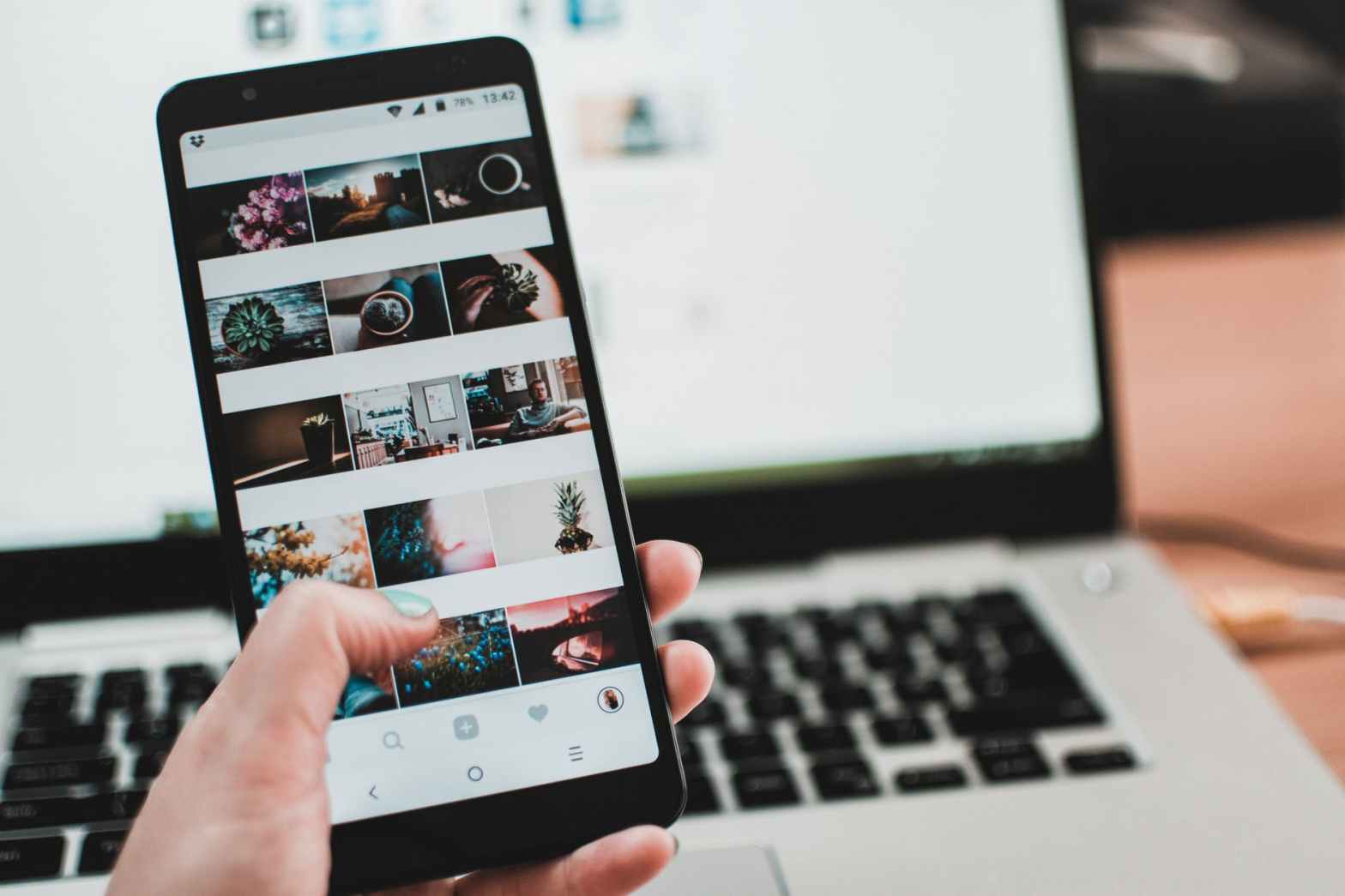
Without doing any research on the topic, I am sure there has been a multitude of tests and studies conducted to compare the effects of drugs on the human brain to that of social media on the human brain. It’s quite clear neither is truly healthy for anyone (you can decide which is worse), but what direct effect does social media and its use have on our mental health and overall psychological well-being?

In 2021, there were around 3 billion active monthly users of various social media, and that only continues to grow. It shows that if it is indeed a problem, it’s not going away anytime soon.

Comparing the problem to being one “as big as climate change”, Facebook whistleblower Frances Haugen leaked thousands of documents that showed Facebook knew the harm it could cause as a social media platform and did nothing about it. Money above all else. Always. Thanks, Zuckerberg.

THE SCIENCE

One study conducted shows that “companies use mechanisms in our brain to hook us on social media.” A typical social media platform’s initial goal is to ultimately “hook” us, which in turn gives them a serious form of complex control. There’s also significant proof to suggest that irresponsible social media practices can lead to anxiety, depression, sleep disruption, and anti-social behavior.

As mentioned before, I knew there were obvious ramifications to us humans by the irresponsible, overuse of social media – I just never knew what they were specifically. I would have never initially guessed the correlation between social media use and anxiety and depression. It makes perfect sense, though. Sometimes you just need to see things through a different lens before fully understanding the scope of the matter.

“Social media is basically a way to drugify human connection,” Anna Lembke, MD, said. “One of the ways our brain gets us to make those connections is [to] release dopamine. Things that are addictive release a lot more dopamine in the brain.”

According to Lembke, the more we trigger that intense pleasure response we get from social media, “the more we crave it.” It begins to take hold like a drug, to where you continually need more and more of it to reach one’s desired (or required) level or “high”, for lack of a better word. It’s like gambling because you always return when your odds are very low. It is a constant need for validation by way of the internet which can quickly get out of control.         

THE DANGERS

Other than the ones already mentioned, the dangers of the overuse of social media can range from emotional to mental to physical. One of the more significant aspects of the damage being done stems from sleep issues caused by social media use. The effects that sleep, or a lack thereof, can have on both mind and body are scary and dangerous.

Recent studies suggest people who frequently use social media feel more depressed. Social media can make one feel isolated and alone. One study of young adults in the U.S. found that “occasional users of social media are three times less likely to experience symptoms of depression than heavy users.” However, the loneliness created by the isolation can cause depression and anxiety in anyone.

Another danger posed is the damage caused by how it can boost one’s self-esteem. Yes, you read that right. It’s the way people seek out that self-esteem boost that is damaging. This is done by commenting on or posting something with the goal of receiving some sort of unhealthy positive feedback. The search for confirmation by means of feigned or exaggerated circumstances is unhealthy in and of itself. The repercussions of this style of self-gratification can be serious and can also lead to severe psychological problems.

Online bullying is another possible danger. This could take shape in the form of general bullying, by use of offensive or insulting language, or any number of other hurtful behaviors. When this behavior happens on a social media platform, it is widely viewed and even shared. This makes it nearly impossible to reduce the impact.

YOUTH IS TRAGEDY

These are just some of the things that can be negatively impacted by social media. So, why do users keep coming back?

“When the outcome is unpredictable, the behavior is more likely to repeat,” Jacqueline Sperling, PhD, said. “One does not know how many likes a picture will get, who will ‘like’ the picture, and when the picture will receive likes. The unknown outcome and the possibility of a desired outcome can keep users engaged with the sites.”

This is especially true with teenagers and young people. One of the reasons is the fear of missing out. Say, you’re not on social media but all your friends are. This can create a sense of being left out or of missing out on something others in your peer group get to experience. However, the younger you are when you start, the stronger the impact will be down the line.

Sterling also points out that a filter attached to the digital world can cause confusion amongst young people. It can blur the line between what’s real and what’s not.

“Middle school already is challenging for students with all of their developmental changes,” Sterling said. “As they go through puberty, they’re tasked with establishing their identity at a time when the frontal lobes in their brains are not fully developed, and there is a lack of impulse control. All of this happens while their relationships with peers become more important. It’s a very vulnerable population to have access to something where there is no stopgap before they post or press the send button. I think that’s something of which to be mindful.”

SUGGESTIONS FOR PROTECTING YOUR MENTAL HEALTH

Below are a few suggestions to maintain mental health while using social media:

  • Limit your time on social media platforms. Some platforms, such Apple and Google, have settings to help you do this automatically on your phone.
  • Consider what sites and profiles you visit; if they make you feel bad, unfollow them
  • Before you post something about yourself or someone else, consider if you would make this comment in an in-person setting
  • Remember that what you post will be very hard to take back or remove
  • Remember that what people post, or what you see, may not be honest or real presentations of their experiences or lives
  • Leave or unfollow a profile/page/site if it is making you feel worse
  • Report posts that are hurtful or making you worried
  • Tell an adult you trust – a parent, teacher, school counselor – immediately if a friend is posting content that worries you or suggests that they may be in a serious situation

As someone who uses certain social media platforms professionally, I know they can be very useful resources. I am not someone who uses social media for personal use very often; I have 170 friends on my personal Facebook – not because I’m antisocial, but because I only accept friend requests from people I actually know. This makes it easier to stay outside the boxes constructed when it comes to my usage of social media.

That being said, the dangers of social media to one’s mental health can be disastrous and long-lasting. However, we do live in a world where it’s hard to “unplug” because of the convenience of advanced technology. It’s everywhere. And the risk will always be there, too.

It’s not impossible to live a positive and balanced life on social media. However, it’s through discipline and insight that true personal awareness can be obtained, which is necessary.