Do You Believe in Magick?

“What is to give light must endure burning.”

– Viktor Frankl

I first heard the word “magick” while reading Damien Echols devastating memoir, Life After Death. Echols spent more than 18 years on death row for a crime he did not commit, and his personal journey and soul survival is more than awe inspiring.

You may think “magick” is only “magic” with a “k”. Echols, however, has drawn out the beauty of the word in a new way that warranted the “k” and then some, in fact.

“I have two definitions for the word ‘magick’”, Echols said. “The first is knowing that I can effect change through my own will, even behind these bars; and the other meaning is more experiential – seeing beauty for a moment in the midst of the mundane.”

Echols was able to find a way to not only maintain, but flourish during his 18 years on death row. If someone in those circumstances can manage that type of mentality, then why can’t I? Or you? Or anyone? One must free themselves from all social bondage and let go of all before being able to recognize that ability within.

I’m trying to work on that.

Echols also described “magick” as catching “beauty for a moment in the midst of the mundane.”

To catch a glimpse of beauty when and where it’s not expected is an example of what true “magick” is and can be.

This is to be short purposefully and act only as a reminder that “magick” is here and is real and it’s up for grabs. You just have to let go of all your restraints and step outside your boxes.

As Echols says, “Good things are always coming; sometimes we just forget it.”                                                                                                                                                                                                                         

a day in the life: snapshots & hand-me-downs

“The past beats inside me like a second heart.”

– John Banville

I recently had the luxury of finding an old notebook, one that had been used simply for creative purposes. It was about fifteen years old, but you couldn’t tell by its condition. However, the age of the notebook became more than evident after opening it up. To me, anyway.

Upon looking at the chicken scrawl that was my teen handwriting, and the pages and pages of pretentious writing that were also mine…I had a serious cringe moment. I don’t think of myself as a regular Hemingway, but my immaturity was on full display in those pages. It was also real clear that I had no real insight fifteen years ago. Just based on some of the passages I could stomach reading.

“…of the stiff, suspicious statues –

I stumbled along in agonizing anticipation

The voices were hollow and near

hiding in the plaguing darkness

I stopped –

and took in the sky…”

(2007)

There is absolutely no meaning to that. I had no idea what it meant then, and I still don’t. And I won’t try to pretend to spin it now.

The notebook is full of writing that makes me grimace. But its writing shows a side of me, one that I had yet to even define at that point.

It’s only one of many notebooks I could dig out and have the same feeling over (I have even at times thought about getting all the “old stuff” together in a chronological fashion of some sort, but life hasn’t allowed for that to happen). They’re the notebooks that are the basis for anything I am now.

They include song lyrics:

A worried man’s got his worried mind

And sees with two eyes that have gone blind

I been standing in the back just trying to get her name

When you’re that hard-up for a little fix

You ain’t clean, just a sober addict

You’re a million miles away, and everything’s changed

And poetry:

“I bought a brand-new mirror

and I hung it on the wall

I knelt before it every night

And prayed it wouldn’t fall…”

And then I stumbled upon this last little piece. It’s a poem that, at even twelve years old, I have found some merit in.

The Day I Left

the day I left,

in shackles and hand-me-downs,

the hardest thing –

that once remembered dream of

Passion,

I left the beach

I left, strangled and oblivious,

the curtain of hope decaying,

a penned elegy in my place

she was a sad-eyed mystery,

who was whatever I wanted,

sacred remnant

(left the beach for this?)

Instead of diamonds for sand and the sun for a father,

we have this –

Bombs for beachballs, tanks for cruise ships,

war for fun-in-the-sun

I see it all thru concave,

                  visions of mass deception,          

a summertime loss

this wavy clarity takes away

my security

the truth and enlightenment we need is found

in nuclear warfare,

and in our God,

bomb

Blessed,

I left in sleep

Cursed,

I left her

I push this way,

you pull the other

The day I left.

I found salvation

But not the kind I hoped to find

I found loneliness

I was blessed

on the day that I left

I guess if I had a point in today’s ramblings it would be to be careful what you hold onto and what you throw away. It may be old and it may be immature, but it also might contain the plotline for the next great American novel.

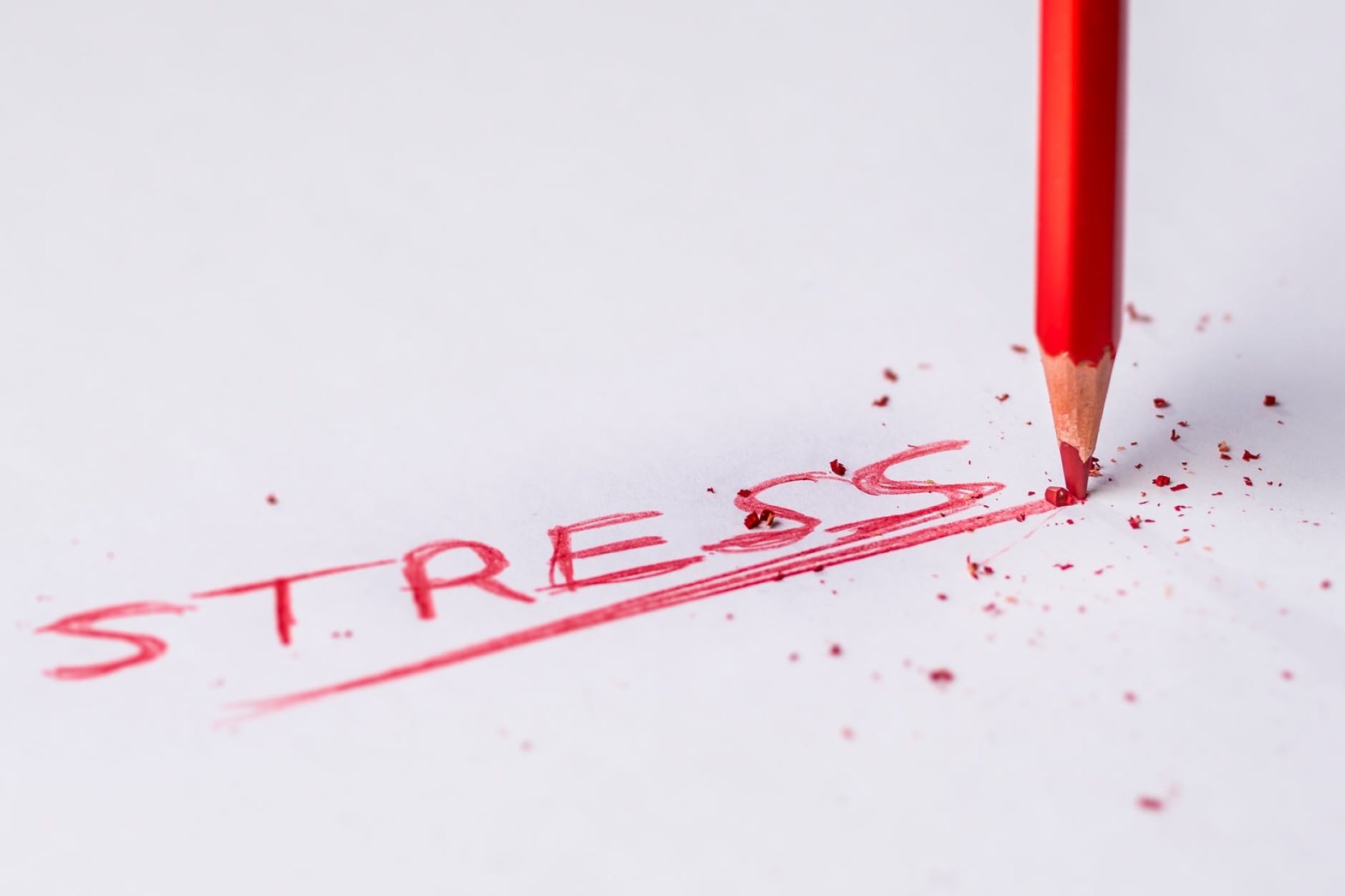
Stress as a Teacher

“Stress should be a powerful driving force, not an obstacle.”

– Bill Phillips

I accepted a long time ago that it’s easier to try and get something out of my stress than it is to try and find any alleviation from it. It’s gotten better over time, but I still find myself milking it just to get something out of it. Otherwise, I’m exhausted for no reason, and the madness takes another round.

We are always hearing about the dangers of stress. According to the Jed Foundation, “Stress is usually a reaction to something we have control over or different aspects of our lives that we could potentially manage better.”

According to past research, stress can negatively impact someone on nearly every level and then some. However, there is some research to suggest the opposite. A 2013 study found that stress may be beneficial and may help protect against damage linked to aging and disease.

This same research also led to the following shocking findings:

• Stress enhances motivation
• Stress can enhance childhood development
• Stress can build resilience and encourage growth
• Stress can promote bonding
• Stress is part of a meaningful life

Upsides to the downsides.

And I thought I was special.

This is all in short bursts, of course. Chronic stress can be a killer.

According to Summa Health, “stress helps you meet your daily challenges and motivates you to reach your goals, ultimately making you a smarter, happier and healthier person.”

According to another study, stress takes its toll and can be dangerous, but it can also “bring unexpected benefits, too, in the form of personal growth.”

One must learn to delineate the difference between good stress and bad stress, though. Good stress, like the mania associated with the madness, should be used when at all possible. None of this is your fault, so be selfish and walk through the fire.

Bad stress wears you out and is harmful to your health. Bad stress can lead to anxiety, poor concentration, and decreased performance.

Tips to avoid or reduce bad stress include:
• Eliminate stress where you can
• Accept there are events you can’t control
• Think positive thoughts
• Get support
• Add relaxation techniques to your everyday routine
• Stay healthy and fit
• Get a good night’s rest

Drawing from academic work and research, doctors and scientists developed a three-step approach to positively responding to stress

Three-Step Approach to Handling Stress

• Step One: See It
• Step Two: Own It
• Step Three: Use It

In hindsight, this seems clear as day, but bad stress is often the perpetrator and can be hard to shake off sometimes. That’s the stress that will get you. So, I find it easiest to compartmentalize and use a combination of concepts to manipulate stress before it does the same to me.

Steps to Take Before Good Stress Goes Bad

• Recognize worry for what it is
• Then, reframe the stress
• Focus on what you can control
• Create a network of support
• Get some stress-handling experience

To be able to reframe stress to one’s advantage is a very satisfying and gratifying feeling. It’s not something just anyone can do. Being able to focus on only the things that you can control is a gift in and of itself. And it never hurts to have a little stress-handling experience.

Principles to Remember
Do:
• Think of stress as an indicator that you care about something, rather than a cause for panic
• Focus on the task, rather than the emotion
• Build relationships so that you have people to turn to in times of stress
Don’t:
• Assume your stress is going to last forever
• Worry about things that are out of your control
• Spend time with people who are negative

I have used stress to my advantage many times and figure that that’s the way it will be for the rest of time. At least for the foreseeable future. I accept both this being the case and the challenge involved. It’s a game, and one some people have to get really good at.

Self-Care & Mental Health

man running on side of road

“What mental health needs is more sunlight, more candor, and more unashamed conversation.”

– Glenn Close

One of the most important things us mentally ill folks can do is practice consistent, and proper self-care. Self-care is an important approach to managing long-term health conditions, especially when it comes to one’s mental and emotional health. Plus, it’s just downright good for you.

But what exactly is self-care? It is something generally described as the process of taking care of oneself, promoting good health and the management of illness.

According to Harbor Light Hospice, self-care promotes a “healthy relationship with yourself to the benefit of your physical, mental, and emotional health”.

Not being able to take care of oneself makes it harder to take care of others. As a husband and a father to three boys, I don’t have the option of not being there for them.

That’s why practicing self-care is such an integral part of self-maintenance and self-preservation. It can improve both one’s overall health and well-being, and can also help manage stress, lower the risk of illness, and increase energy.

Here are some tips from NIMH to help you get started with self-care:

  • Get regular exercise. Just 30 minutes of walking every day can help boost your mood and improve your health.
  • Eat healthy, regular meals and stay hydrated. A balanced diet and plenty of water can improve your energy and focus throughout the day. Also, limit caffeinated beverages such as soft drinks or coffee.
  • Make sleep a priority. Stick to a schedule, and make sure you’re getting enough sleep.
  • Try a relaxing activity. Explore relaxation or wellness programs or apps, which may incorporate meditation, muscle relaxation, or breathing exercises.
  • Set goals and priorities. Decide what must get done now and what can wait. Learn to say “no” to new tasks if you start to feel like you’re taking on too much. Try to be mindful.
  • Practice gratitude. Remind yourself daily of things you are grateful for. Be specific.
  • Focus on positivity. Identify and challenge your negative and unhelpful thoughts.
  • Stay connected. Reach out to your friends or family members who can provide emotional support and practical help.

Self-care can even help support one’s treatment and recovery, if true recovery is even possible.

Sometimes, however, even self-care can seem like an impossible task to take on.

It is important to seek out medical help if you are experiencing severe or distressing symptoms, such as:

  • Difficulty sleeping
  • Appetite changes that result in unwanted weight changes
  • Struggling to get out of bed in the morning because of mood
  • Difficulty concentrating
  • Loss of interest in things you usually find enjoyable
  • Inability to perform usual daily functions and responsibilities

More Tips for Practicing Proper Self-Care

  • Take breaks to unwind through yoga, music, gardening, or new hobbies
  • Find new ways to safely connect with family and friends, get support, and share feelings
  • Take care of your body and get moving to lessen fatigue, anxiety, or sadness
  • Treat yourself to healthy foods and get enough sleep

Self-care has become a more popular, mainstream concept in recent years. According to Google Trends, the number of searches for “self-care” has more than doubled over the last five years.

Marni Amsellem, PhD, a licensed psychologist, describes self-care as “anything that you do for yourself that feels nourishing.”

“It can be something that’s relaxing or calming, or it can be something that is intellectual or spiritual or physical or practical or something you need to get done,” she said.

So, self-care can mean and be something different to everyone.

Self-care can also include things, such as:

  • Turning off the TV instead of watching another episode because the alarm is going off at 5am so you can get to the gym.
  • Declining the second drink at the office holiday party.
  • Saying “no” to the thing you don’t want to do even if someone is going to be angry at you.
  • Maintaining financial independence.
  • Doing work that matters.
  • Letting other people take care of themselves.

Bottom line: You have to take care of yourself. And in more than one way. We weren’t built to last. There are enough negative factors surrounding our illnesses as it is, so self-care is the least we can do to try and maintain some semblance of sanity and balance. There’s still going to be bad days, but we just have to try and push through. It’s all we can do.

And They’re Coming to Take Me Away Now: A Rant

opened door

“When you are mad, mad like this, you don’t know it. Reality is what you see. When what you see shifts, departing from anyone else’s reality, it’s still reality to you.”

– Marya Hornbacher, Madness: A Bipolar Life

As someone with bipolar disorder, I have a lot of experience in feeling awkward or out of place because of my condition, when said condition is known. It’s nothing new, and although it never “gets easier” you learn to go along with it. Sometimes you got to get ahead of the charade before you become the charade.

That being said, I think it’s a well-known fact that there are major flaws in the modern American healthcare system, especially on the mental healthcare side. In a world where you’re supposed to feel accepted and are taught to “treat everyone blah, blah, blah”……even in a world where I’m taught that I’m no different because of my illness, I STILL have had to jump through hoops, still have had to play the game to just get by. I have been extremely fortunate for the most part, I must say. One instance (that ironically ended up happening on several more occasions), however, was centered around a time I was in just enough control to try and take the reins before something really bad happened.

I was about as manic as one can get without being totally “gone” yet was aware and knew I was going to end up in jail or worse at the rate I was going. It was a type of mania where the amount of clarity provided was too much; I was on the brink, and I knew it. It was like a bad trip, but without the total loss of one’s basic faculties. I was more aware of what was going on than I ever had been, and that was not necessarily a good thing.

So, before things got any worse, I called my psych doctor. I pleaded with her to get me into the short-term facility at the hospital where most of my medical treatment was based out of. She agreed that I was going to end up in jail at the rate of things, and would end up being involuntarily committed. So, this was my dilemma: I needed to become legally adjudicated to “need” a stay in a short-term facility. So, that meant I needed to engage in odd and/or criminal behavior – which was exactly what I was trying to avoid – just to get me a bed at the Mulberry Center.

It was then explained to me that hospitalizations of this repute were generally geared towards the “depressed” and those on that end of the spectrum. I was then told that if I wanted a bed, I knew what I had to do.

Yes. Yes, I guess I did, but I didn’t think that it would come to that. In the end, I was given the ultimatum of entry by being a “threat” to myself based on the level of my “depression”. That or go on my merry way.

So, out of fear for myself and those closest to me, I feigned having “suicidal ideations” due to “depression” – the only way I could get the help I needed (or at least to get away from the general public).

I came out seven days later (this particular go-around, that is) with a stack of color sheets and lists of coping skills and positive affirmations. I was no longer dangerously manic, but only because of yet another med change.

This is just one instance where bipolar disorder has made me feel like an outsider (even in a clinical setting where I was supposed to be receiving treatment, I was an outsider). The whole of it is just a microcosm of a bigger issue. Just another crack in the healthcare system that I, as a member of the “bipolar community”, so depend on.

The End of the Whole Mess

photo of paint splatter artwork
[RANDOM IMAGE]

[INSERT QUOTE HERE]

– [INSERT SOURCE HERE]

If it hadn’t happened to me and if it wasn’t true, it might almost be comical. Last time I was here blogging I was describing the tranquility needed at the end of a trip of any sort. If you remember, my family and I extended our little getaway an extra day to be used only to recharge and recuperate. Which I guess in theory sounded great. It really did. That was right up until the next morning before we checked out of our hotel room.

I woke up first, showered, and packed up what I could before waking up my wife and son. My son woke up without issue, but not my wife. She seemed more groggy than usual (and that is truly saying something) and when she sat up it was clear why: her right eye was bloodshot and swollen beyond belief.

It didn’t take a genius to realize this was a case of pink eye and that we wouldn’t be going anywhere anytime soon (I do not have a driver’s license and driving was not worth the risk as far away from home as we were). My wife, however, wanted to brave it and attempt the drive. We made it one hour before having to stop for the day once again (this time in search of a different type of recuperation) to not only be safe but survive.

The next morning was not any better. Or should I say my wife was not any better after another night of rest. Her eye was just as red as the morning before, if not more so. But we had no choice but to press on and attempt again; real life was waiting impatiently for us back home. So, we went on.

The first part of the drive was a little sketchy, but it didn’t take long for it to become full-on terrifying. We got as far as we could before I had no choice but to drive. Running on a mixture of emotions, I managed, and we finally made some headway. Once my wife was feeling “better”, we swapped back and safely made it home.

So, yes, we made it back to reality, and with a bang, too. I’m not altogether sure why I’m even writing about this; not only would I like to forget about the excursion, on the whole, it just sounds silly. It’s one of those things that is perhaps funny when it happens to somebody else, but not you. Maybe? Maybe it’s not funny at all. In any situation.

I’m spending just a brief, quick moment here, I guess in some silly way, to document this as proof that we’re really home. It’s a good feeling. In the end, the whole trip was great and ultimately worth it. All of it. More memories made, more stories to be told. All that jazz. I’m glad we’re safe. I do plan on taking some time to mentally unpack, though. Sometimes staying safe can be harder than it looks.

Another Pause: The Little Things

white ceramic teacup with saucer near two books above gray floral textile

“Resting and relaxing is as important as going out there and making it happen.”

– Hiral Nagda

So, we decided to stay another night just to have a full evening of recovery and relaxation (reading for me) before we make the seven-hour plus drive home. We’ve had a full day of family fun and it seemed like a no-brainer to take a night to unwind before we headed home; no need in going home so worn out that the trip becomes something we want to forget. Also, we all seemed to be excited at the idea of just getting to sit around and read or write or color.

Tomorrow, we return to reality (my wife has to work, and we both have two other children to return to). Not some futuristic definition of reality, just back to our everyday routine. There is nothing wrong with that; reality is, I assume, preferable to the alternative.

This post isn’t going to be too long, so I won’t take much, if any, of your time (assuming you’re even reading this). We’ve all enjoyed this little trip but are also excited about a night of nothing. Even though we’re doing things we can do just as easily at home doesn’t mean we always get to. Life can always get in the way of you being able to finish the last chapter of that book you’ve been reading for two months.

So, I guess my point (other than providing another unnecessary update) is to appreciate the simple things. Real original, right? But seriously, no vacation in the world can make up for the little things that are always right in front of us.

Meditation: Could it Work for Me?

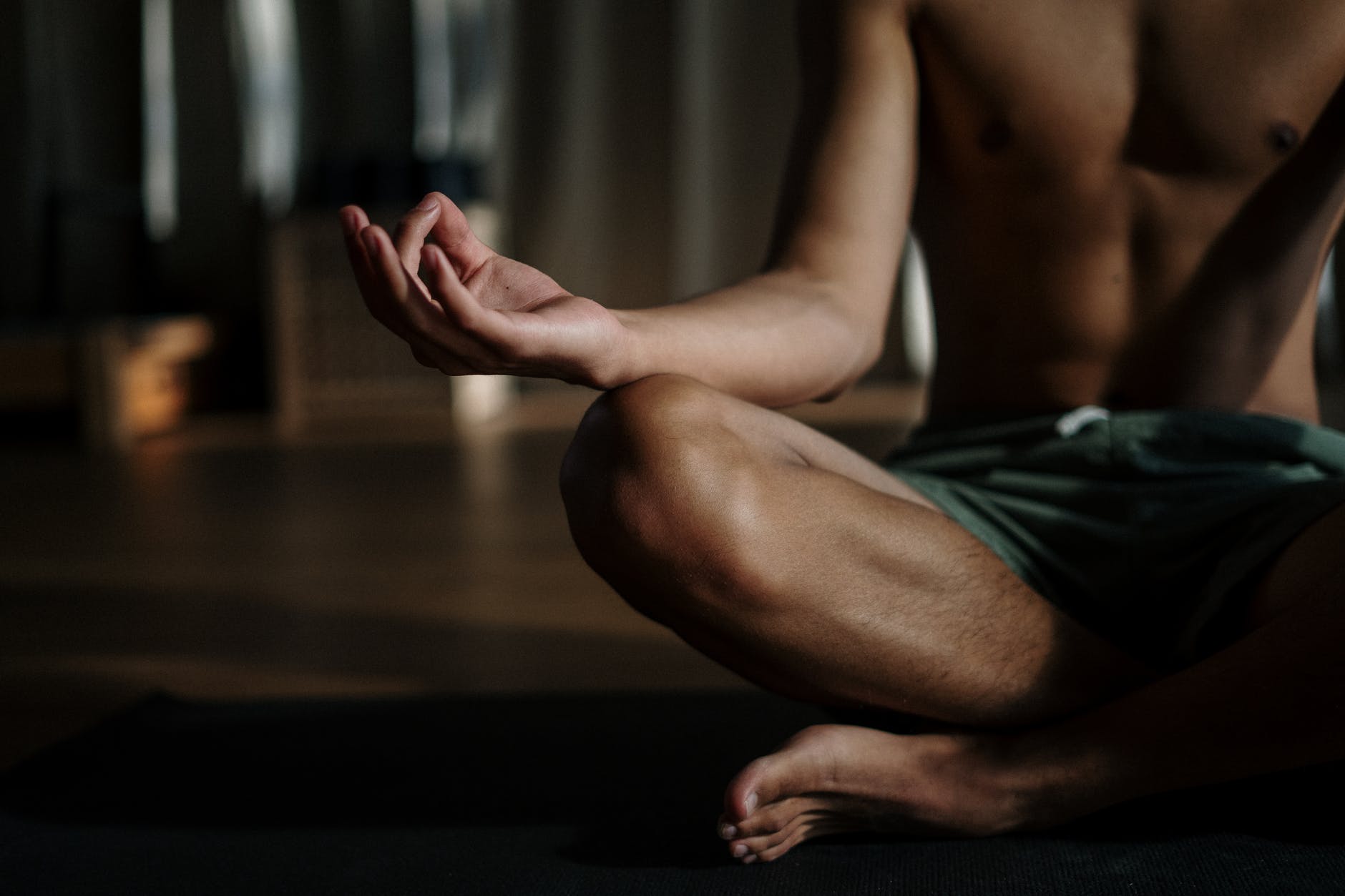
man in black shorts sitting on floor

“You’re distracted and stressed because you’re not mindful. But the statement should be in reverse – you’re not mindful because you’re distracted and stressed.”

– Unknown

I’ve never had much luck with using or finding any coping skills that work. To me, they’ve always been akin to bullet points on a piece of paper given out at AA meetings or therapy sessions. They just have never been helpful to me and so I keep my distance.

Though I’ve never found any of the generic “coping skills” to work for me, I have noticed that meditation seems to be on every list.

Just another bullet point: mediation.

For all intents and purposes, to meditate, according to Oxford Dictionaries, is to “think deeply or focus one’s mind for a period of time, in silence or with the aid of chanting, for religious or spiritual purposes or as a method of relaxation”. Well, I’m here to tell ya that I’m just not hardwired for something like that, although there is a known direct connection between meditation and bipolar disorder.

Meditation is known to provide a sense of calm, peace, and balance. It can also help carry you more calmly through your day and may help you manage symptoms of certain medical conditions.

There are many different kinds of meditation, usually all focusing on areas such as posture, breathing, attention, and relaxation

To me, meditation actually seems…daunting. Like a task or something you really dread but have no choice in doing – except you do. I just don’t know that I have the capacity to slow my brain down enough to even an begin to try to meditate.

However, more than 60% of the top health problems for which people use meditation are stress, anxiety, and depression.

It only takes a little research (and some common sense) to discover and understand the benefits of meditation.

Some of these benefits include:

  • Gaining a new perspective on stressful situations
  • Building skills to manage your stress
  • Increasing self-awareness
  • Focusing on the present
  • Reducing negative emotions
  • Increasing imagination and creativity
  • Increasing patience and tolerance

That sounds good and all but, come on. Give me a break.

I must stress to everyone reading this that I am in no way dogging or downplaying meditation as a coping strategy, ideology, or practice if it works for you. I’m not saying it doesn’t work for people. Not at all. It just hasn’t worked for me.

It’s true, though, that meditation isn’t for everyone. There is some research that found that more than a quarter of those who regularly meditate have had a “particularly unpleasant” psychological experience while doing so, including feelings of fear and distorted emotions.

The study found that psychologically unpleasant experiences can occur during meditation. Even some traditional Buddhist texts allude to intense accounts of similar experiences.

A similar study found meditation can sometimes make people more neurotic, depressed, anxious, and can even trigger unresolved trauma.

For those who can’t properly meditate (myself included), there are a variety of reasons why including:

  • Racing mind
  • No consistency
  • Wandering minds
  • Keep falling asleep
  • Body aches and pains
  • Boredom
  • Having great ideas or thinking of important things
  • Trouble finding time
  • Expectations set too high
  • Hope of immediate results

There are, however, different methods for those who traditional meditation doesn’t work. Experimenting with personal variations, practicing in a different or a group setting, and keeping your mediations short are just a few of these ways.

Maybe I’m jealous to some extent because it sounds like an awesome concept, at least in theory; it may be difficult and frustrating in ways I haven’t even considered. In the end, you have to go with what works for you. You have to go with your gut.

For me, it’s not something I find any relief in but have not given up on. I’d like to be able to meditate; out of all the coping skills I know of meditation is the most appealing and seemingly reasonable to me. Maybe I’m just fascinated by the idea of it. I hope to one day be able to put the idea into practice and benefit from it. The science is there. Now I just got to catch up.

A Pause for the Cause

green trees near mountain

“In America, there are two classes of travel: first-class and with children.”

– Robert Benchley

Just checking in.

We’re on day three of what has turned out to be a nice little vacation. My wife, son, and I are in the hills of Tennessee in a nice little cabin with all the “essentials” needed to survive out here with a 5-year-old boy and yes, that means free Wi-Fi, too (it’s inescapable these days, though I do find it amazing how it’s possible to even have electricity and running water in such an isolated area – let alone free Wi-Fi).

We’ve done very little as far as “touristy” things go, to be honest, but that’s been just fine with me. I come down here enough to know that this is the part of the trip that matters. My son has been fascinated by just us staying in a place that’s not a hotel. I’ve also been able to work and mess around on a few things while here, and my wife has her endless supply of “things to do” with her, too.

So, it truly has been a getaway. 75% of what we’ve done on this trip could’ve very well been done at home, so I’m glad this hasn’t been a vacation with a lot of bells and whistles (my wife hasn’t demanded as near as many as pictures as I would’ve expected). It’s been nice to just have a change of scenery and to be able to live on a slower (though not by much) plane of existence, if only for such a short amount of time.

Yes, we will be leaving and going home tomorrow. The end of a trip, especially a good trip, is always heartbreaking. Rolling back into town can be utterly depressing. But that’s how it goes. In the meantime, I’m going to enjoy the afternoon at the arcade with my wife and son before a nice dinner and night back here at the cabin.

OPINION: Mental Health & the Divine? (Just a Pitch)

A look into Mental Health & Spirituality

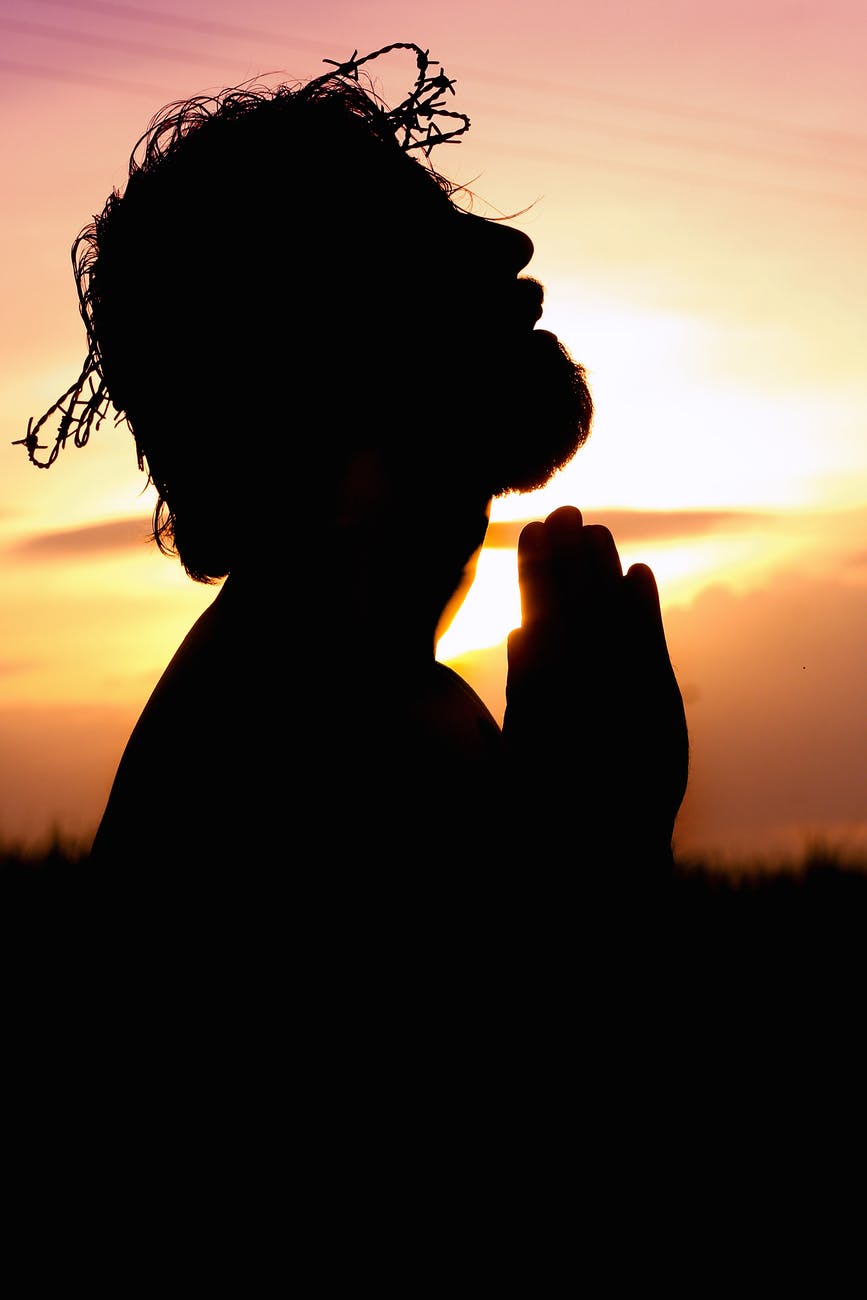
silhouette image of person praying

“Just because you don’t understand it doesn’t mean it isn’t so.”

– Lemony Snicket

A newly released study is tying people’s religious uncertainty and lack of faith in the divine to poor mental and psychological well-being.

This study, entitled Attachment to God and Psychological Distress: Evidence of a Curvilinear Relationship, was conducted by Matthew Henderson and Blake Kent. The conclusion came about based on a national survey’s worth of data from the 2010 Baylor Religion Survey.

Henderson, an assistant professor at Union University, spoke out about his perception of the end results of the study.

“A lot of research has been able to demonstrate that religious practices, like prayer and religious service attendance, can have positive effects on mental and physical health,” he said.

According to Henderson and Kent, the study confirms that people with a strong connection to God will have a significantly better psychological well-being.

Kent, an assistant professor at Westmont College, said the amount of literature tying both religion and health together is immense and is only growing.

“Attachment to God has emerged as one of the most significant, powerful influences of mental health and oftentimes more important than actual religious attendance,” he said.

It’s an interesting case to make, but one that makes sense.

Kind of.

Having just the minimal knowledge I have of the study and its findings doesn’t take away from the strength of the research. I don’t think it’s too far out of left field to see a correlation between the two. Having pure blind faith in something may seem silly to some but can offer many a sense of purpose and discipline that may have a very powerful effect on their mental and psychological well-being.

People turn to religion for all sorts of different reasons, but the reason ultimately doesn’t matter and has no negative bearing on a person’s choices. In fact, it has quite the opposite effect. So, it makes sense that having a strong faith in God (ANY God or entity) could impact both one’s spiritual and psychological happiness.

I remember asking my grandma when I was a kid what would happen if she were a “true” Christian and had been praying to the wrong God this whole time. What would happen then? Would she be damned? But her response sort of summed up, in a similar regard at least, this study’s conclusions. She told me that even on the off-chance I was right with my concern that “living by the Lord and his positive message” is still the best way to live one’s life. I thought of her and that specific instance when going through some of the research that went into this study. The positivity that can surround one’s faith and belief systems can be infectious and inspiring. So, to me it makes perfect sense that there may be a scientific connection between one’s faith and mental health.

I, however, would like to point out that I do not believe it has to necessarily be a Christian God. I think any higher power will do. So, knock yourselves out, guys.

The study does have legs and can stand on its own. So much so that two social work professors at Baylor University have received a $843,647 grant from the University of South Alabama to study faculty views regarding training students to address a patient’s spirituality in mental health treatment.

Dr. Holly Oxhandler and Dr. Clay Polson are researching this as part of four sub-projects of the university’s Spiritual and Religious Competencies Project, which aims to provide mental health professionals with the basic abilities to focus on religious and spiritual qualities in their patients’ lives.

“What we see in the research is that when clients’ religion or spirituality is ethically and effectively integrated into mental health treatment – meaning the mental health care provider assessing for this area of their lives and asking them how it relates to their mental health care or circumstances or situations, how they’re leaning on it to cope or maybe ways in which it’s been a source of pain for them in the past,” Oxhandler said.

If an uncertainty in God/Gods or a shakiness in one’s faith can have such a negative impact on one’s psychological well-being, why hasn’t someone made the connection before now? Oxhandler and Polson both feel the role of religion in one’s mental health treatment hasn’t always been addressed due to the lack of research surrounding the topic.

“Without this level of funding, I think even envisioning a project this comprehensive would be challenging,” Polson said. “This makes it possible for us to do such a large project, looking at all the disciplines.”

Both professors say the final goal of the project is to be able to help mental health professionals realize the need to integrate religion and spirituality with mental health treatment.

“We want awareness, but ultimately, the goal is to see more comfort, to see practitioners using their skills and knowledge to do this better,” Polson said.

Being aware of the power of one’s faith and beliefs may have a bigger impact on your health than you could have ever imagined. The results aren’t completely in, but they look good. Mostly. If the effects of the uncertainty of a higher power have proven to be negative and damaging to one’s mental state, it makes perfect sense. Blind faith can lay the bedrock down for a clearer and more constructive personal core. In fact, a strong faith in a higher power may very well be your best bet when trying to maintain a stable and positive psychological well-being.

Happy Birthday, Jack!

empty highway overlooking mountain under dark skies

“The road must eventually lead to the whole world.”

– Jack Kerouac

A week ago today would’ve been Jack Kerouac’s, father of the Beat generation, 100th birthday and I’m surprised I haven’t addressed it yet.

When I was 14 (as cliché as this is going to sound), I read a series of books that either opened up doors for me or that I just liked. And again (as cliché as it sounds), On the Road was one of them. Of course, it was a book that changed the playing field, but for me, it was the introduction to a bigger world. Some of Kerouac’s other books such as Desolation Angels and Tristessa, blew me away just as much, if not more, than On the Road.

However, many of your cultural icons, such as Bob Dylan and Jim Morrison, credit On the Road as being a major influence on them and their work. I credit that book as being a door-opener to a wave of other writers, musicians, etc. More than that, I have to credit the man himself, not only because of the way he wrote but because of the way he lived.

No one ever again will ever truly have those types of experiences, life on the road, getting by just by getting by. No one again will ever have a lifestyle of that type. And not just because of the obvious reasons.

If you don’t know what happened to Kerouac, he ultimately drank himself to death. Another tragic, typical story of an artist who crashed or burned out. There’s no way he would’ve made it to 100. And not just for the obvious reasons.

There’s no way you would’ve made it to 100, Jack. That’s no matter. Happy birthday. Your mark on the world will be felt for eternity,